Eco-Friendly Toilet Seats: Sustainable Materials, Certifications & Green Choices
Eco-Friendly Toilet Seats: Sustainable Materials, Certifications & Green Choices
Navigating the world of eco-friendly toilet seats means understanding sustainable materials, crucial certifications, and manufacturing processes that prioritize environmental responsibility. This comprehensive guide delves into how consumers and businesses can make greener choices, highlighting the innovations and commitments of industry leaders like Jell Group.
Product Models
Countries
Years Experience
Why Sustainability Matters in Bathroom Products
The bathroom, often overlooked in sustainability discussions, represents a significant area for environmental improvement. From water consumption to the materials used in fixtures and accessories, every choice has an impact. When it comes to toilet seats, the shift towards eco-friendly options is driven by a growing awareness of resource depletion, pollution, and climate change. Traditional toilet seats, particularly those made from virgin plastics or unsustainably sourced wood, contribute to these problems throughout their lifecycle – from raw material extraction and manufacturing to end-of-life disposal. Choosing an eco-friendly toilet seat means opting for products that minimize environmental harm, conserve natural resources, and often contribute to healthier indoor air quality.
The manufacturing industry, including the sanitary ware sector, faces increasing pressure from regulators, consumers, and investors to adopt more sustainable practices. This pressure isn't just about compliance; it's about competitive advantage and long-term viability. Companies like Jell Group, a leading toilet seat manufacturer since 2009, recognize this imperative. Their commitment to producing sustainable toilet seats is not merely a trend, but a fundamental shift in their operational philosophy. By integrating sustainable materials and processes, manufacturers can reduce their ecological footprint, enhance brand reputation, and meet the evolving demands of a conscious market. The lifecycle assessment of a toilet seat reveals numerous touchpoints where sustainability can be improved: material sourcing, energy efficiency in production, waste reduction, product durability, and recyclability. Ignoring these aspects means contributing to a linear 'take-make-dispose' economy, which is no longer viable in a world facing finite resources and escalating environmental crises.
"Sustainability in bathroom products isn't just about 'greenwashing'; it's about a fundamental re-evaluation of how we design, produce, and consume. Every component, down to the toilet seat, offers an opportunity for innovation that benefits both the planet and the user." - Environmental Design Expert
Furthermore, the health implications of non-sustainable products cannot be ignored. Many conventional materials and finishes contain volatile organic compounds (VOCs) and other harmful chemicals that can off-gas into indoor environments, affecting air quality and human health. An eco-friendly toilet seat, by contrast, often prioritizes low-VOC or non-toxic alternatives, contributing to a safer home or commercial space. This holistic view of sustainability – encompassing environmental impact, resource management, and human well-being – underscores its critical importance in every product category, especially those we interact with daily. The market for sustainable toilet seats is expanding rapidly, driven by consumers who are increasingly informed and empowered to make choices that align with their values. A recent study showed that 60% of consumers are willing to pay more for sustainable products. This growing demand creates a powerful incentive for manufacturers to innovate and certify their green offerings. Learn more about Jell Group's commitment to quality and sustainability on our quality page.
Eco-Friendly Toilet Seat Materials Comparison
The foundation of an eco-friendly toilet seat lies in its materials. While traditional options often rely on virgin plastics or conventional wood, a new generation of sustainable materials is emerging, each with distinct environmental benefits and performance characteristics. Understanding these alternatives is crucial for making informed purchasing decisions. The primary materials for eco-friendly toilet seats include FSC-certified MDF, recycled plastics (like PP and UF), and innovative bio-based composites. Each material offers a unique balance of durability, aesthetics, and environmental impact.
FSC-Certified MDF: This material is a standout for its responsible sourcing. MDF (Medium-Density Fibreboard) itself is made from wood fibers, but when certified by the Forest Stewardship Council (FSC), it guarantees that the wood comes from responsibly managed forests. This means forests are managed to preserve biodiversity, benefit local communities, and sustain their ecological vitality. FSC-certified MDF offers excellent durability, a smooth finish, and a premium feel, making it a popular choice for high-quality eco-friendly toilet seats. Its primary environmental advantage is the assurance of sustainable forestry practices, preventing deforestation and promoting forest health.
Recycled Plastics (PP, UF): Polypropylene (PP) and Urea-Formaldehyde (UF) are common materials for toilet seats. The eco-friendly aspect comes into play when these materials are sourced from recycled content. Recycled PP can be molded into durable and lightweight seats, reducing the demand for new petroleum-based plastics and diverting waste from landfills. Recycled UF offers similar benefits, known for its ceramic-like feel and scratch resistance. The challenge with recycled plastics often lies in maintaining consistent quality and color, but advancements in recycling technologies are overcoming these hurdles. Jell Group utilizes both UF and PP in their extensive product range, continuously exploring ways to integrate higher percentages of recycled content without compromising on performance or aesthetics.
Bio-based Composites: While less common in mass-market toilet seats currently, bio-based composites represent an exciting frontier. These materials often combine plant fibers (e.g., bamboo, wood flour, flax) with bio-resins, reducing reliance on fossil fuels. They are typically biodegradable or compostable at the end of their life, offering a truly circular solution. However, their cost and manufacturing complexity can be higher, and their long-term durability in a bathroom environment is still an area of ongoing research and development. As technology advances, we can expect to see more of these innovative materials enter the market.
Here's a comparison of common eco-friendly toilet seat materials:
| Material | Key Environmental Benefit | Durability | Aesthetics | Cost (Relative) |
|---|---|---|---|---|
| FSC-Certified MDF | Responsible forestry, renewable resource | High, resistant to warping | Premium, smooth, paintable | Medium to High |
| Recycled PP | Waste diversion, reduced virgin plastic use | Good, lightweight, flexible | Modern, various colors | Low to Medium |
| Recycled UF | Waste diversion, reduced virgin resin use | Very High, scratch-resistant, ceramic-like | Premium, glossy, heavy feel | Medium to High |
| Bio-based Composites | Renewable, potentially biodegradable | Varies, improving | Natural, unique textures | High |
The choice of material significantly influences the overall environmental profile of the toilet seat. Manufacturers like Jell Group are constantly innovating to incorporate more sustainable options, ensuring that their 1100+ models cater to both environmental responsibility and diverse customer needs. Their expertise in OEM/ODM allows for full customization, enabling partners to specify their preferred eco-friendly materials from a minimum order quantity (MOQ) of 500 pieces. For more details on material options, contact [email protected].
FSC-Certified MDF: Responsible Wood Sourcing
When discussing sustainable toilet seats, FSC-certified MDF stands out as a prime example of responsible wood sourcing. The Forest Stewardship Council (FSC) is an international non-profit organization that promotes responsible management of the world's forests. Their certification system ensures that products originating from forests are managed in an environmentally appropriate, socially beneficial, and economically viable manner. For MDF toilet seats, this means that the wood fibers used are traceable back to forests that meet strict FSC standards.
The implications of using FSC-certified MDF are profound. Firstly, it combats illegal logging and deforestation, which are major contributors to climate change and biodiversity loss. By choosing FSC-certified products, manufacturers and consumers support forestry operations that respect ecosystems, protect wildlife habitats, and maintain forest health for future generations. Secondly, FSC certification often includes social criteria, ensuring that forest workers are treated fairly and that indigenous communities' rights are respected. This holistic approach makes FSC a gold standard in sustainable forestry.
"FSC certification is more than just a label; it's a commitment to a sustainable supply chain from the forest floor to the finished product. For manufacturers, it's a clear differentiator in a market increasingly demanding transparency and responsibility." - Supply Chain Sustainability Analyst
For Jell Group, a leading manufacturer of MDF toilet seats, obtaining and maintaining FSC certification is a cornerstone of their sustainability strategy. This certification, alongside others like CARB (California Air Resources Board) for formaldehyde emissions, ensures that their MDF products are not only environmentally responsible in their sourcing but also safe for indoor use. The process of becoming FSC certified involves rigorous audits of forest management practices and the chain of custody – tracing the wood from the forest through all stages of processing, manufacturing, and distribution. This transparency provides assurance to B2B clients and end-consumers alike that they are investing in a truly sustainable product.
Key benefits of FSC-certified MDF for toilet seats:
- Environmental Protection: Ensures forests are managed to preserve biodiversity and ecological processes.
- Social Benefits: Protects the rights of workers and indigenous communities.
- Economic Viability: Supports responsible forest-based economies.
- Traceability: Provides a transparent chain of custody from forest to consumer.
- Market Recognition: A widely recognized and trusted symbol of sustainable sourcing.
Jell Group's extensive range of MDF toilet seats, available in over 1100 models, leverages this commitment to responsible sourcing. Their ability to provide FSC-certified toilet seats is a significant advantage for partners looking to meet increasingly stringent environmental procurement policies and consumer demand for ethical products. The German and Polish warehouses further facilitate the distribution of these responsibly sourced products across Europe, reducing transport distances and associated emissions. The global demand for FSC-certified products has grown by 300% in the last decade, reflecting a major market shift. By offering FSC-certified options, Jell Group not only contributes to global forest conservation but also empowers its OEM/ODM partners to build greener product lines. For inquiries about FSC-certified options, please visit our contact page.
Recycled and Recyclable Materials in Toilet Seats
Beyond sustainably sourced virgin materials, the integration of recycled and recyclable components is a critical pillar of eco-friendly toilet seat manufacturing. The circular economy model, which aims to keep resources in use for as long as possible, is directly addressed by utilizing recycled plastics and designing products for future recyclability. This approach significantly reduces waste, conserves natural resources, and lowers the energy consumption associated with producing new materials from scratch.
Recycled Plastics (PP, UF): As mentioned previously, Polypropylene (PP) and Urea-Formaldehyde (UF) are widely used in toilet seat manufacturing. The environmental benefit is amplified when these materials incorporate post-consumer or post-industrial recycled content. For instance, recycled PP can come from discarded packaging, automotive parts, or other consumer goods, giving these materials a second life. Similarly, recycled UF can be derived from manufacturing scraps or end-of-life products where suitable recycling streams exist. The challenge often lies in maintaining the aesthetic quality and structural integrity of the final product when using recycled content, but advanced sorting and processing technologies are making this increasingly feasible. Jell Group is at the forefront of exploring and implementing higher percentages of recycled content in their PP and UF toilet seat lines, ensuring that durability and finish quality remain uncompromised.
"Designing for recyclability and incorporating recycled content are non-negotiable for true product sustainability. It's about closing the loop and transforming waste into valuable resources." - Circular Economy Advocate
Designing for Recyclability: A truly eco-friendly toilet seat isn't just made from recycled materials; it's also designed to be easily recycled at the end of its useful life. This involves several considerations:
- Material Homogeneity: Using fewer different types of plastic or making components easily separable.
- Clear Labeling: Marking plastic parts with their resin identification code (e.g., PP, UF) to facilitate proper sorting.
- Disassembly: Designing the seat so that different material components (e.g., plastic seat, metal hinges) can be easily separated for individual recycling streams.
- Avoidance of Contaminants: Limiting the use of glues, paints, or additives that could hinder the recycling process.
Jell Group's commitment to sustainability extends to designing products with end-of-life considerations in mind. Their engineering teams work to optimize material selection and product architecture to enhance recyclability. This forward-thinking approach ensures that their products contribute positively to the circular economy, aligning with global efforts to reduce landfill waste. The use of recycled plastics can reduce energy consumption by up to 80% compared to virgin plastic production.
For businesses seeking OEM/ODM solutions, Jell Group offers the flexibility to specify recycled content percentages and design features that enhance recyclability. This allows partners to create unique sustainable toilet seat lines that resonate with environmentally conscious consumers. With a minimum order quantity of 500 pieces, even smaller brands can access high-quality, recycled material options. The ability to source these products from Jell Group's EU warehouses in Germany and Poland further streamlines the supply chain and reduces the environmental impact of transportation. For more information on Jell Group's material innovations, please visit our About Us page or contact us directly.
Low-VOC Finishes and Non-Toxic Coatings
The sustainability of a toilet seat extends beyond its core material to the finishes and coatings applied. Volatile Organic Compounds (VOCs) are chemicals emitted as gases from certain solids or liquids, many of which can have short- and long-term adverse health effects. Traditional paints, lacquers, and adhesives often contain high levels of VOCs, which can off-gas into indoor environments for months or even years after application. For an eco-friendly toilet seat, prioritizing low-VOC finishes and non-toxic coatings is paramount for both environmental protection and human health.
Low-VOC finishes significantly reduce the release of harmful chemicals into the atmosphere during manufacturing and into homes during use. This contributes to improved indoor air quality, which is especially important in enclosed spaces like bathrooms. Poor indoor air quality can exacerbate respiratory issues, allergies, and other health problems. By choosing products with low-VOC or zero-VOC finishes, manufacturers demonstrate a commitment to creating healthier living and working environments.
"The air we breathe indoors is often more polluted than outdoor air. Opting for low-VOC products, even for something as simple as a toilet seat, is a crucial step towards a healthier home environment." - Indoor Air Quality Specialist
Jell Group, with its extensive experience in manufacturing MDF, UF, and PP toilet seats, places a strong emphasis on using finishes and coatings that meet stringent environmental and health standards. Their MDF seats, for example, often feature durable, water-resistant coatings that are specifically chosen for their low-VOC content. This commitment is often reflected in certifications like CARB (California Air Resources Board), which regulates formaldehyde emissions from composite wood products, ensuring that Jell Group's products comply with some of the strictest air quality standards globally. This not only makes their products safer for consumers but also creates a healthier working environment for their employees.
Benefits of Low-VOC and Non-Toxic Coatings:
- Improved Indoor Air Quality: Reduces the release of harmful chemicals into homes and workplaces.
- Reduced Health Risks: Minimizes exposure to irritants and toxins that can affect respiratory and overall health.
- Environmental Protection: Lessens atmospheric pollution during manufacturing and product lifecycle.
- Compliance with Regulations: Helps meet strict environmental and health standards, such as those in the EU and California.
- Enhanced Brand Reputation: Demonstrates a commitment to consumer well-being and environmental responsibility.
When selecting an eco-friendly toilet seat, inquiring about the VOC content of its finishes and coatings is just as important as understanding its core material. Manufacturers who are transparent about these details, like Jell Group, provide an added layer of assurance. Their OEM/ODM services allow partners to specify finishes that align with their own sustainability goals and market requirements, ensuring that every aspect of the toilet seat, from its material to its final coating, meets high environmental standards. Studies show that indoor air pollution can be 2-5 times higher than outdoor air pollution, making low-VOC choices vital. Jell Group's dedication to these details underscores their position as a leading manufacturer focused on comprehensive sustainability. For more information on their commitment to quality and safety, please visit our quality page.
Environmental Certifications: FSC, PEFC, EU Ecolabel
In the complex landscape of sustainability, environmental certifications serve as crucial benchmarks, providing verifiable proof of a product's eco-friendly claims. For eco-friendly toilet seats, these certifications offer transparency and assurance to both B2B buyers and end-consumers, cutting through potential 'greenwashing' and ensuring genuine environmental responsibility. Key certifications to look for include FSC, PEFC, and the EU Ecolabel.
FSC (Forest Stewardship Council): As discussed, FSC certification is vital for wood-based products like MDF toilet seats. It guarantees that the wood fibers originate from responsibly managed forests, promoting ecological integrity, social equity, and economic viability. Jell Group's FSC certification for its MDF products signifies its commitment to sustainable forestry practices, ensuring that their MDF toilet seats contribute to global forest conservation. This certification is globally recognized and highly respected.
PEFC (Programme for the Endorsement of Forest Certification): Similar to FSC, PEFC is another leading global alliance of national forest certification systems. It promotes sustainable forest management through independent third-party certification. While FSC focuses on a specific set of principles, PEFC endorses national certification systems, making it widely applicable across different regions. Many companies choose to pursue either FSC or PEFC, or sometimes both, depending on their supply chain and market reach. Both certifications aim to ensure that wood and paper products come from sustainably managed sources.
EU Ecolabel: The EU Ecolabel is a voluntary scheme established by the European Commission to promote products and services with reduced environmental impact throughout their life cycle. It is a comprehensive, multi-criteria label, meaning it considers the environmental performance of a product from raw material extraction, through manufacturing, use, and disposal. For bathroom products, the EU Ecolabel sets stringent criteria for aspects like water consumption, energy efficiency, hazardous substances, and waste generation. Achieving the EU Ecolabel for a toilet seat would signify a holistic commitment to environmental excellence across various stages of its lifecycle. This makes it a powerful indicator for consumers and businesses within the European market.
| Certification | Focus Area | Key Benefit | Relevance to Toilet Seats |
|---|---|---|---|
| FSC | Sustainable Forest Management | Ensures responsible wood sourcing, prevents deforestation | Crucial for MDF and other wood-based seats |
| PEFC | Sustainable Forest Management | Similar to FSC, endorses national systems | Alternative/complementary for wood-based seats |
| EU Ecolabel | Life Cycle Environmental Performance | Holistic assessment, reduced overall environmental impact | Comprehensive for all toilet seat materials, strong in EU |
Jell Group proudly holds several key certifications, including CE, FSC, TÜV, BSCI, CARB, and ISO 9001. While FSC directly addresses sustainable materials, ISO 9001 ensures quality management, and BSCI (Business Social Compliance Initiative) focuses on ethical labor practices, demonstrating a broader commitment to responsible business. The pursuit of additional environmental certifications, such as the EU Ecolabel, is a continuous goal for manufacturers aiming for the highest standards of sustainability. Over 70% of European consumers recognize the EU Ecolabel as a sign of environmental performance. These certifications are not just badges; they are proof points of a manufacturer's dedication to producing truly umweltfreundlicher WC-Sitz (eco-friendly toilet seats). To learn more about Jell Group's comprehensive certifications, please visit our quality page.
Carbon Footprint of Toilet Seat Manufacturing
Understanding and reducing the carbon footprint of toilet seat manufacturing is a critical aspect of producing a truly eco-friendly product. The carbon footprint encompasses all greenhouse gas emissions released throughout a product's life cycle, from raw material extraction to manufacturing, transportation, use, and disposal. For a toilet seat, significant emissions can occur at various stages, and responsible manufacturers actively work to minimize these impacts.
Raw Material Extraction and Processing: The initial stage involves sourcing materials like wood for MDF or petroleum for plastics (PP, UF). The energy required to extract these resources and process them into usable forms contributes to the carbon footprint. For example, unsustainable logging practices can lead to deforestation, which reduces the planet's ability to absorb CO2. Conversely, using FSC-certified wood mitigates this impact. Similarly, producing virgin plastics is energy-intensive, whereas using recycled plastics significantly reduces energy consumption and associated emissions.
Manufacturing Processes: The actual production of toilet seats involves various energy-intensive processes, such as molding, pressing, coating, and assembly. The type of energy used (e.g., fossil fuels vs. renewable energy) directly impacts the carbon footprint. Jell Group, as a large-scale manufacturer, continuously invests in more energy-efficient machinery and explores renewable energy sources for its operations. Optimizing production lines to reduce waste and improve efficiency also plays a vital role in lowering emissions.
"Every kilowatt-hour and every gram of waste in manufacturing contributes to the carbon footprint. True sustainability demands meticulous attention to operational efficiency and energy sourcing." - Industrial Ecology Expert
Transportation and Logistics: Moving raw materials to the factory, and then finished products to distributors and consumers, generates significant emissions. The choice of transportation methods (sea, rail, road, air), the efficiency of logistics networks, and the proximity of manufacturing facilities to markets all influence this impact. Jell Group's strategic placement of EU warehouses in Germany (Mönchengladbach) and Poland (Słubice) is a direct effort to reduce transportation-related emissions for its European customers. This localized distribution network means shorter distances for the final delivery, contributing to a lower overall carbon footprint for their sustainable toilet seats.
Product Durability and End-of-Life: A longer-lasting product means fewer replacements and thus fewer manufacturing cycles, inherently reducing its lifetime carbon footprint. Jell Group's focus on quality and durability ensures their toilet seats have an extended lifespan. At the end of life, if a product is recyclable, it prevents it from ending up in landfills where it might decompose and release methane (a potent greenhouse gas) or simply persist as waste. Designing for recyclability, as discussed earlier, is therefore crucial for minimizing the end-of-life carbon impact.
Key Strategies for Reducing Carbon Footprint:
- Sustainable Sourcing: Prioritizing recycled materials and certified virgin materials (e.g., FSC wood).
- Energy Efficiency: Investing in energy-saving machinery and optimizing production processes.
- Renewable Energy: Transitioning to solar, wind, or other renewable power sources for manufacturing.
- Optimized Logistics: Strategic warehouse placement and efficient transportation routes.
- Product Longevity & Recyclability: Designing durable products that can be recycled.
Jell Group's comprehensive approach to sustainability, backed by certifications like ISO 9001 for quality management, reflects their commitment to reducing their environmental impact. By continuously monitoring and improving their manufacturing processes, they strive to produce eco-friendly toilet seats with the lowest possible carbon footprint. Manufacturing accounts for approximately 20% of global greenhouse gas emissions, highlighting the sector's responsibility. For more details on Jell Group's operational efficiency and environmental efforts, please contact [email protected].
Sustainable Packaging Solutions
The journey of an eco-friendly toilet seat doesn't end when it leaves the production line; its packaging plays a significant role in its overall environmental footprint. Traditional packaging often relies heavily on virgin plastics, excessive cardboard, and non-recyclable materials, contributing to landfill waste and resource depletion. Sustainable packaging solutions aim to minimize these impacts by using materials that are recycled, recyclable, biodegradable, or compostable, while still ensuring product protection during transit.
Key Principles of Sustainable Packaging:
- Reduce: Minimize the amount of packaging material used. This means optimizing designs to be compact and efficient, avoiding unnecessary layers or fillers.
- Reuse: Design packaging that can be reused by the consumer or returned to the manufacturer for refilling/repurposing. While less common for individual toilet seat packaging, this principle drives innovation in B2B bulk shipping.
- Recycle: Use materials that are widely recyclable and clearly label them with appropriate recycling symbols. This includes recycled cardboard, paper, and certain plastics.
- Renewable/Biodegradable: Prioritize materials derived from renewable resources (e.g., plant-based plastics, mushroom packaging) or those that can naturally decompose without harming the environment.
For toilet seats, common sustainable packaging innovations include:
- Recycled Cardboard: Using corrugated cardboard made from a high percentage of post-consumer recycled content. This is a widely accepted and easily recyclable material.
- Paper-based Cushioning: Replacing polystyrene foam (Styrofoam) with molded pulp, shredded paper, or honeycomb paper structures for shock absorption. These are typically recyclable and often biodegradable.
- Minimal Plastic Films: If plastic film is necessary for protection, opting for thinner, recyclable types (e.g., LDPE 4) and minimizing its use.
- Water-based Inks: Printing on packaging with eco-friendly, water-based inks instead of petroleum-based inks, which can complicate recycling and contain VOCs.
"Packaging is often the first point of contact for a customer and a huge opportunity for brands to demonstrate their commitment to sustainability. Minimalist, recyclable, and recycled packaging speaks volumes." - Packaging Design Innovator
Jell Group recognizes the importance of sustainable packaging as an integral part of their eco-friendly toilet seat offering. They work to optimize their packaging designs to be as lean and environmentally sound as possible, utilizing recycled and recyclable materials where feasible. Their commitment ensures that the product's journey from their factory to the customer's bathroom aligns with their overall sustainability goals. This attention to detail resonates with B2B partners who are increasingly seeking suppliers with comprehensive green practices.
Furthermore, Jell Group's logistical network, including EU warehouses in Germany and Poland, helps to streamline the supply chain, which can indirectly influence packaging decisions. Shorter transit times might allow for less robust (and thus less material-intensive) primary packaging, relying more on efficient palletization and bulk shipping methods. Packaging waste accounts for approximately 30% of municipal solid waste globally. By focusing on sustainable packaging, Jell Group helps its partners reduce their environmental footprint and appeal to the growing market segment that values ecological responsibility in every aspect of a product. For OEM/ODM inquiries regarding specific packaging requirements, please reach out to [email protected].
EU Green Deal Impact on Bathroom Products
The European Union's Green Deal is an ambitious and comprehensive package of policy initiatives designed to make Europe climate neutral by 2050. This overarching strategy has profound implications for all industries, including the manufacturing of bathroom products like toilet seats. For manufacturers operating within or supplying to the EU, understanding and adapting to the Green Deal's objectives is not just a matter of compliance but a strategic necessity for market access and competitiveness.
Key Pillars of the EU Green Deal Affecting Bathroom Products:
- Circular Economy Action Plan: This plan aims to make sustainable products the norm. It focuses on product design, promoting durability, reusability, repairability, and recyclability. For toilet seats, this means a push towards materials that can be recycled, designs that facilitate disassembly, and an emphasis on product longevity. The goal is to reduce waste and keep resources in use for longer.
- Sustainable Products Initiative: This initiative will broaden the scope of the Ecodesign Directive to cover a wider range of products, potentially including sanitary ware. It will introduce new requirements for product sustainability, such as minimum recycled content, durability standards, and digital product passports to provide transparency on environmental performance.
- Zero Pollution Ambition: The Green Deal seeks to achieve a 'zero pollution' environment for air, water, and soil. This translates into stricter regulations on hazardous chemicals in manufacturing processes and products, including VOCs in finishes and coatings used for toilet seats. Manufacturers will need to ensure their products are free from harmful substances.
- Climate Neutrality by 2050: This overarching goal drives the need for decarbonization across all sectors. For toilet seat manufacturing, this means reducing energy consumption, transitioning to renewable energy sources, and minimizing the carbon footprint of transportation and logistics.
- Empowering Consumers for the Green Transition: This aspect focuses on providing consumers with reliable information on product sustainability and protecting them from greenwashing. Certifications like the EU Ecolabel will become even more important as trusted indicators of environmental performance.
"The EU Green Deal is reshaping the industrial landscape. For bathroom product manufacturers, it's a clear signal: innovate for sustainability or risk falling behind. It's an opportunity to lead with truly green products." - EU Policy Analyst
For Jell Group, with its established EU warehouses in Germany and Poland, the EU Green Deal represents both a challenge and a significant opportunity. Their existing certifications (FSC, CARB, ISO 9001) and focus on sustainable toilet seat materials already position them well. However, continuous adaptation and innovation will be key to meeting evolving regulations. This includes further investment in recycled materials, developing more easily recyclable designs, and ensuring all products comply with future restrictions on chemicals.
The impact of these policies will be evident in procurement requirements from retailers and construction projects across Europe. B2B partners of Jell Group will find that sourcing from a manufacturer already aligned with these principles provides a competitive edge. The EU aims to double the share of circular materials in the economy by 2030. This legislative push underscores the growing importance of an umweltfreundlicher WC-Sitz and encourages a holistic approach to product sustainability, from design to end-of-life. Jell Group's proactive stance ensures their OEM/ODM partners are well-equipped for the future of the European market. For more information on Jell Group's compliance and forward-looking strategies, please visit our About Us page.
Consumer Demand Trends for Eco-Friendly Products
The shift towards eco-friendly products is no longer a niche market; it's a mainstream consumer trend that is rapidly accelerating across all sectors, including bathroom products. Consumers are increasingly aware of environmental issues, from climate change and plastic pollution to deforestation, and they are actively seeking out brands and products that align with their values. This growing demand is a powerful force driving manufacturers to innovate and prioritize sustainability, making the eco-friendly toilet seat a product category with significant growth potential.
Key Drivers of Consumer Demand:
- Environmental Awareness: Increased media coverage, educational campaigns, and personal experiences with climate change impacts have heightened public awareness and concern for the environment. Consumers want to make a difference through their purchasing choices.
- Health and Wellness: A growing understanding of the link between product ingredients, indoor air quality, and personal health drives demand for non-toxic, low-VOC, and natural products. This extends to items like toilet seats, where contact is intimate and frequent.
- Ethical Consumption: Beyond environmental impact, consumers are also concerned with social responsibility, including fair labor practices and ethical sourcing. Certifications like BSCI, which Jell Group holds, address these concerns.
- Transparency and Trust: Consumers are becoming more discerning and skeptical of 'greenwashing.' They demand transparency from brands about their supply chains, materials, and certifications. Verifiable certifications like FSC and the EU Ecolabel are crucial for building trust.
- Influence of Younger Generations: Millennials and Gen Z are particularly vocal and active in their demand for sustainable products, influencing older generations and shaping future market trends. They are often willing to pay a premium for genuinely sustainable options.
"Today's consumers are not just buying products; they're buying into values. Brands that authentically embrace sustainability and communicate it clearly will win loyalty and market share." - Consumer Behavior Analyst
This evolving consumer landscape presents a significant opportunity for manufacturers and retailers of toilet seats. Offering a range of sustainable toilet seat options, made from FSC-certified MDF, recycled plastics, and finished with low-VOC coatings, directly addresses these growing demands. Jell Group, with its 15+ years of experience and a vast catalog of 1100+ models, is well-positioned to meet these needs. Their ability to provide OEM/ODM services allows partners to develop bespoke eco-friendly lines that cater specifically to their target demographic's sustainability preferences.
Statistics highlighting consumer trends:
- 66% of global consumers are willing to pay more for sustainable brands. (NielsenIQ)
- 73% of Gen Z consumers are willing to pay more for sustainable products. (First Insight)
- Searches for 'sustainable products' have increased by over 71% globally in the past five years. (Google Trends analysis)
The demand for umweltfreundlicher WC-Sitz is not just a passing fad; it's a fundamental shift in consumer values that will continue to shape the market for decades to come. By proactively integrating sustainability into their product development and manufacturing, Jell Group empowers its partners to capitalize on this trend, build stronger brands, and contribute to a greener future. For more insights into market trends and Jell Group's product offerings, please contact [email protected].
How to Market Sustainable Toilet Seats
Effectively marketing eco-friendly toilet seats requires more than just slapping a 'green' label on a product. It demands authenticity, transparency, and clear communication of the tangible benefits to both the environment and the consumer. In a market saturated with claims, differentiating a truly sustainable toilet seat requires a strategic approach that highlights certifications, material choices, and the manufacturer's overall commitment to sustainability. For B2B partners working with Jell Group, leveraging their established credentials is a powerful advantage.
Key Marketing Strategies for Eco-Friendly Toilet Seats:
- Highlight Certifications Prominently: Certifications like FSC, PEFC, EU Ecolabel, and CARB are third-party validations of environmental claims. Feature these logos and explain what each one signifies. For Jell Group's FSC-certified MDF seats, emphasize the responsible forest management aspect. For their UF and PP seats, highlight any recycled content certifications or commitments.
- Educate on Material Benefits: Don't just state 'eco-friendly materials'; explain *why* they are eco-friendly. For example, detail how FSC-certified MDF prevents deforestation, how recycled plastics reduce landfill waste and energy consumption, and how low-VOC finishes improve indoor air quality. Use clear, concise language that resonates with both environmental concerns and personal health benefits.
- Emphasize Durability and Longevity: A truly sustainable product is one that lasts. Highlight the quality and durability of the toilet seats, explaining how their extended lifespan reduces the need for frequent replacements, thus lowering overall environmental impact. Jell Group's 15+ years of manufacturing experience and ISO 9001 certification are strong indicators of product quality.
- Showcase Manufacturing Practices: Provide insights into the manufacturer's sustainability efforts, such as energy-efficient production, waste reduction programs, and ethical labor practices (like Jell Group's BSCI certification). This builds trust and demonstrates a holistic commitment beyond just the product itself.
- Leverage Supply Chain Advantages: For European markets, Jell Group's EU warehouses in Germany and Poland are a significant selling point. Market the reduced transportation emissions and faster delivery times as part of the product's overall green profile.
- Target Specific Audiences: Tailor messaging to different segments. For B2B clients (e.g., architects, developers, retailers), emphasize compliance with green building standards, procurement policies, and the ability to meet consumer demand for sustainable options. For end-consumers, focus on health benefits, environmental impact, and long-term value.
- Content Marketing: Create comprehensive guides, blog posts, and videos (like this pillar page) that delve into the nuances of sustainable toilet seats. Answer common questions, compare materials, and explain certifications. This positions the brand as an expert and trusted resource.
"Authenticity is the currency of sustainable marketing. Brands must not only do good but also tell their story effectively, backing every claim with verifiable proof and transparent practices." - Sustainable Marketing Strategist
Jell Group's OEM/ODM capabilities offer a unique opportunity for partners to co-create and market umweltfreundlicher WC-Sitz tailored to specific market needs. From custom designs using recycled materials to co-branding with Jell Group's certifications, the possibilities are vast. Brands with strong sustainability commitments see 30% higher customer loyalty. By strategically communicating the inherent value of these products, businesses can tap into the growing eco-conscious market and build a strong, reputable brand presence. For partnership opportunities and marketing support, contact Jell Group at [email protected] or visit our contact page.
Jell Group Sustainability Initiatives and Certifications
Jell Group (Hubei Jell Sanitary Co., Ltd.), a leading toilet seat manufacturer since 2009, has woven sustainability into the fabric of its operations. With 15+ years of expertise and a global presence in over 50 countries, Jell Group understands that true leadership extends beyond product innovation to include profound environmental and social responsibility. Their comprehensive approach to sustainability is evidenced by a robust portfolio of certifications and ongoing initiatives that span their entire value chain.
Core Sustainability Pillars at Jell Group:
- Sustainable Material Sourcing: Jell Group prioritizes the use of responsibly sourced materials. Their MDF toilet seats are FSC-certified, guaranteeing that the wood fibers come from forests managed in an environmentally appropriate, socially beneficial, and economically viable manner. For their UF and PP toilet seats, they are actively exploring and integrating higher percentages of recycled content, reducing reliance on virgin resources and contributing to the circular economy.
- Responsible Manufacturing Processes: The company is committed to minimizing its operational environmental footprint. This includes investing in energy-efficient machinery, optimizing production lines to reduce waste, and exploring cleaner energy alternatives. Their ISO 9001 certification ensures a high standard of quality management, which inherently contributes to efficiency and waste reduction.
- Product Safety and Health: Jell Group ensures that its products are safe for both consumers and the environment. Their CARB certification for MDF products addresses formaldehyde emissions, guaranteeing compliance with stringent air quality standards. They also focus on using low-VOC finishes and non-toxic coatings, contributing to healthier indoor environments.
- Ethical Labor Practices: Beyond environmental concerns, Jell Group is committed to social responsibility. Their BSCI certification confirms adherence to fair labor practices throughout their supply chain, ensuring ethical working conditions for their employees.
- Optimized Logistics and Distribution: To reduce the carbon footprint associated with transportation, Jell Group has strategically established EU warehouses in Germany (Mönchengladbach) and Poland (Słubice). This localized distribution network significantly shortens delivery distances for European customers, leading to lower emissions and faster, more efficient service.
- Product Longevity and Recyclability: Jell Group designs its 1100+ models for durability, ensuring a long product lifespan that reduces the need for frequent replacements. They also consider end-of-life solutions, aiming for designs that facilitate easier recycling of components.
"Our commitment to sustainability at Jell Group is not a marketing tactic; it's a core value. We believe that producing high-quality, innovative toilet seats must go hand-in-hand with protecting our planet and supporting our communities." - Jell Group CEO
Jell Group's Key Certifications:
- CE: European Conformity, indicating compliance with EU health, safety, and environmental protection standards.
- FSC: Forest Stewardship Council, for responsible wood sourcing of MDF products.
- TÜV: A German certification body, ensuring product safety and quality.
- BSCI: Business Social Compliance Initiative, for ethical labor practices.
- CARB: California Air Resources Board, regulating formaldehyde emissions from composite wood products.
- ISO 9001: International standard for quality management systems.
These certifications are not just badges; they are proof points of Jell Group's unwavering dedication to producing eco-friendly toilet seats that meet the highest global standards. Their OEM/ODM services, available with an MOQ from 500 pcs, allow partners to leverage Jell Group's sustainable manufacturing capabilities to develop their own green product lines. By choosing Jell Group, businesses are partnering with a manufacturer that is not only a leader in product innovation but also a responsible steward of the environment. For partnership inquiries and to learn more about Jell Group's sustainability journey, please visit www.jellgroup.com or contact [email protected].
Key Takeaways
- Eco-friendly toilet seats are crucial for reducing environmental impact in bathrooms, driven by growing consumer awareness and regulatory pressures.
- Sustainable materials like FSC-certified MDF, recycled PP, and recycled UF offer significant environmental advantages over traditional options.
- FSC certification ensures responsible wood sourcing, combating deforestation and promoting sustainable forestry practices.
- Recycled and recyclable materials reduce waste, conserve resources, and lower energy consumption in manufacturing.
- Low-VOC finishes and non-toxic coatings are essential for improving indoor air quality and protecting human health.
- Environmental certifications (FSC, PEFC, EU Ecolabel) provide verifiable proof of a product's eco-friendly claims and build consumer trust.
- Reducing the carbon footprint involves optimizing material sourcing, manufacturing energy, logistics, and product end-of-life.
- Sustainable packaging solutions minimize waste through reduction, reuse, and recycling of materials.
- The EU Green Deal is driving stricter regulations and higher demand for sustainable bathroom products, making compliance and innovation critical.
- Consumer demand for eco-friendly products is a powerful market force, with a willingness to pay more for genuinely sustainable options.
- Effective marketing of sustainable toilet seats requires transparency, highlighting certifications, material benefits, and overall company commitment.
- Jell Group demonstrates comprehensive sustainability through FSC, CARB, BSCI, and ISO 9001 certifications, sustainable material sourcing, efficient manufacturing, and strategic EU logistics.
Frequently Asked Questions
What makes a toilet seat eco-friendly?
An eco-friendly toilet seat is defined by its minimal environmental impact throughout its lifecycle. This includes using sustainably sourced or recycled materials (like FSC-certified MDF or recycled plastics), employing low-VOC finishes, having an energy-efficient manufacturing process, utilizing sustainable packaging, and being designed for durability and recyclability.
What is FSC-certified MDF and why is it important for toilet seats?
FSC-certified MDF (Medium-Density Fibreboard) means the wood fibers used are sourced from forests managed responsibly, adhering to strict environmental, social, and economic standards set by the Forest Stewardship Council. This is important for toilet seats as it ensures the product does not contribute to deforestation and supports sustainable forestry practices.
Are recycled plastic toilet seats durable?
Yes, recycled plastic toilet seats, particularly those made from recycled PP (Polypropylene) and UF (Urea-Formaldehyde), can be highly durable. Advancements in recycling technology allow manufacturers like Jell Group to maintain the structural integrity, scratch resistance, and aesthetic quality of the original materials, ensuring a long-lasting product while reducing reliance on virgin plastics.
What are VOCs and why should I care about them in toilet seat finishes?
VOCs (Volatile Organic Compounds) are chemicals that off-gas from many conventional paints, lacquers, and adhesives. They can contribute to indoor air pollution and pose health risks, including respiratory issues. Low-VOC or non-toxic finishes on toilet seats improve indoor air quality, making the product safer for both the environment and human health.
How does the EU Green Deal affect toilet seat manufacturers?
The EU Green Deal drives manufacturers to adopt more sustainable practices by setting ambitious goals for climate neutrality, circular economy, and zero pollution. This means stricter regulations on materials, manufacturing processes, product design (for durability and recyclability), and hazardous substances, pushing companies like Jell Group to innovate and comply to access the European market.
What certifications should I look for in an eco-friendly toilet seat?
Look for certifications such as FSC (for wood-based materials), PEFC (another forest certification), EU Ecolabel (a comprehensive multi-criteria label for overall environmental performance), and CARB (for low formaldehyde emissions in composite wood products). These provide third-party verification of environmental claims.
How does Jell Group contribute to sustainability?
Jell Group integrates sustainability through FSC-certified MDF, exploring recycled plastics, using low-VOC finishes, and holding certifications like CARB, BSCI (for ethical labor), and ISO 9001 (for quality management). They also optimize logistics with EU warehouses to reduce carbon footprint and design for product longevity and recyclability.
Can I get custom eco-friendly toilet seats from Jell Group?
Yes, Jell Group offers OEM/ODM services for full customization, including specifying eco-friendly materials and design features. With a minimum order quantity (MOQ) from 500 pieces, businesses can partner with Jell Group to develop bespoke sustainable toilet seat lines that meet their specific market needs and environmental goals.
Where are Jell Group's EU warehouses located?
Jell Group has strategically located EU warehouses in Germany (Mönchengladbach) and Poland (Słubice). These locations help to reduce transportation distances and associated carbon emissions for European customers, contributing to a lower overall environmental footprint for their products.
Why is sustainable packaging important for toilet seats?
Sustainable packaging minimizes waste and resource depletion by using materials that are recycled, recyclable, biodegradable, or compostable. It reduces the environmental impact of the product beyond its core components, aligning with overall eco-friendly principles and meeting consumer demand for responsible packaging.

Jell Group Technical Team
The Jell Group Technical Team comprises experts with over 15 years of experience in toilet seat manufacturing, material science, and sustainable production. Our collective knowledge drives innovation in product design, quality assurance, and environmental responsibility, ensuring that Jell Group remains a leader in the global sanitary ware market. Learn more about our commitment to excellence and sustainability on our About Us page.
Partner with Jell Group for Sustainable Toilet Seat Solutions
Ready to offer your customers high-quality, eco-friendly toilet seats backed by industry-leading certifications and a commitment to sustainability? Explore our extensive range and discuss custom OEM/ODM solutions.
Contact Us Todayblog.relatedArticles
Accessible Toilet Seats for Elderly & Disabled: The Ultimate Guide
Discover the definitive guide to accessible toilet seats for elderly and disabled users. Explore raised, padded, and ergonomic designs, crucial safety features, and compliance with European standards. Learn how Jell Group's 1100+ models and OEM expertise empower inclusive bathroom solutions.
Dropshipping Toilet Seats in Europe: The Complete Supplier & Setup Guide
Unlock the lucrative European market for toilet seat dropshipping. This comprehensive guide covers everything from market analysis and finding reliable suppliers like Jell Group to setting up your store, optimizing listings, managing logistics, and navigating EU legal requirements for seamless operations.
Private Label Toilet Seats in Europe: Build Your Own Brand from Factory to Shelf
Unlock the potential of private label toilet seats in the European market. This ultimate guide covers everything from manufacturing and customization with Jell Group to EU regulations, branding, distribution, and scaling your own successful bathroom product brand.
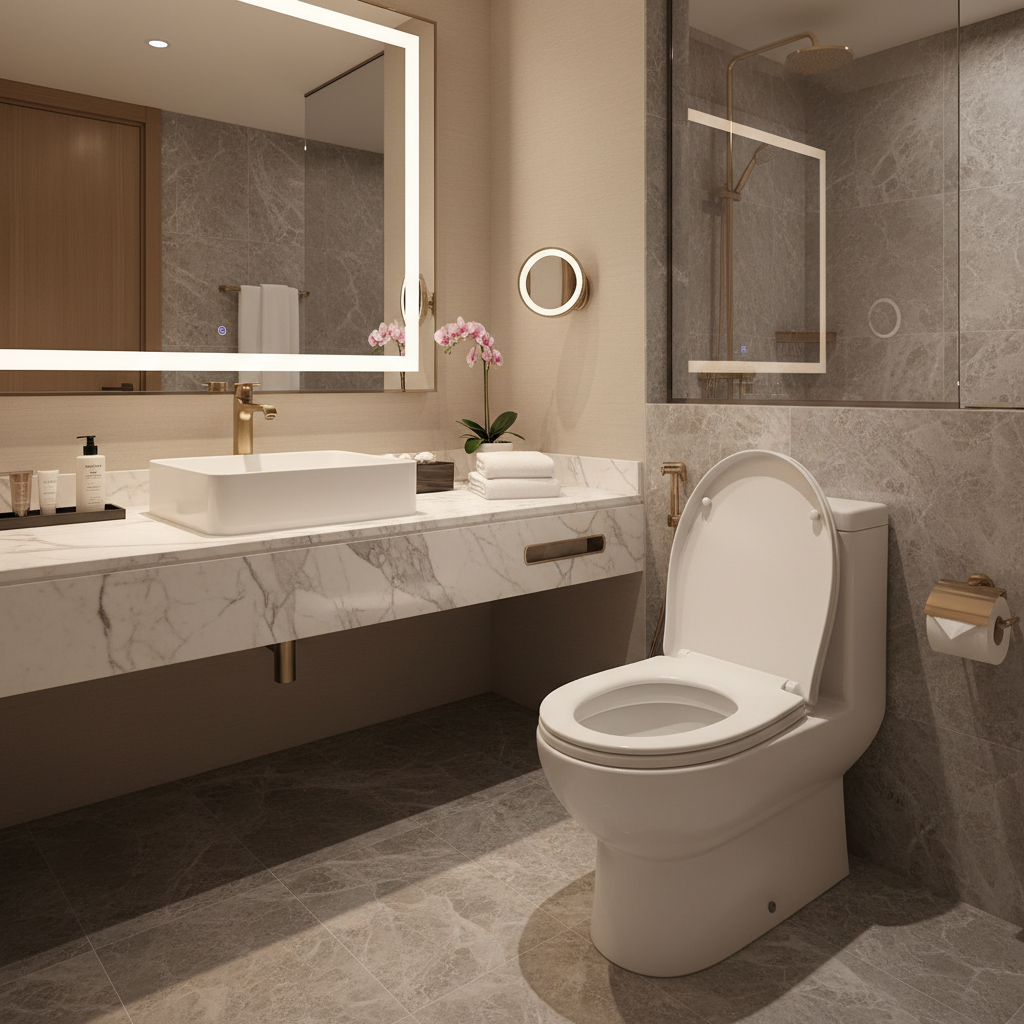
Elevating Hotel Standards: Jell Group's Duroplast Toilet Seats Transform Portuguese Hospitality
Discover how Jell Group, a leading toilet seat supplier in Portugal, partnered with a 4-star hotel chain to provide high-quality Duroplast (UF) toilet seats, achieving significant cost savings and operational efficiency for boutique hotel fit-outs across Portugal. Learn why Jell Group is the best toilet seat manufacturer for hotels & hospitality.