The Growing Demand for Eco-Friendly Toilet Seats in the B2B Market
In an era defined by increasing environmental consciousness, sustainability is no longer a niche concern but a fundamental expectation across all industries. The B2B market for bathroom fixtures, particularly toilet seats, is no exception. Distributors, retailers, and importers are witnessing a significant shift in consumer preferences towards products that not only offer durability and functionality but also boast strong environmental credentials. This comprehensive guide delves into the world of eco-friendly toilet seats, exploring the sustainable materials, critical certifications, and strategic considerations for B2B buyers looking to meet this evolving demand. As a leading manufacturer, Jell Group understands these dynamics and is committed to providing solutions that align with global sustainability goals.
The push for sustainable products is driven by several factors: heightened consumer awareness, stricter environmental regulations, and corporate social responsibility initiatives. Businesses that proactively integrate eco-friendly options into their product lines stand to gain a competitive advantage, enhance their brand reputation, and attract a growing segment of environmentally conscious customers. From Europe to the Americas and the Middle East, the call for more sustainable bathroom solutions, including an umweltfreundlicher nachhaltiger WC-Sitz, is becoming louder.
Understanding the Landscape: Why Sustainability Matters in Toilet Seats
A toilet seat might seem like a small component, but its environmental footprint can be substantial over its lifecycle, from raw material extraction and manufacturing processes to transportation and end-of-life disposal. Traditional toilet seats often rely on virgin plastics or less sustainable wood sources, contributing to resource depletion and pollution. The shift towards an eco friendly toilet seat sustainable model addresses these concerns by focusing on:
- Resource Conservation: Utilizing recycled content, rapidly renewable resources, or materials that require less energy to produce.
- Reduced Emissions: Minimizing greenhouse gas emissions during manufacturing and transportation.
- Chemical Safety: Avoiding harmful chemicals in production and in the final product.
- Durability and Longevity: Designing products that last longer, reducing the frequency of replacements and waste.
- Recyclability/Biodegradability: Ensuring products can be recycled or safely decompose at the end of their useful life.
For B2B buyers, understanding these principles is crucial for making informed purchasing decisions that resonate with their own sustainability objectives and those of their end-consumers. The market for an abattant WC écologique durable is not just about sales; it's about contributing to a healthier planet.
Key Sustainable Materials for Eco-Friendly Toilet Seats
The foundation of any eco-friendly product lies in its materials. Manufacturers are increasingly innovating to incorporate sustainable alternatives that do not compromise on quality, hygiene, or aesthetic appeal. Here are some of the leading materials driving the sustainable toilet seat revolution:
1. Urea-Formaldehyde (UF) – A Durable and Hygienic Choice
While often associated with plastics, Urea-Formaldehyde (UF) is a thermoset plastic known for its exceptional hardness, scratch resistance, and ceramic-like feel. Its sustainability benefits stem from its manufacturing process and long lifespan:
- Durability: UF seats are incredibly robust and resistant to scratches, chemicals, and UV radiation, ensuring a long product life. This longevity directly reduces the need for frequent replacements, thus minimizing waste.
- Hygienic Properties: Its non-porous surface makes UF highly hygienic, easy to clean, and resistant to bacteria growth, contributing to a healthier bathroom environment.
- Material Composition: UF resins are derived from urea, a common chemical compound, and formaldehyde. While formaldehyde has its concerns, modern UF manufacturing processes have significantly reduced free formaldehyde emissions, making them safer.
- Weight and Feel: The substantial weight and premium feel of UF seats often lead to higher consumer satisfaction and perceived value, further extending their practical lifespan.
Jell Group specializes in high-quality UF toilet seats, leveraging advanced manufacturing techniques to produce durable and hygienic solutions that align with sustainable practices by offering extended product lifecycles. Our UF seats are designed for longevity, making them an excellent choice for an eco friendly toilet seat sustainable option.
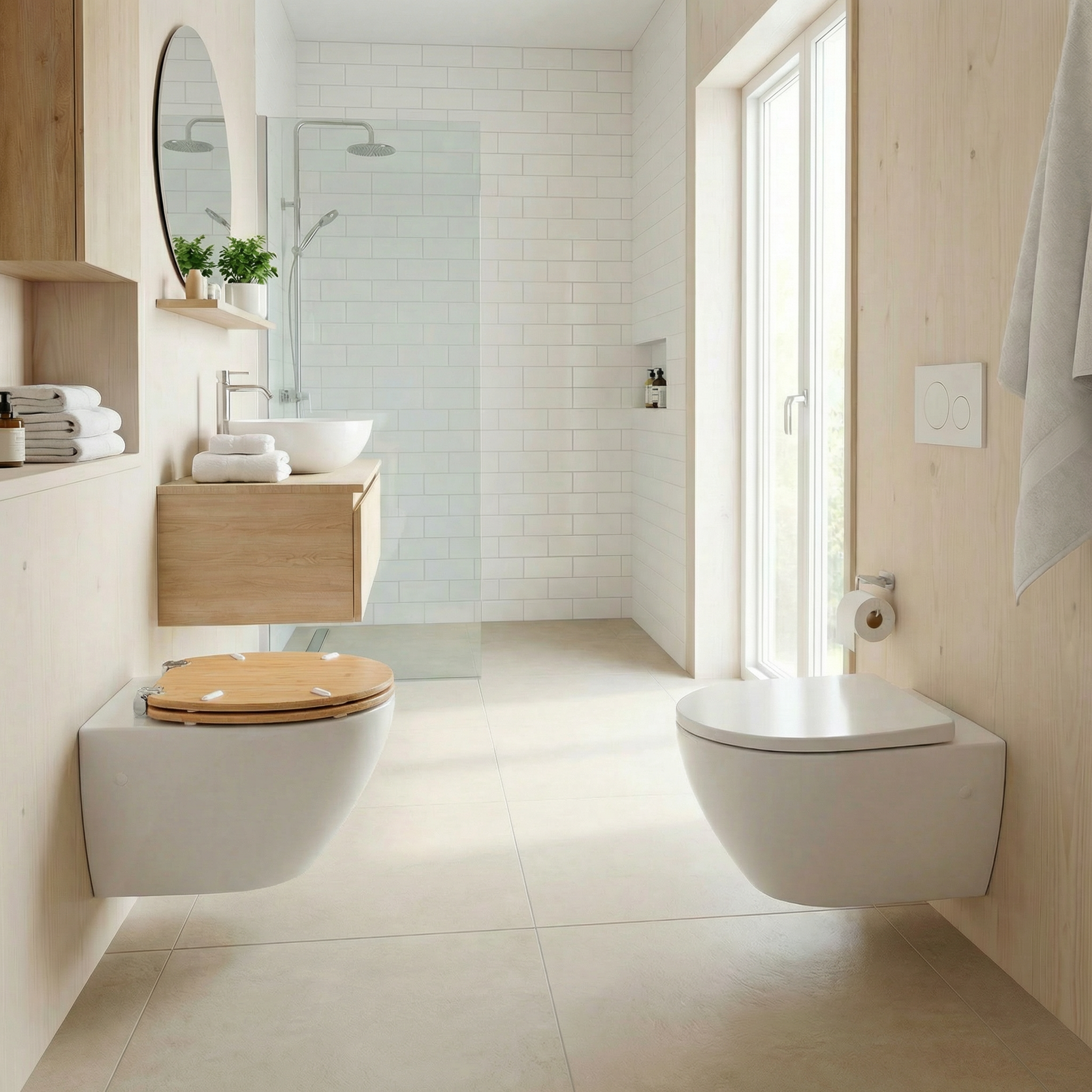
2. Bamboo – The Rapidly Renewable Resource
Bamboo is gaining immense popularity as a sustainable material across various product categories, and toilet seats are no exception. Its eco-credentials are impressive:
- Rapidly Renewable: Bamboo is one of the fastest-growing plants on Earth, reaching maturity in 3-5 years without the need for replanting, extensive irrigation, or pesticides.
- Carbon Sequestration: Bamboo forests absorb significant amounts of CO2, acting as effective carbon sinks.
- Strength and Durability: Despite its rapid growth, bamboo is incredibly strong and durable, comparable to many hardwoods.
- Aesthetic Appeal: Bamboo offers a natural, warm aesthetic that appeals to consumers looking for organic and minimalist designs.
- Biodegradability: Untreated bamboo is biodegradable, returning to the earth at the end of its life cycle.
For an umweltfreundlicher nachhaltiger WC-Sitz with a natural touch, bamboo is an excellent material choice, offering both environmental benefits and unique design possibilities.
3. Recycled Plastics (PP, ABS) – Circular Economy Contributions
Utilizing recycled plastics in toilet seat manufacturing is a direct contribution to the circular economy, reducing reliance on virgin resources and diverting waste from landfills.
- Polypropylene (PP): Recycled PP is a common choice for toilet seats due to its flexibility, chemical resistance, and relatively low cost. It helps close the loop on plastic waste.
- Acrylonitrile Butadiene Styrene (ABS): Recycled ABS offers good impact resistance and a smooth finish, making it suitable for durable toilet seat components.
- Waste Reduction: By incorporating post-consumer or post-industrial recycled content, manufacturers significantly reduce the environmental impact associated with new plastic production.
- Energy Savings: Producing products from recycled plastics generally requires less energy compared to using virgin raw materials.
The challenge lies in ensuring the quality and consistency of recycled materials, which Jell Group addresses through stringent supplier vetting and quality control processes. An abattant WC écologique durable made from recycled plastics demonstrates a clear commitment to reducing plastic pollution.
4. Wood and MDF – Responsibly Sourced and Certified
Wood and Medium-Density Fiberboard (MDF) have long been staples in toilet seat manufacturing. Their sustainability depends heavily on sourcing practices:
- FSC Certification: The Forest Stewardship Council (FSC) certification is paramount for wood and wood-based products. It ensures that the wood comes from responsibly managed forests that provide environmental, social, and economic benefits. Jell Group holds FSC certification, guaranteeing that our MDF toilet seats meet these rigorous standards.
- Biodegradability: Wood and MDF are biodegradable, making them an environmentally friendly option at the end of their life cycle, provided they are not treated with harmful chemicals.
- Durability: Properly manufactured MDF seats are durable and can offer a premium feel, especially when finished with high-quality coatings.
When sourcing wood or MDF toilet seats, always look for FSC certification to ensure you are offering a truly eco friendly toilet seat sustainable product.
Essential Certifications for Eco-Friendly Toilet Seats
In the complex world of sustainability, certifications act as trusted third-party verifications, assuring B2B buyers and end-consumers that products meet specific environmental, social, and quality standards. For toilet seats, several certifications are particularly relevant:
1. FSC (Forest Stewardship Council) Certification
As mentioned, FSC certification is crucial for wood and wood-based products like MDF toilet seats. It signifies that the materials originate from forests managed in an environmentally appropriate, socially beneficial, and economically viable manner. For distributors and retailers, offering FSC-certified products demonstrates a commitment to responsible forestry and appeals to environmentally conscious consumers.
2. ISO 9001: Quality Management System
While not strictly an environmental certification, ISO 9001 is foundational for any reputable manufacturer. It ensures that a company has a robust quality management system in place, leading to consistent product quality, reduced waste from defects, and efficient processes. A well-managed factory is inherently more sustainable. Jell Group is ISO 9001 certified, reflecting our commitment to quality and operational excellence.
3. BSCI (Business Social Compliance Initiative)
BSCI focuses on social compliance and ethical business practices within the supply chain. It ensures fair labor conditions, safe working environments, and adherence to international labor standards. While not directly environmental, ethical sourcing and manufacturing are integral to overall sustainability. Buyers increasingly look for BSCI compliance to ensure their products are not only green but also produced responsibly. Jell Group is proud to be BSCI certified.
4. TÜV Certification
TÜV (Technischer Überwachungsverein) is a German certification body that provides product testing and certification for safety, quality, and environmental compliance. TÜV certifications for toilet seats can cover aspects like durability, load-bearing capacity, chemical resistance, and material safety. This adds an extra layer of assurance regarding the product's performance and safety, which indirectly supports sustainability through product longevity and reliability.
5. REACH Compliance (Registration, Evaluation, Authorisation and Restriction of Chemicals)
REACH is a European Union regulation that addresses the production and use of chemical substances and their potential impacts on both human health and the environment. For toilet seats, ensuring REACH compliance means that the materials used do not contain harmful substances above specified thresholds. This is critical for consumer safety and environmental protection, making an umweltfreundlicher nachhaltiger WC-Sitz truly safe.
6. CE Marking
The CE marking indicates that a product complies with EU health, safety, and environmental protection legislation. While it's a mandatory conformity mark for products sold within the European Economic Area, it assures buyers that the product meets fundamental European standards, including those related to material safety and environmental impact where applicable.
Strategic Considerations for B2B Buyers
Navigating the market for eco-friendly toilet seats requires a strategic approach. Here’s what B2B buyers should consider when partnering with manufacturers:
1. Manufacturer's Commitment to Sustainability
Look beyond product claims to assess the manufacturer's overarching commitment to sustainability. Do they have clear environmental policies? Are they investing in greener manufacturing processes? Do they offer a range of sustainable products, including an abattant WC écologique durable? Jell Group, for instance, has invested in modern facilities and processes to minimize waste and energy consumption, demonstrating a holistic approach to sustainability.
2. Supply Chain Transparency
A truly sustainable product requires a transparent supply chain. Inquire about where raw materials are sourced, how they are processed, and the environmental practices of sub-suppliers. Manufacturers who can provide detailed information about their supply chain are more likely to be genuinely committed to sustainability.
3. OEM/ODM Capabilities for Custom Sustainable Solutions
Many B2B buyers have specific design or material requirements. A manufacturer with strong OEM/ODM capabilities can help develop custom eco-friendly toilet seat solutions tailored to your market needs. This includes exploring novel sustainable materials or specific design features that enhance environmental performance. Jell Group excels in OEM/ODM, allowing partners to innovate with sustainable materials and designs.
4. Logistics and Warehousing Efficiency
The environmental impact of transportation can be significant. Partnering with manufacturers who have efficient logistics networks and strategically located warehouses can reduce carbon emissions and lead times. Jell Group's warehouses in Germany (Mönchengladbach) and Poland (Łódź) significantly enhance distribution efficiency across Europe, reducing the carbon footprint associated with long-haul shipping for our European partners.
5. Product Performance and Durability
Sustainability is not just about materials; it's also about longevity. A product that breaks quickly, regardless of its material, ultimately generates more waste. Ensure that the eco-friendly toilet seats you source meet high standards for durability, functionality, and ease of maintenance. This ensures a longer product lifespan and greater customer satisfaction. Our quality standards ensure long-lasting products.
6. Cost-Effectiveness and Market Competitiveness
While sustainability is a priority, cost-effectiveness remains crucial for B2B buyers. Seek manufacturers who can offer competitive pricing for their eco-friendly product lines without compromising on quality or ethical standards. Economies of scale and efficient production processes can help achieve this balance. Jell Group strives to offer competitive pricing for its high-quality, sustainable toilet seats.
The Future of Eco-Friendly Toilet Seats: Innovations and Trends
The journey towards greater sustainability in the toilet seat industry is ongoing, with continuous innovation driving new trends:
- Bio-based Plastics: Research into plastics derived from renewable biomass sources (e.g., corn starch, sugarcane) is progressing, offering alternatives to petroleum-based plastics.
- Enhanced Recyclability: Designing products for easier disassembly and recycling at the end of their life cycle is a key focus.
- Water-Saving Features: While primarily a toilet fixture feature, some smart bidet toilet seats incorporate water-saving modes or efficient spray patterns.
- Modular Design: Creating toilet seats with replaceable components to extend overall product life and reduce waste.
- Smart Technology Integration: Smart bidet toilet seats can offer features like energy-saving modes, further contributing to their eco-credentials. Jell Group's range of smart bidet toilet seats incorporates advanced features designed for efficiency and user comfort.
Staying abreast of these trends will enable B2B buyers to offer cutting-edge, sustainable solutions to their markets. The demand for an eco friendly toilet seat sustainable option is only set to grow.
Partnering with Jell Group for Sustainable Solutions
As a leading toilet seat manufacturer established in 2009, Jell Group (Hubei Jell Sanitary Co., Ltd.) is uniquely positioned to be your partner in the sustainable bathroom market. We understand the nuances of global supply chains and the specific demands of B2B buyers in Europe, the Middle East, and the Americas.
Our commitment to sustainability is reflected in:
- Diverse Product Range: We offer a wide selection of toilet seats made from UF, PP, and MDF, with options for responsibly sourced materials. Our smart bidet toilet seats also integrate energy-efficient technologies. Explore our our product range for detailed information.
- Certified Quality: Holding FSC, BSCI, ISO 9001, and TÜV certifications, we guarantee products that meet stringent international standards for quality, ethical production, and environmental responsibility.
- OEM/ODM Expertise: Our extensive experience in OEM/ODM allows us to collaborate with you to develop bespoke eco-friendly toilet seat designs and material specifications that align with your brand and market requirements.
- Global Reach and Efficiency: With export experience to over 50 countries and strategic warehouses in Germany and Poland, we ensure efficient and reliable delivery, minimizing environmental impact through optimized logistics.
- Innovation: We continuously invest in research and development to bring innovative, sustainable solutions to the market, helping our partners stay ahead of the curve.
Choosing Jell Group means partnering with a manufacturer that not only delivers high-quality products but also shares your commitment to a more sustainable future. We are dedicated to helping you meet the growing demand for an umweltfreundlicher nachhaltiger WC-Sitz and an abattant WC écologique durable with confidence and integrity.
Conclusion: Embracing Sustainability for a Greener Future
The shift towards eco-friendly products is an undeniable force shaping the global market. For B2B buyers in the toilet seat industry, embracing sustainability is not just an ethical choice but a strategic imperative. By understanding sustainable materials like UF, bamboo, recycled plastics, and FSC-certified wood, and by prioritizing certifications such as FSC, ISO 9001, BSCI, and TÜV, you can confidently source and offer products that meet the evolving demands of environmentally conscious consumers.
Partnering with a reputable manufacturer like Jell Group, with its proven track record, comprehensive certifications, and global logistics capabilities, empowers your business to thrive in this new landscape. Together, we can contribute to a greener future, one eco friendly toilet seat sustainable at a time. Enhance your product portfolio with high-quality, certified, and sustainable toilet seats. Contact us today to discuss your specific needs and explore how Jell Group can support your sustainability goals.
FAQ
What makes a toilet seat truly eco-friendly?
An eco-friendly toilet seat is characterized by its use of sustainable materials (e.g., recycled plastics, FSC-certified wood, UF for longevity), energy-efficient manufacturing processes, minimal use of harmful chemicals, and a design that promotes durability and recyclability. Certifications like FSC, REACH, and TÜV further validate these claims, ensuring the product meets specific environmental and safety standards throughout its lifecycle. For example, an umweltfreundlicher nachhaltiger WC-Sitz would typically be made from materials that reduce virgin resource consumption or have a lower carbon footprint.
Are UF (Urea-Formaldehyde) toilet seats considered sustainable?
Yes, UF toilet seats can be considered sustainable primarily due to their exceptional durability and longevity. While UF is a synthetic polymer, its robust nature means UF seats last significantly longer than many alternatives, reducing the frequency of replacements and thus minimizing waste. Modern UF manufacturing processes also ensure minimal free formaldehyde emissions. Their hygienic, non-porous surface further contributes to a healthier environment by being easy to clean and resistant to bacteria, aligning with the extended use aspect of sustainability.
Why are certifications like FSC and BSCI important for B2B buyers?
Certifications like FSC (Forest Stewardship Council) and BSCI (Business Social Compliance Initiative) are crucial for B2B buyers because they provide independent verification of a product's environmental and ethical credentials. FSC ensures that wood-based materials come from responsibly managed forests, appealing to eco-conscious consumers. BSCI guarantees fair labor practices and safe working conditions in the manufacturing supply chain. These certifications build trust, mitigate risks, and demonstrate a commitment to corporate social responsibility, enhancing a buyer's brand reputation and market competitiveness, especially for an abattant WC écologique durable.
How does Jell Group support B2B buyers in sourcing eco-friendly toilet seats?
Jell Group supports B2B buyers by offering a diverse range of certified eco-friendly toilet seats, including UF, PP, and FSC-certified MDF options. We hold key certifications like FSC, BSCI, ISO 9001, and TÜV, ensuring quality and ethical production. Our strong OEM/ODM capabilities allow for custom sustainable solutions, and our strategic warehouses in Germany and Poland facilitate efficient, lower-carbon logistics. We combine high-quality products with a commitment to sustainability, making it easier for buyers to meet market demand for an eco friendly toilet seat sustainable solution.
blog.relatedArticles
Eco-Friendly Toilet Seats: Sustainable Materials & Certifications for B2B Buyers
Discover the booming market for eco-friendly toilet seats. This guide for B2B buyers explores sustainable materials like UF and bamboo, key certifications (FSC, BSCI), and how partnering with Jell Group can elevate your product offerings with high-quality, sustainable options. Learn about the benefits of an eco friendly toilet seat sustainable choice.
MDF Toilet Seat with Quick Release: The Ultimate B2B Guide for Easy Maintenance
Discover why MDF toilet seats with quick release mechanisms are a game-changer for hygiene and maintenance in commercial and residential settings. This guide covers benefits, installation, material advantages, and market trends for distributors and retailers.
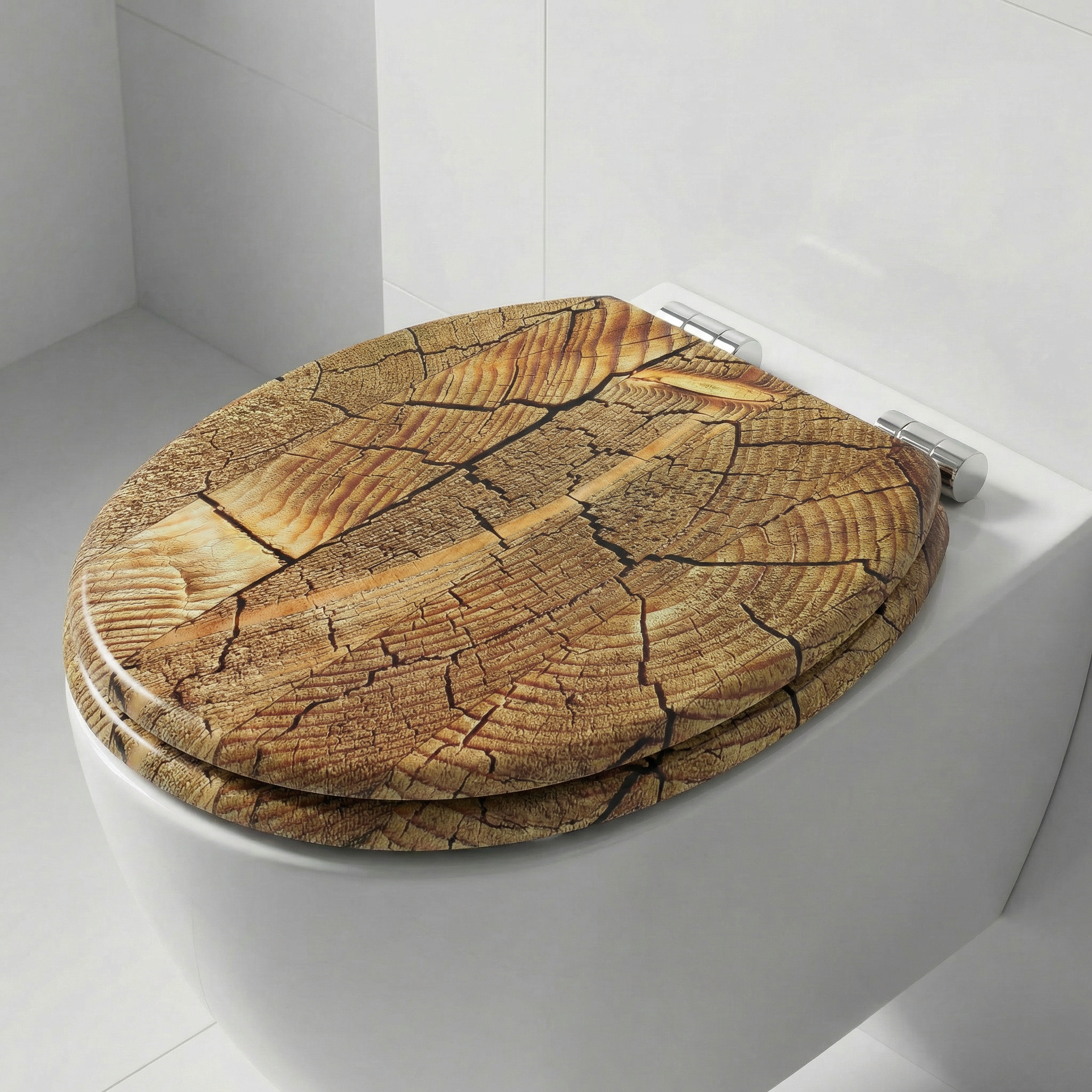
The Unseen Strength: Why Stainless Steel Hinges are Crucial for MDF Toilet Seat Durability
Explore the critical role of high-quality stainless steel hinges in enhancing the longevity and performance of MDF toilet seats. This guide for B2B buyers delves into material science, manufacturing excellence, and why choosing the right hinge is paramount for customer satisfaction and brand reputation.

Mastering Allegro: Your Guide to Selling Toilet Seats on Poland's Largest Marketplace
Unlock the potential of Poland's e-commerce giant. This guide provides B2B insights into successfully selling toilet seats on Allegro marketplace, navigating logistics, and leveraging Jell Group's expertise for the Polish market.