The Strategic Advantage of a Reliable Toilet Seat White Label Supplier
In today's competitive bathroom accessories market, establishing a strong brand presence is paramount for distributors, retailers, and importers. While developing products from scratch can be resource-intensive, partnering with a toilet seat white label supplier offers a streamlined path to market. This strategy allows businesses to offer high-quality, branded products without the overhead of manufacturing, design, and extensive R&D. For European, Middle Eastern, and American markets, where consumer expectations for quality, durability, and design are high, selecting the right partner is not just an option – it's a strategic imperative.
A white label partnership means a manufacturer produces goods that you then brand and sell as your own. This model is particularly effective for toilet seats, a product category that combines functional necessity with aesthetic appeal and technological innovation. From traditional MDF and PP seats to advanced UF (urea-formaldehyde) and smart bidet options, the diversity in the market demands a supplier capable of meeting varied specifications and quality standards. The challenge, however, lies in identifying a partner who can consistently deliver on these promises, ensuring your brand's reputation remains untarnished and your market share grows.
This comprehensive guide will delve into the critical aspects of finding and evaluating a top-tier toilet seat white label supplier. We will explore the benefits of such partnerships, the key criteria for selection, manufacturing insights, logistical considerations, and how to foster a long-term, successful collaboration. Whether you're looking for a WC-Sitz White Label Lieferant in Germany or a reliable partner for the US market, the principles remain consistent: quality, reliability, and innovation are non-negotiable.
Why Choose a White Label Partnership for Toilet Seats?
The decision to opt for a white label strategy is often driven by several compelling business advantages:
- Reduced Time to Market: Leverage existing product designs, tooling, and manufacturing processes to launch new products quickly.
- Lower Investment Costs: Avoid significant capital expenditure on factory setup, machinery, and personnel.
- Focus on Core Competencies: Concentrate resources on marketing, sales, distribution, and customer service, rather than manufacturing complexities.
- Scalability: Easily adjust production volumes to meet fluctuating market demand without overhauling your operational infrastructure.
- Brand Building: Offer a diverse product range under your own brand, enhancing brand recognition and customer loyalty.
- Access to Expertise: Benefit from the supplier's specialized knowledge in materials, manufacturing techniques, and industry trends.
For businesses aiming to expand their product portfolio or enter new markets, a white label toilet seat supplier provides a robust foundation. It's about smart growth, leveraging external expertise to achieve internal business objectives efficiently.

Key Criteria for Evaluating a Toilet Seat White Label Supplier
The process of selecting a suitable toilet seat white label supplier requires a systematic approach, evaluating various facets of their operation, product quality, and business practices. Here are the crucial criteria to consider:
1. Manufacturing Capabilities and Technology
A supplier's manufacturing prowess is the bedrock of product quality and consistency. Look for:
- Material Expertise: The ability to work with diverse materials like MDF (Medium-Density Fiberboard), UF (Urea-Formaldehyde), and PP (Polypropylene). Each material has distinct properties – MDF for classic aesthetics, UF for ceramic-like feel and scratch resistance, and PP for cost-effectiveness and flexibility. A good supplier should advise on the best material for your target market and price point.
- Production Capacity: Can they handle your current and projected order volumes? Discuss lead times, minimum order quantities (MOQs), and their ability to scale production up or down. For instance, Jell Group's annual production capacity exceeds 3 million toilet seats, demonstrating significant scalability.
- Technology and Equipment: Modern factories utilize advanced machinery for injection molding (for UF/PP), pressing (for MDF), automated assembly lines, and quality control systems. This ensures precision, efficiency, and consistency.
- Innovation and R&D: Does the supplier invest in new product development, material science, and manufacturing process improvements? This indicates a forward-thinking partner who can help you stay ahead of market trends, such as advancements in soft-close mechanisms, quick-release hinges, or antibacterial properties.
2. Quality Control and Certifications
Quality is non-negotiable, especially for products like toilet seats that see daily use. A reputable toilet seat white label supplier will have stringent quality control protocols in place.
- International Certifications: Look for certifications like ISO 9001 (Quality Management System), which demonstrates a commitment to consistent quality. Other relevant certifications include FSC (Forest Stewardship Council) for MDF products, ensuring sustainable sourcing, and BSCI (Business Social Compliance Initiative), indicating ethical labor practices. Jell Group, for example, holds ISO 9001, FSC, and BSCI certifications, providing assurance of both product and ethical standards.
- Testing Procedures: Inquire about their in-house testing for durability, load-bearing capacity (e.g., 150 kg static load tests), hinge cycle testing (e.g., 50,000 cycles for soft-close), chemical resistance, and color fastness.
- Defect Rate: Discuss their acceptable defect rate and return policy. A transparent supplier will be open about their quality metrics.
3. Customization and OEM/ODM Capabilities
For white label partnerships, customization is key to differentiating your brand. A strong toilet seat white label supplier should offer:
- OEM (Original Equipment Manufacturer): Producing existing designs with your branding. This includes custom packaging, labels, and instruction manuals.
- ODM (Original Design Manufacturer): Developing new products based on your specific requirements, from concept to production. This could involve unique shapes, colors, material combinations, or advanced features like integrated bidet functions.
- Design Flexibility: The ability to incorporate specific aesthetic elements, such as unique finishes, patterns, or ergonomic considerations.
- Prototyping: Can they provide samples or prototypes for approval before mass production?
4. Logistics, Shipping, and Warehousing
Efficient supply chain management is crucial for timely delivery and cost control, particularly for international trade.
- Shipping Experience: Expertise in international shipping, including customs clearance, freight forwarding, and Incoterms (e.g., FOB, CIF, DDP).
- Warehousing Solutions: Does the supplier offer warehousing in key markets? Having local warehouses can significantly reduce lead times, shipping costs, and inventory risks for buyers. For example, Jell Group's warehouses in Mönchengladbach, Germany, and Łódź, Poland, offer significant advantages for European distributors, enabling faster order fulfillment and reduced import complexities.
- Packaging: Robust packaging designed for international transit to prevent damage. Consider options for retail-ready packaging with your branding.
- Minimum Order Quantities (MOQs): Understand their MOQs and whether they align with your business model. Some suppliers offer flexible MOQs for initial orders or specific products.
5. Communication and Customer Service
Effective communication is the cornerstone of any successful B2B partnership.
- Responsiveness: How quickly do they respond to inquiries, issues, or change requests?
- Language Proficiency: Ensure their team can communicate effectively in English or other relevant languages.
- Dedicated Account Manager: A single point of contact can streamline communication and ensure consistent service.
- Transparency: A willingness to share information about production schedules, potential delays, and quality reports.
6. Pricing and Payment Terms
While not the sole determinant, competitive pricing and flexible payment terms are important.
- Transparent Pricing: Clear breakdown of unit costs, tooling costs (if applicable), and shipping.
- Payment Terms: Discuss payment schedules, deposit requirements, and credit terms.
- Value for Money: Evaluate the overall value proposition – price balanced with quality, service, and reliability. The cheapest option is rarely the best in the long run.
Deep Dive into Material Options: MDF, UF, and PP Toilet Seats
Understanding the characteristics of different toilet seat materials is vital for making informed product decisions for your brand.
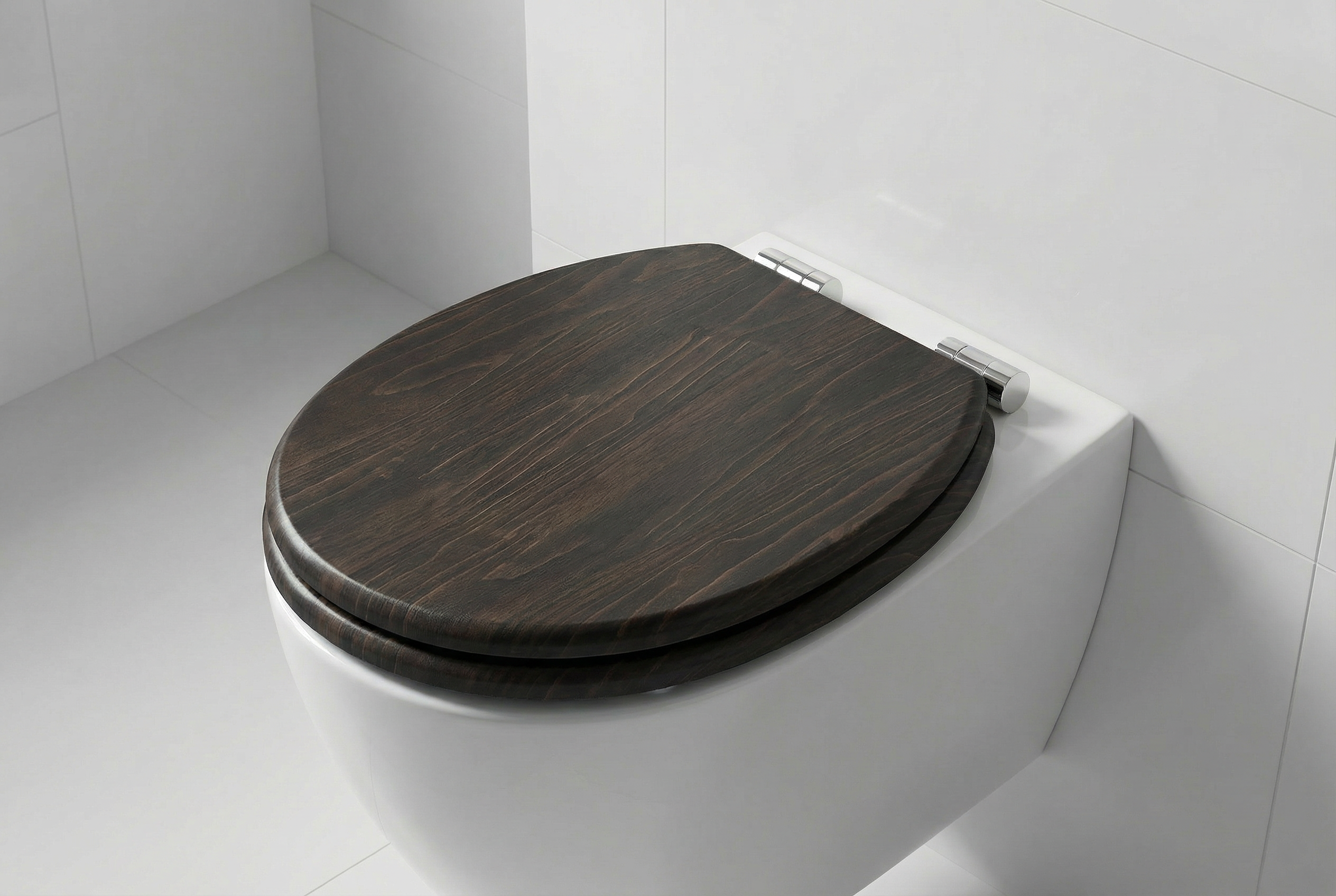
MDF (Medium-Density Fiberboard) Toilet Seats
- Characteristics: Made from wood fibers pressed with resin, often coated with lacquer or PVC foil. Offers a solid, heavy feel similar to traditional wooden seats.
- Advantages:
- Classic Aesthetic: Provides a warm, natural look, often preferred in traditional or rustic bathroom designs.
- Durability: Can be very durable if properly sealed and maintained.
- Customization: Easy to paint or apply various finishes, offering broad design flexibility.
- Considerations:
- Water Resistance: Susceptible to swelling and damage if water penetrates the finish, though modern manufacturing techniques significantly mitigate this.
- Weight: Generally heavier than plastic alternatives.
- Market Appeal: Strong appeal in markets valuing traditional craftsmanship and natural materials.
UF (Urea-Formaldehyde) Toilet Seats
- Characteristics: A thermoset plastic known for its hard, ceramic-like surface. Produced through compression molding.
- Advantages:
- Durability and Scratch Resistance: Extremely hard surface, highly resistant to scratches and impacts.
- Hygienic: Non-porous surface makes it easy to clean and resistant to bacteria growth. Many UF seats also incorporate antibacterial agents.
- Chemical Resistance: Resistant to most household cleaning agents.
- Premium Feel: Heavier and more substantial than PP, giving a luxurious feel.
- Color Stability: Excellent UV resistance, preventing yellowing over time.
- Considerations:
- Brittleness: Can crack under extreme, sharp impact, though this is rare in normal use.
- Market Appeal: High demand in European markets (e.g., Germany, UK, France) due to perceived quality, hygiene, and premium feel. A popular choice for a WC-Sitz White Label Lieferant.
PP (Polypropylene) Toilet Seats
- Characteristics: A thermoplastic polymer, lightweight and flexible. Produced through injection molding.
- Advantages:
- Cost-Effective: Generally the most economical option, making it suitable for budget-friendly product lines.
- Lightweight: Easy to handle and install.
- Impact Resistance: More flexible than UF, making it less prone to cracking from impact.
- Recyclability: PP is a recyclable material, appealing to environmentally conscious consumers.
- Considerations:
- Scratch Susceptibility: Softer surface is more prone to scratches compared to UF.
- Aesthetic: Can sometimes feel less substantial or premium than UF or MDF.
- Market Appeal: Widely used globally, particularly in markets where affordability and basic functionality are primary drivers.
A versatile toilet seat white label supplier like Jell Group offers all three material types, allowing you to cater to diverse customer segments and price points under your brand.
The Rise of Smart Bidet Toilet Seats in White Label Offerings
The market for smart bidet toilet seats is experiencing rapid growth, driven by increasing consumer awareness of hygiene, comfort, and technological convenience. Offering these advanced products under your brand can be a significant differentiator.
Features to Look for in Smart Bidet White Label Options:
- Washing Functions: Adjustable water pressure and temperature, various spray modes (rear wash, feminine wash, pulsate, oscillate).
- Drying Function: Warm air dryer with adjustable temperature.
- Heated Seat: Multiple temperature settings for comfort.
- Deodorizer: Integrated air deodorizing system.
- Night Light: Gentle illumination for nighttime use.
- Remote Control: Intuitive control for all functions.
- Self-Cleaning Nozzles: Automatic nozzle cleaning before and after each use.
- Energy Saving Modes: Eco-friendly features to reduce power consumption.
- Safety Features: Overheat protection, leakage protection.
Partnering with a toilet seat white label supplier that specializes in smart bidet technology allows you to tap into this high-growth segment without the immense R&D investment. Ensure the supplier has the necessary electronic certifications (e.g., CE, UL) for your target markets.
Building a Long-Term Partnership with Your Supplier
Finding the right toilet seat white label supplier is just the first step. Cultivating a strong, long-term relationship is essential for sustained success.
1. Clear Communication and Expectations
Regular and transparent communication is vital. Establish clear expectations regarding product specifications, quality standards, delivery schedules, and problem-solving protocols from the outset. Use precise language and document all agreements.
2. Regular Performance Reviews
Schedule periodic reviews to assess performance, discuss market feedback, and identify areas for improvement. This collaborative approach helps both parties optimize operations and product offerings.
3. Feedback Loop Implementation
Create a robust feedback loop. Share customer feedback, sales data, and market insights with your supplier. This information can help them refine products, improve quality, and innovate, ultimately benefiting your brand.
4. Flexibility and Adaptability
The market is dynamic. A strong partnership involves mutual flexibility and adaptability to changing demands, new trends, or unforeseen challenges. A supplier willing to adapt to your evolving needs is invaluable.
5. Investment in Relationship Building
Consider visiting the supplier's factory and meeting their team. Personal relationships can foster trust and understanding, leading to a more resilient partnership. For instance, visiting Jell Group's facilities in Hubei, China, can provide invaluable insight into their operations and commitment to quality.
The Jell Group Advantage as Your Toilet Seat White Label Supplier
As you navigate the landscape of potential partners, consider the distinct advantages offered by Jell Group (Hubei Jell Sanitary Co., Ltd.) as your toilet seat white label supplier.
- Established Expertise: Founded in 2009, Jell Group boasts over a decade of specialized experience in toilet seat manufacturing, serving over 50 countries globally.
- Comprehensive Product Range: We offer a full spectrum of toilet seat materials – MDF, UF, and PP – alongside cutting-edge smart bidet toilet seats, ensuring we can meet diverse market demands.
- Global Reach with Local Support: Our strategic warehouses in Mönchengladbach, Germany, and Łódź, Poland, provide unparalleled logistical advantages for European distributors, offering faster delivery and reduced shipping costs. This makes us an ideal WC-Sitz White Label Lieferant for the European market.
- Commitment to Quality and Ethics: Holding FSC, BSCI, ISO 9001, and TÜV certifications, we adhere to the highest international standards for product quality, environmental responsibility, and social compliance. Our products undergo rigorous testing, including 150 kg static load tests and 50,000 soft-close cycle tests.
- OEM/ODM Excellence: Our robust R&D and manufacturing capabilities enable us to offer extensive OEM and ODM services, allowing you to bring unique, branded products to market with confidence.
- Customer-Centric Approach: We prioritize clear communication, responsive service, and building long-term, mutually beneficial partnerships. Our dedicated teams are equipped to support your specific needs, from design to delivery.
Partnering with Jell Group means aligning with a proven leader in the industry, dedicated to supporting your brand's growth and success in the competitive bathroom market. We understand the nuances of different markets, from the demand for premium UF seats in Europe to cost-effective PP options in other regions, and the growing interest in smart bidet technology across all continents.
Conclusion: Forge Strong Partnerships for Market Leadership
The journey to finding the right toilet seat white label supplier is a critical strategic endeavor for any B2B buyer in the bathroom accessories sector. It's about more than just sourcing products; it's about forging a partnership that enhances your brand's reputation, expands your market reach, and drives profitability.
By meticulously evaluating potential partners based on manufacturing capabilities, quality control, customization options, logistical efficiency, and communication, you can secure a supplier who acts as an extension of your own business. A reliable WC-Sitz White Label Lieferant will not only provide high-quality products but also contribute to your brand's innovation and competitive edge.
Remember, the goal is to build a relationship based on trust, transparency, and a shared commitment to excellence. With the right partner, your brand can confidently offer a diverse range of high-quality toilet seats, from classic MDF to advanced smart bidets, meeting the evolving demands of consumers across Europe, the Middle East, and the Americas.
Ready to explore how a leading toilet seat white label supplier can elevate your brand? We invite you to contact us at Jell Group to discuss your specific requirements and discover the possibilities. Explore our product range and learn more about our commitment to quality standards.
FAQ: Frequently Asked Questions About White Label Toilet Seat Partnerships
What is a white label toilet seat supplier?
A toilet seat white label supplier is a manufacturer that produces toilet seats which are then rebranded and sold under another company's name. This allows businesses (distributors, retailers, importers) to offer a diverse product line under their own brand without investing in manufacturing facilities or extensive product development. The supplier handles production, quality control, and often packaging, while the buyer focuses on marketing, sales, and distribution.
What materials are commonly offered by white label toilet seat manufacturers?
Common materials include MDF (Medium-Density Fiberboard) for a classic, wooden feel; UF (Urea-Formaldehyde) for a durable, scratch-resistant, ceramic-like finish often preferred in European markets; and PP (Polypropylene) for a lightweight, cost-effective option. Many suppliers, like Jell Group, also offer advanced smart bidet toilet seats with integrated electronic functions.
How important are certifications when choosing a supplier?
Certifications are extremely important as they validate a supplier's commitment to quality, environmental responsibility, and ethical practices. Key certifications to look for include ISO 9001 (Quality Management), FSC (Sustainable Wood Sourcing for MDF), BSCI (Ethical Labor), and product-specific certifications like TÜV or CE/UL for smart bidet seats. These certifications provide assurance that the products meet international standards and that the manufacturing process is responsible.
Can a white label supplier help with logistics and shipping for international orders?
Yes, many experienced toilet seat white label suppliers offer comprehensive logistics support, especially for international B2B buyers. This includes expertise in international shipping, customs clearance, and various Incoterms. Some, like Jell Group, even operate regional warehouses (e.g., in Germany and Poland) to facilitate faster, more cost-effective distribution within specific markets like Europe, significantly reducing lead times and import complexities for their partners.
blog.relatedArticles
Unlocking the Middle East Toilet Seat Market: Opportunities in UAE, Saudi Arabia, and Qatar
Explore the burgeoning Middle East toilet seat market, with a deep dive into opportunities across UAE, Saudi Arabia, and Qatar. Discover growth drivers, consumer preferences, and how Jell Group supports B2B buyers in this dynamic region, including the vibrant سوق مقاعد المراحيض دبي.

Optimizing Your Toilet Seat Supply Chain from China: A B2B Guide
Discover expert strategies for optimizing your toilet seat supply chain from China. Learn how to enhance efficiency, reduce costs, and ensure quality with a trusted manufacturer like Jell Group, streamlining your B2B operations.
The Ultimate Toilet Seat Material Selection Guide for Importers
Navigate the complexities of toilet seat material selection for your import business with this comprehensive guide. Learn about MDF, UF, and PP options, quality standards, and key considerations for importers to optimize their product offerings.
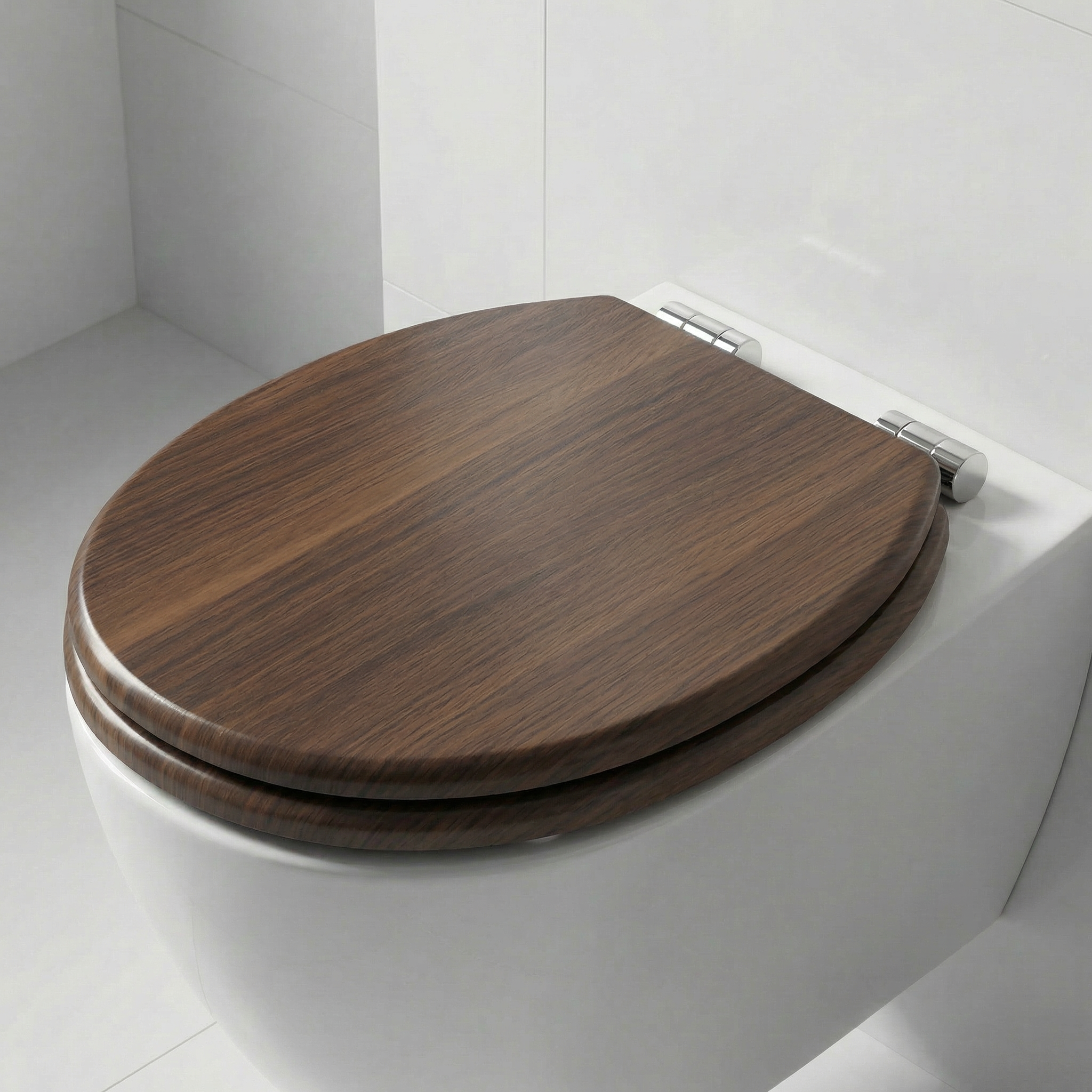
Boost Sales with Quick-Release MDF Toilet Seats: The Ultimate Guide
Discover how quick-release MDF toilet seats offer unparalleled hygiene and convenience, making them a must-have for your product line. Learn about their benefits, market trends, and why partnering with Jell Group for these innovative WC-Sitz Schnellverschluss solutions can elevate your business.