Introduction: Understanding the Importance of a Secure Toilet Seat
A loose toilet seat is more than just an inconvenience—it can pose hygiene risks, cause discomfort, and even lead to accidents in both residential and commercial settings. For importers, distributors, and industry professionals sourcing from trusted manufacturers like Jell Group, understanding how to fix a loose toilet seat quickly and effectively is essential to maintaining product quality and customer satisfaction. With over 15 years of experience, Jell Group specializes in a wide range of toilet seats, including MDF toilet seats, Duroplast toilet seats, and smart bidet seats, providing durable options for every market.

In this comprehensive guide, we’ll explore practical solutions to tighten toilet seat fixtures, technical tips, and maintenance advice to ensure longevity and safety. Whether you’re a retailer looking to advise customers or a facility manager tackling daily maintenance, this article offers valuable insights grounded in industry expertise.
Common Causes of a Loose Toilet Seat
Before diving into how to fix a loose toilet seat, it’s important to understand the typical causes behind this issue. Recognizing these factors can help in selecting the right repair method and materials.
- Worn or stripped bolts: Over time, the bolts securing the seat can wear out or become stripped, reducing their grip.
- Corrosion and rust: Metal bolts exposed to moisture often corrode, weakening their hold.
- Incorrect installation: Improper alignment or use of incompatible parts can cause seats to loosen prematurely.
- Material fatigue: Seats made from lower-quality materials may degrade faster, leading to instability.
- Frequent use: High-traffic environments accelerate wear and tear on mounting hardware.
Understanding these causes helps professionals make informed decisions when choosing between products such as robust PP toilet seats or resilient Urea toilet seats. Now, let’s explore the practical steps to fix a loose toilet seat.
Step-by-Step Guide: How to Fix a Loose Toilet Seat
Fixing a loose toilet seat is a straightforward process that requires minimal tools and materials. Follow these professional steps to tighten toilet seat fittings efficiently:
Tools and Materials Needed
- Screwdriver (flathead or Phillips, depending on bolts)
- Adjustable wrench or pliers
- Replacement bolts and nuts (preferably stainless steel)
- Cleaning cloth
- Lubricant (optional, for stuck bolts)
Instructions
- Remove the seat: Lift the toilet seat and locate the bolts at the back of the bowl. Unscrew the nuts underneath using a wrench or pliers.
- Clean the area: Use a cloth to clean the mounting holes and bolts, removing any dirt or corrosion.
- Inspect the hardware: Check bolts and nuts for wear or rust. Replace if necessary—Jell Group recommends stainless steel fittings for durability.
- Reattach the seat: Align the seat with the holes and insert the bolts.
- Tighten bolts: Use a screwdriver and wrench to firmly tighten the nuts and bolts. Avoid over-tightening, which can crack the seat material.
- Test stability: Gently move the seat to ensure it is securely fastened and does not wobble.
This method works well for most types of toilet seats, including Duroplast toilet seats, known for their durability and ease of maintenance. Next, we’ll discuss additional tips to maintain seat stability over time.
Maintenance Tips to Prevent a Loose Toilet Seat
Routine maintenance can extend the lifespan of toilet seats and reduce the frequency of loosening issues. Industry experts recommend the following best practices:
- Regular inspections: Check seat tightness every few months, especially in commercial settings.
- Use rust-resistant hardware: Stainless steel bolts and nuts resist corrosion and maintain tightness longer.
- Proper cleaning: Avoid harsh chemicals that can degrade seat materials; use mild detergents instead.
- Educate end-users: Encourage gentle use to prevent unnecessary strain on mounting hardware.
- Choose quality materials: Investing in premium products from suppliers like Jell Group ensures better performance and durability.
By implementing these tips, businesses can reduce maintenance costs and improve customer satisfaction. Let’s now compare different toilet seat materials and their impact on seat stability.
Comparison of Toilet Seat Materials and Their Stability
Choosing the right toilet seat material is crucial for durability and ease of maintenance. Below is a comparison table highlighting key characteristics relevant to stability and fastening:
| Material | Durability | Resistance to Warping | Maintenance | Typical Use |
|---|---|---|---|---|
| MDF Toilet Seats | Moderate | Moderate | Requires careful cleaning | Residential, mid-range |
| Duroplast Toilet Seats | High | High | Easy to clean, resistant | Commercial, high-end |
| PP Toilet Seats | High | High | Low maintenance | Commercial, budget |
| Urea Toilet Seats | Very High | Very High | Very easy to maintain | Premium residential and commercial |
This data reflects Jell Group’s commitment to offering diverse, high-quality options tailored to various market needs. Understanding material properties aids in selecting seats less prone to loosening, an essential factor in maintenance planning.
Next, we will explore advanced solutions including smart bidet seats and their maintenance considerations.
Advanced Solutions: Smart Bidet Seats and Fixing Loose Fixtures
Smart bidet seats represent the future of bathroom fixtures, combining hygiene with technology. However, they require particular attention when it comes to installation and maintenance to avoid issues like a loose toilet seat. Key considerations include:
- Weight and balance: Smart bidet seats are heavier, necessitating stronger mounting hardware.
- Integrated electronics: Avoid over-tightening screws near sensitive components to prevent damage.
- Professional installation: Recommended to ensure proper alignment and secure fastening.
- Regular checks: Increased usage of electronic seats makes periodic inspection vital for safety.
Jell Group’s range of smart bidet seats combines quality manufacturing with secure fittings, ideal for importers and distributors seeking reliable products for demanding markets.
Having covered practical repair methods and maintenance tips, let’s conclude with key takeaways and a call to action.
Conclusion: Secure Your Toilet Seats with Expert Solutions from Jell Group
Fixing a loose toilet seat doesn’t have to be complicated. By understanding the causes, following the right repair steps, and choosing quality materials, industry professionals can ensure safer, more durable bathroom fixtures. Whether dealing with traditional MDF toilet seats or advanced smart bidet seats, proper installation and maintenance are key to customer satisfaction and product longevity.
As a trusted manufacturer with over 15 years of experience, Jell Group offers a comprehensive range of toilet seats designed to meet global standards across Europe, the USA, the Middle East, Africa, and South America. For wholesale pricing, OEM/ODM services, and expert consultation, contact Jell Group today. Email: [email protected] | WhatsApp: +8613476112113.
blog.relatedArticles
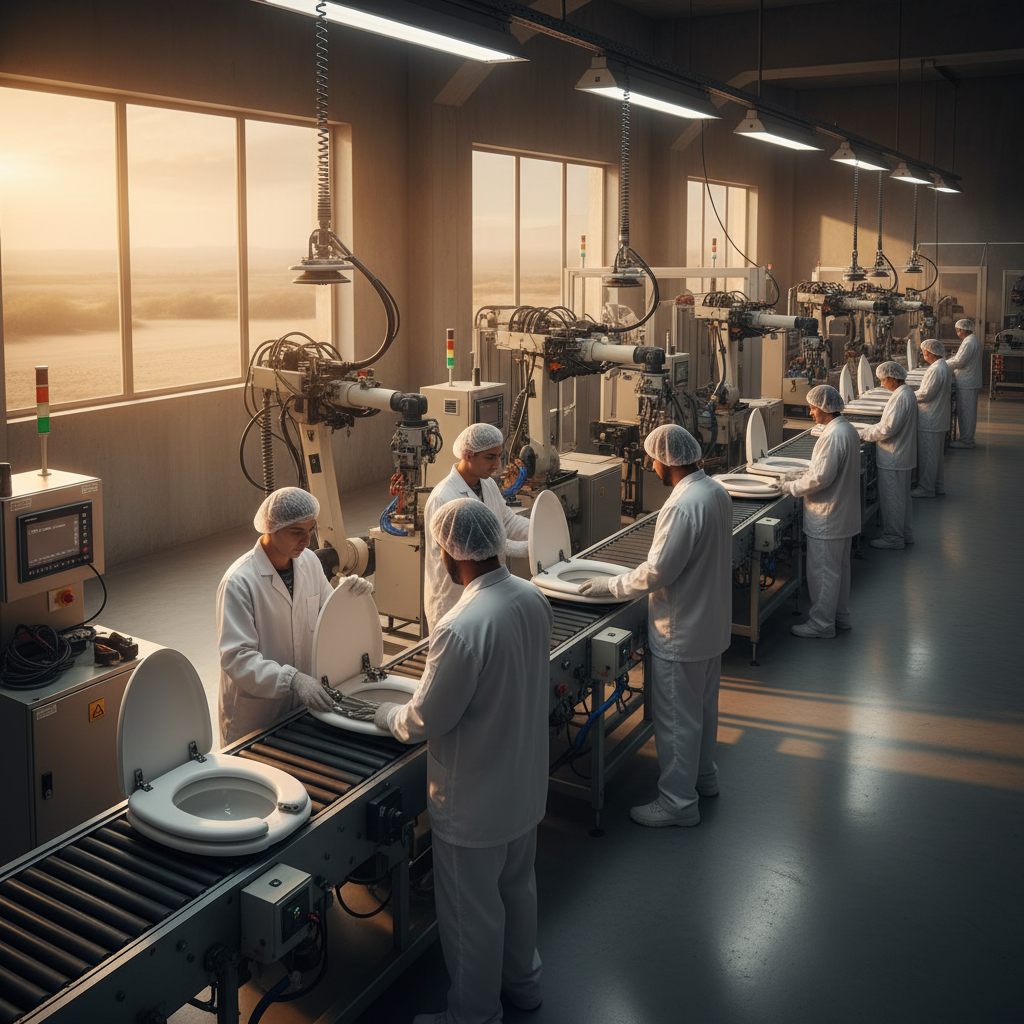
Top Toilet Seat Suppliers for UAE Hotels & Property Developers
Discover leading toilet seat suppliers for UAE hotels and property developers, focusing on quality, durability, and design. Learn how to choose the best toilet seats for commercial projects in the Middle East, including insights into materials, features, and certifications. Jell Group offers premium solutions for the discerning UAE market.
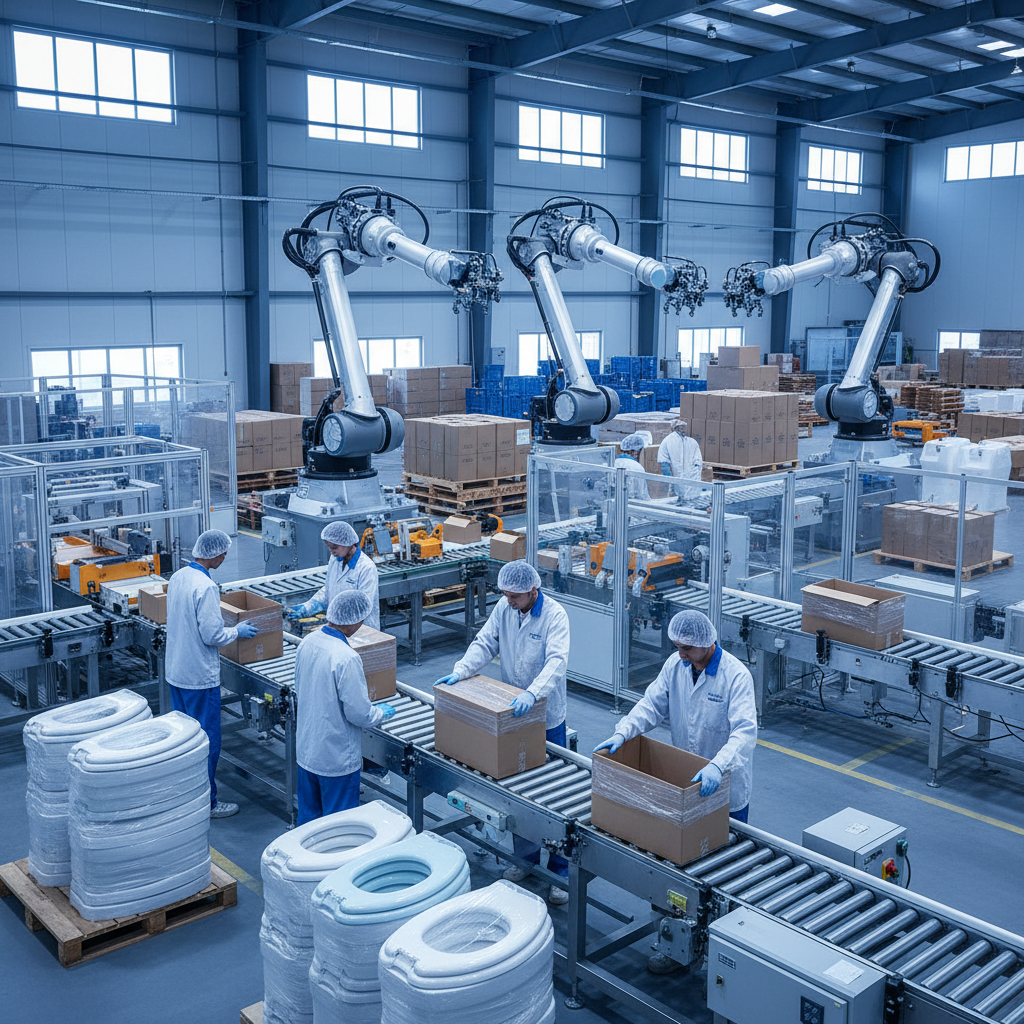
Wholesale Toilet Seat Distribution in Dubai: Opportunities & Suppliers
Explore the thriving market for wholesale toilet seat distribution in Dubai, a key hub for construction and luxury. Understand market dynamics, find reliable suppliers like Jell Group, and capitalize on significant growth opportunities for مقاعد مراحيض بالجملة دبي.
Private Label Toilet Seats in Europe: Build Your Own Brand from Factory to Shelf
Unlock the potential of private label toilet seats in the European market. This ultimate guide covers everything from manufacturing and customization with Jell Group to EU regulations, branding, distribution, and scaling your own successful bathroom product brand.
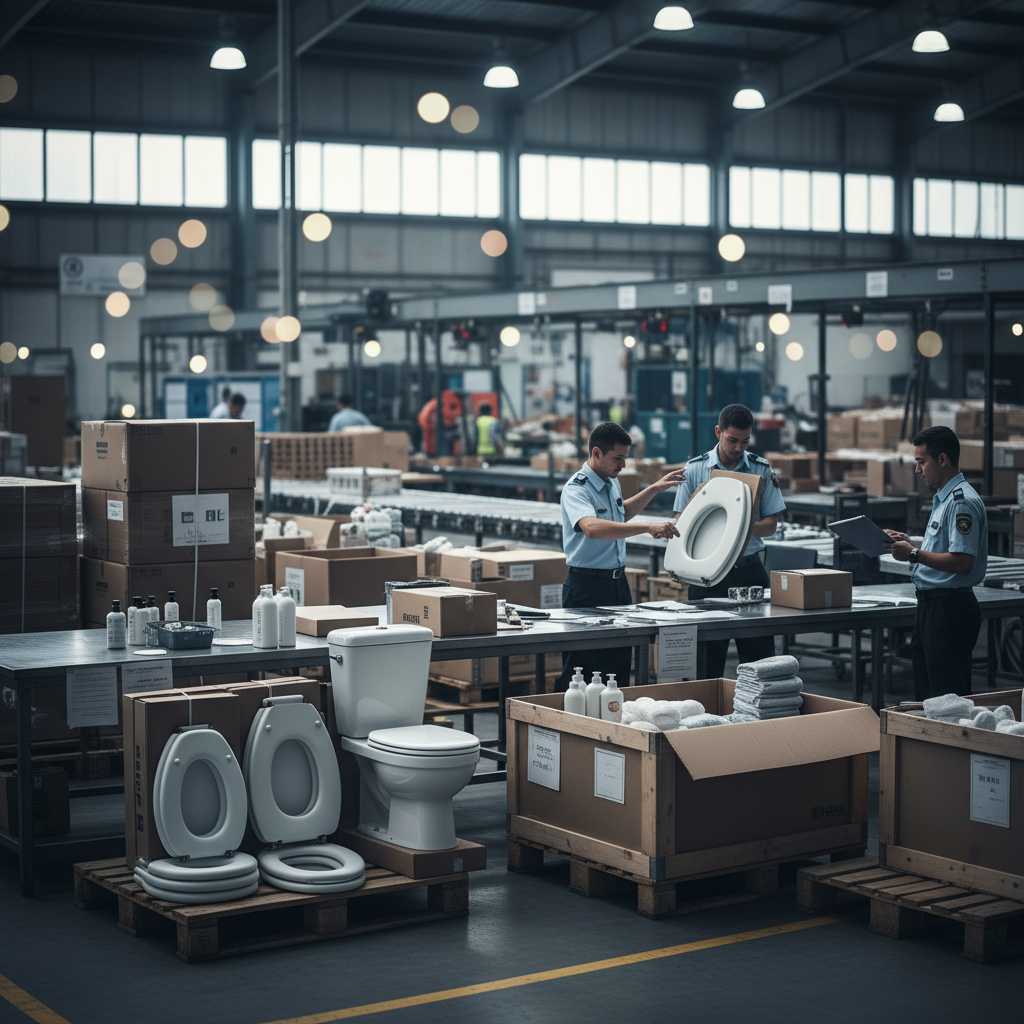
GCC Toilet Seat Market Trends 2025-2026: Growth Drivers & Opportunities
Explore the evolving GCC toilet seat market trends for 2025-2026, driven by urbanization, luxury tourism, and smart home integration. Discover key growth drivers and opportunities for B2B buyers.