MDF Toilet Seats: A Smart Choice for European Distributors – Features, Benefits, and Why Jell Group is Your Ideal Partner
In the competitive landscape of bathroom fittings, selecting the right toilet seat material is crucial for distributors aiming to offer quality, value, and aesthetic appeal to their customers. For European distributors, the demand for reliable, stylish, and cost-effective solutions is ever-present. This is where MDF toilet seats, also known as moulded wood toilet seats or MDF WC-Sitz, emerge as a compelling option. Offering a unique blend of durability, design versatility, and affordability, MDF seats are increasingly capturing market share. This comprehensive guide delves into the features and benefits of MDF toilet seats, highlighting why partnering with a reputable manufacturer like Jell Group, a leading toilet seat manufacturer in China established in 2009, is a strategic advantage for European distributors.
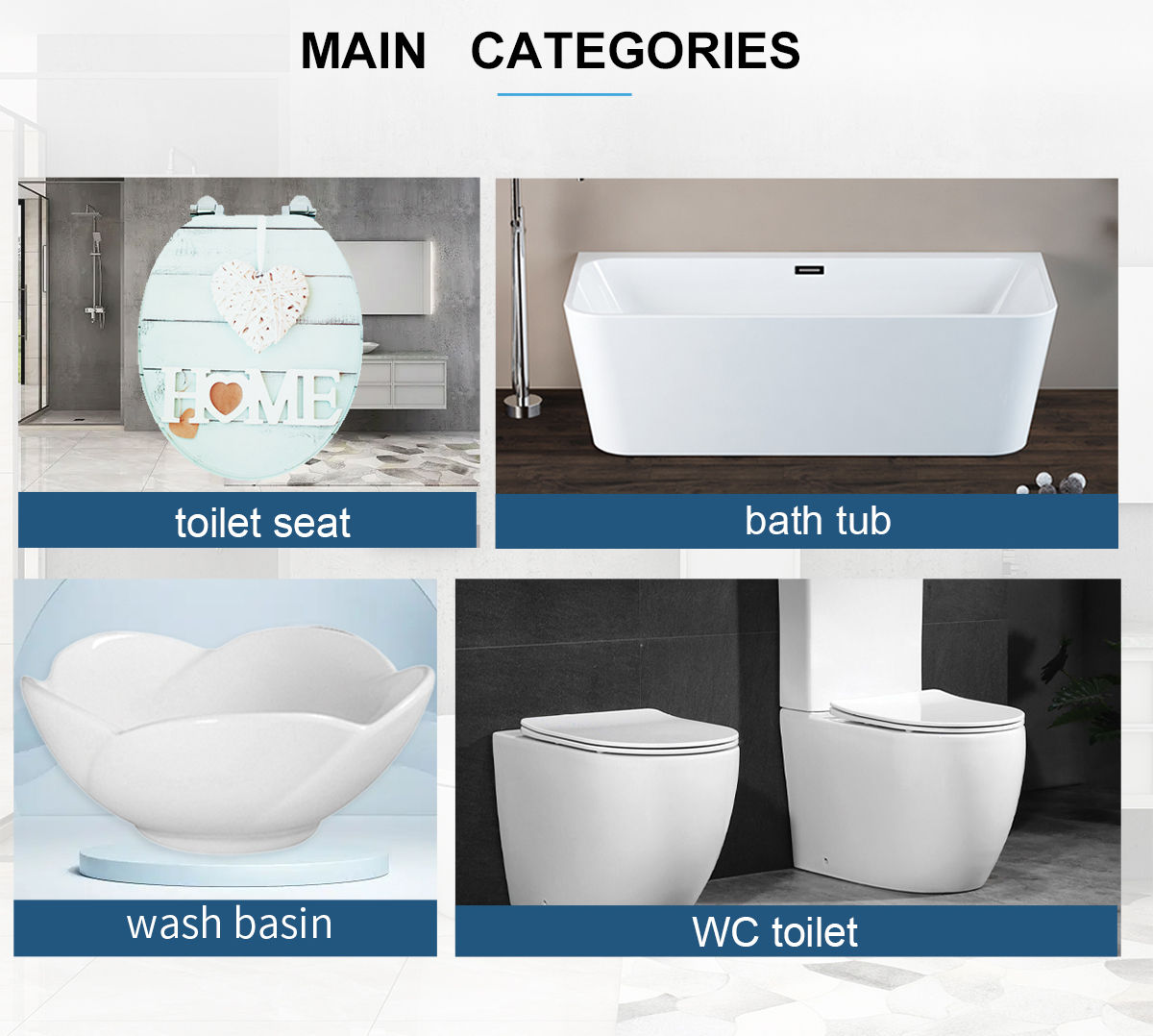
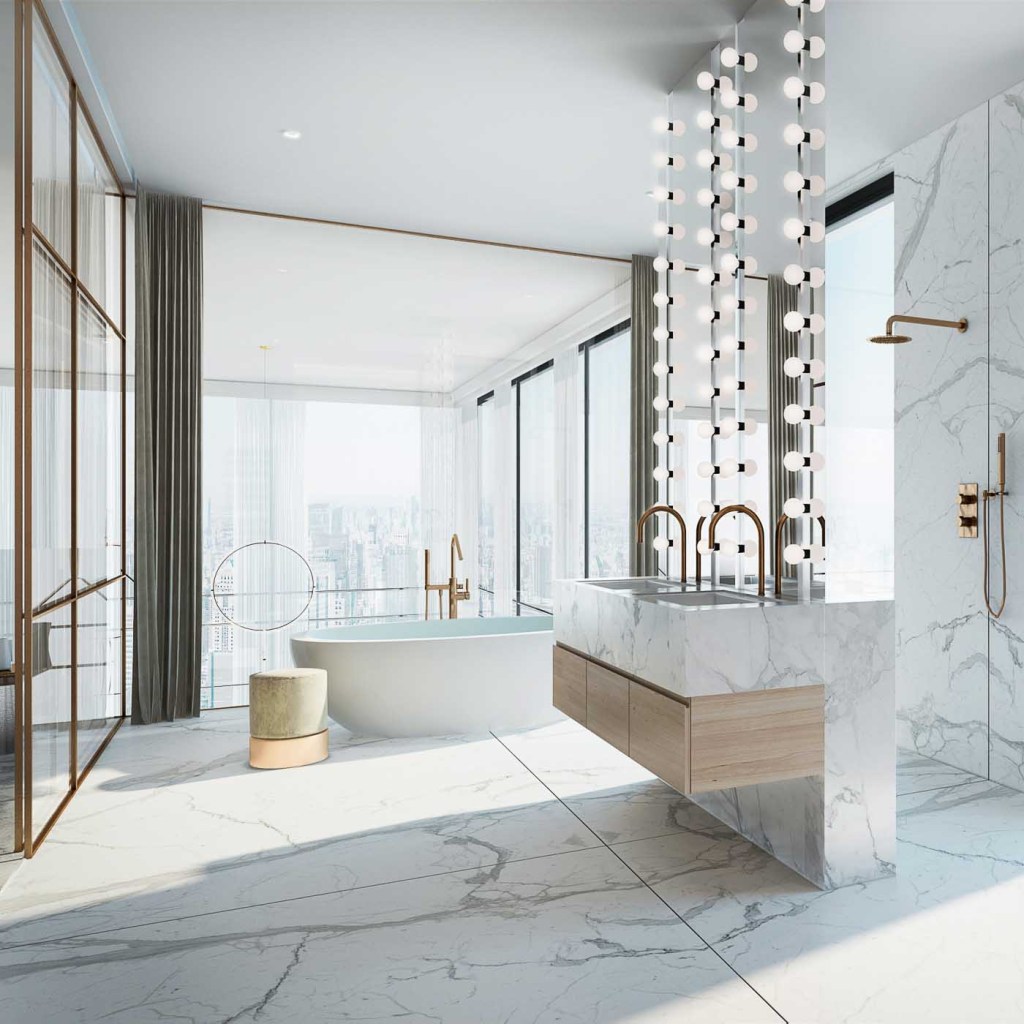
What Exactly is an MDF Toilet Seat?
MDF, or Medium-Density Fibreboard, is an engineered wood product manufactured from wood fibres, resins, and wax, formed into panels by applying high temperature and pressure. For toilet seats, MDF is typically moulded into the desired shape, then sanded smooth and finished with a durable coating. This process results in a solid, uniform core that is less prone to warping or cracking than solid wood. The smooth surface is then often coated with a high-gloss lacquer or a protective plastic film, providing a hygienic, easy-to-clean surface that mimics the appearance of ceramic or high-quality plastic.
Unlike traditional solid wood toilet seats, MDF offers a consistent density throughout, eliminating knots and grain variations that can be weak points. This uniformity contributes significantly to the durability and longevity of the final product. The manufacturing process allows for intricate designs and shapes, making moulded wood toilet seats a versatile choice for various bathroom aesthetics.
Key Features of MDF Toilet Seats
The appeal of MDF toilet seats lies in a combination of inherent material properties and manufacturing advantages. For European distributors, understanding these features is key to marketing and selling these products effectively:
- Uniformity and Density: MDF provides a consistent density across the entire seat, ensuring structural integrity and preventing weak spots. This uniformity makes them robust and less susceptible to damage during transit or regular use.
- Smooth Surface Finish: The moulding and sanding process results in an exceptionally smooth surface, which is ideal for applying high-quality coatings. This leads to a premium feel and excellent hygiene, as there are no pores for bacteria to accumulate.
- Design Flexibility: MDF can be moulded into a wide array of shapes and designs, from classic ovals to more contemporary, ergonomic forms. This allows manufacturers to cater to diverse market trends and customer preferences.
- Durability and Stability: When properly manufactured and finished, MDF toilet seats offer excellent durability. They are resistant to warping, cracking, and chipping, especially when compared to some lower-quality solid wood alternatives. The stable nature of MDF means it holds its shape well over time.
- Hygienic Properties: The non-porous surface, especially when coated with lacquer or plastic, makes MDF toilet seats very easy to clean and disinfect. This is a critical selling point for hygiene-conscious consumers and commercial clients.
- Aesthetic Versatility: MDF can be finished in virtually any colour, pattern, or texture. This includes high-gloss white, matte finishes, wood grain effects, and even custom printed designs, allowing for seamless integration into any bathroom décor.
- Cost-Effectiveness: Compared to solid wood or high-end thermoplastics like Duroplast, MDF offers a more accessible price point without compromising significantly on quality or aesthetics. This allows distributors to offer competitive pricing.
The Benefits for European Distributors
For distributors operating in the European market, MDF toilet seats present a multitude of advantages that can drive sales and customer satisfaction. Jell Group, with its extensive experience and commitment to quality, ensures these benefits are realized.
1. Enhanced Product Range and Market Appeal
Offering MDF toilet seats expands your product portfolio, allowing you to cater to a broader customer base. Whether a client seeks a budget-friendly option or a stylish, modern upgrade, MDF seats can meet their needs. The variety of designs and finishes available means you can stock products that align with the latest European bathroom design trends, from minimalist aesthetics to more traditional looks.
2. Competitive Pricing and Profit Margins
The cost-effectiveness of MDF manufacturing translates into competitive retail prices. This allows distributors to achieve attractive profit margins while remaining competitive in a price-sensitive market. By sourcing from a high-volume, efficient manufacturer like Jell Group, distributors can benefit from economies of scale, further enhancing their purchasing power and profitability.
3. Durability and Reduced Returns
A key concern for any distributor is product reliability and minimizing returns. High-quality MDF toilet seats, when manufactured to stringent standards, are durable and long-lasting. This reduces the likelihood of customer complaints and returns due to defects or premature wear and tear. Jell Group's commitment to quality control and certifications like TUV and BSCI ensures that the MDF toilet seats you receive meet high durability expectations.
4. Ease of Maintenance and Customer Satisfaction
The hygienic and easy-to-clean nature of MDF seats is a significant benefit for end-users. This translates to higher customer satisfaction as the product remains functional and aesthetically pleasing with minimal effort. Distributors can leverage this ease of maintenance in their marketing efforts, appealing to consumers who value practicality.
5. Sustainability and Compliance (FSC Certified Options)
While MDF is an engineered product, responsible sourcing is paramount. Leading manufacturers like Jell Group often utilize wood fibres from sustainably managed forests, and some may offer FSC (Forest Stewardship Council) certified options. Compliance with environmental regulations is increasingly important in the European market, and offering certified products can be a significant competitive advantage. Jell Group's adherence to standards like FSC, CARB, and CE demonstrates a commitment to responsible manufacturing.
6. OEM/ODM Opportunities for Brand Differentiation
For distributors looking to build their own brand, Jell Group offers robust OEM (Original Equipment Manufacturer) and ODM (Original Design Manufacturer) services. This allows you to customize MDF toilet seats with your branding, specific design elements, or unique finishes. This level of customization is invaluable for creating a distinct market presence and fostering brand loyalty.
Comparing MDF Toilet Seats to Other Materials
To fully appreciate the benefits of MDF, it's helpful to compare it with other common toilet seat materials:
| Feature | MDF Toilet Seat | Solid Wood Toilet Seat | Plastic (PP) Toilet Seat | Urea-Formaldehyde (UF) Toilet Seat |
|---|---|---|---|---|
| Durability | Good to Very Good (uniform, less prone to warping than some solid wood) | Variable (depends on wood type, can be prone to warping/cracking) | Good (can be brittle, prone to scratching) | Very Good (hard, scratch-resistant, durable) |
| Aesthetics | High (smooth finish, versatile coatings, many designs) | Natural, premium feel (wood grain) | Basic to good (can look cheap if not high quality) | High (glossy, ceramic-like appearance) |
| Design Flexibility | Excellent (mouldable) | Good (limited by natural wood shapes) | Good (mouldable, but can be limited in intricate designs) | Excellent (mouldable) |
| Hygiene | Very Good (non-porous finish) | Fair to Good (pores can harbour bacteria if not sealed properly) | Good (easy to clean, but can scratch) | Excellent (very hard, non-porous, scratch-resistant) |
| Cost | Medium | Medium to High | Low to Medium | Medium to High |
| Weight | Medium | Medium to Heavy | Light | Medium to Heavy |
| Environmental Impact | Uses wood fibres; sourcing can be sustainable (e.g., FSC) | Potential for deforestation if not sourced responsibly | Petroleum-based; recycling can be challenging | Uses resins; production can have environmental considerations |
As the table illustrates, MDF toilet seats strike an excellent balance between aesthetics, durability, and cost. They often surpass basic plastic seats in appearance and feel, and offer more consistent quality and design flexibility than many solid wood options, at a more accessible price point. While Urea-Formaldehyde (UF) seats offer superior hardness and scratch resistance, MDF seats can provide a warmer, more substantial feel and are often preferred for their aesthetic versatility and cost-effectiveness.
Jell Group: Your Trusted Partner for MDF Toilet Seats
Established in 2009, Jell Group has grown to become a leading toilet seat manufacturer in China, renowned for its commitment to quality, innovation, and customer satisfaction. Our specialization in MDF, UF, and PP toilet seats, combined with extensive OEM/ODM capabilities, makes us the ideal partner for European distributors seeking reliable and high-quality products.
Why Choose Jell Group?
- Extensive Experience: Over a decade of manufacturing expertise ensures we understand the nuances of producing top-tier toilet seats.
- Quality Assurance: We hold numerous certifications, including FSC, BSCI, TUV, CARB, and CE, guaranteeing our products meet stringent international quality and safety standards. Our rigorous quality control processes are embedded at every stage of production.
- State-of-the-Art Manufacturing: Our facilities utilize advanced technology to produce consistent, high-quality MDF toilet seats. We leverage our expertise in moulding, finishing, and quality testing to deliver superior products.
- Logistical Efficiency: With EU warehouses located in Germany and Poland, Jell Group ensures swift and efficient delivery to our European clients, minimizing lead times and simplifying logistics.
- OEM/ODM Expertise: We excel at collaborating with clients to develop custom toilet seat solutions. Whether you need unique designs, specific finishes, or branded products, our team is equipped to bring your vision to life.
- Commitment to Sustainability: We are committed to responsible manufacturing practices, including the use of sustainably sourced materials where possible and adherence to environmental regulations.
Our diverse product range includes a wide variety of MDF toilet seats, each designed to meet the high expectations of the European market. From classic designs to bespoke solutions, Jell Group is dedicated to providing distributors with products that offer excellent value and performance.
Marketing MDF Toilet Seats to European Consumers
As a distributor, effectively marketing MDF toilet seats to your end customers is key. Here are some points to emphasize:
- “The Best of Both Worlds” Appeal: Position MDF seats as offering the aesthetic warmth of wood with the practical benefits and durability of modern materials.
- Hygienic and Easy to Clean: Highlight the smooth, non-porous surface and how easy it is to maintain hygiene in the bathroom.
- Design Versatility: Showcase the wide range of available finishes, colours, and styles that can complement any bathroom décor.
- Value for Money: Emphasize the excellent balance of quality, durability, and price, making them a smart investment for homeowners.
- Durability and Longevity: Reassure customers that a well-made MDF seat is a long-lasting addition to their bathroom.
- Environmental Considerations: If applicable, mention sustainably sourced materials or certifications to appeal to eco-conscious consumers.
Conclusion
MDF toilet seats represent a significant opportunity for European distributors. They offer a compelling combination of aesthetic appeal, robust durability, hygienic properties, and cost-effectiveness. By understanding the unique features and benefits of this material, distributors can confidently integrate them into their product offerings and meet the diverse demands of the European market.
Partnering with a reputable and experienced manufacturer like Jell Group is paramount to ensuring product quality and supply chain reliability. Our certifications, commitment to quality control, extensive OEM/ODM capabilities, and efficient logistics, including EU warehouses, position us as the ideal supplier for your MDF toilet seat needs. We invite you to explore our product range and discover how Jell Group can help you succeed in the competitive bathroom fittings market. Contact us today to discuss your specific requirements and learn more about our MDF toilet seat solutions.
Frequently Asked Questions about MDF Toilet Seats
What is the main advantage of an MDF toilet seat over a plastic one?
The primary advantages of an MDF toilet seat over a standard plastic (PP) seat often lie in its superior aesthetics and perceived quality. MDF can be moulded into more intricate shapes and finished with high-gloss lacquers or realistic wood-grain effects, offering a warmer, more substantial feel that mimics higher-end materials. While good quality plastic seats are durable, MDF often provides a more premium look and feel at a comparable or slightly higher price point, offering better value for certain market segments.
Are MDF toilet seats durable and long-lasting?
Yes, when manufactured to high standards, MDF toilet seats are very durable and long-lasting. The uniform density of MDF prevents weak spots common in natural wood, making it resistant to cracking and warping. The smooth, sealed surface is also resistant to chipping and wear, especially when coated with robust lacquers or protective films. Jell Group's commitment to quality control and certifications like TUV ensures that our MDF seats meet rigorous durability standards expected by the European market.
How do I clean and maintain an MDF toilet seat?
Cleaning an MDF toilet seat is straightforward. Due to their smooth, non-porous finish, they are easy to wipe clean. Use a damp cloth with mild soap or a non-abrasive household cleaner. Avoid using harsh chemicals, abrasive scouring pads, or solvents, as these can damage the finish. Thoroughly dry the seat after cleaning. Regular, gentle cleaning will ensure the longevity and hygiene of your MDF toilet seat.
Are MDF toilet seats environmentally friendly?
The environmental impact of MDF toilet seats depends on the manufacturing process and sourcing of materials. MDF is made from wood fibres, often utilizing by-products from the timber industry. Responsible manufacturers, like Jell Group, prioritize sustainable sourcing and may offer FSC (Forest Stewardship Council) certified options, indicating that the wood comes from responsibly managed forests. While engineered wood products require energy for production, they can be a more sustainable choice than virgin solid wood if sourced correctly, and they avoid the reliance on petroleum-based plastics. Compliance with regulations like CARB (California Air Resources Board) ensures low formaldehyde emissions, further enhancing their environmental and health profile.
blog.relatedArticles
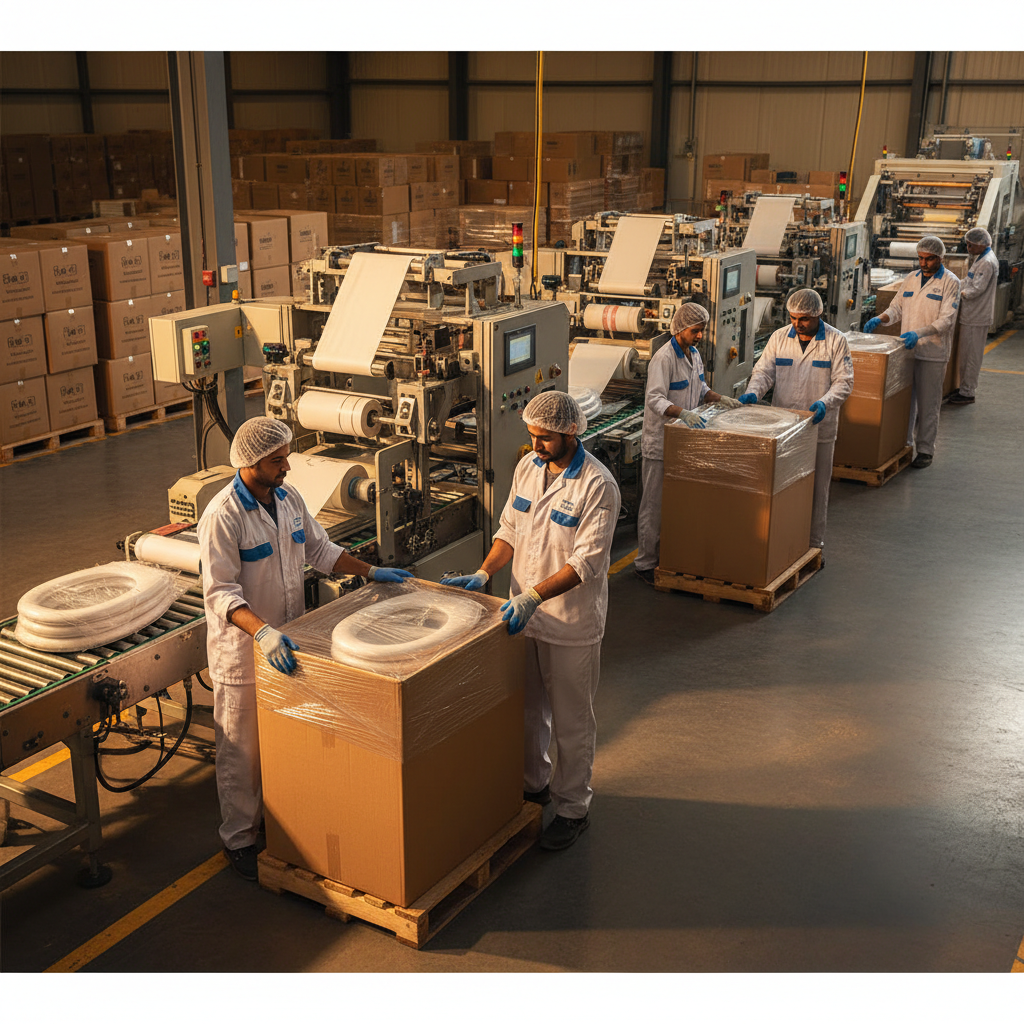
Top Toilet Seat Suppliers for Saudi Arabian Construction Projects
Discover the leading toilet seat suppliers for Saudi Arabian construction projects, focusing on quality, durability, and compliance with regional standards. Learn how to choose the best مورد مقاعد المراحيض السعودية for your needs.
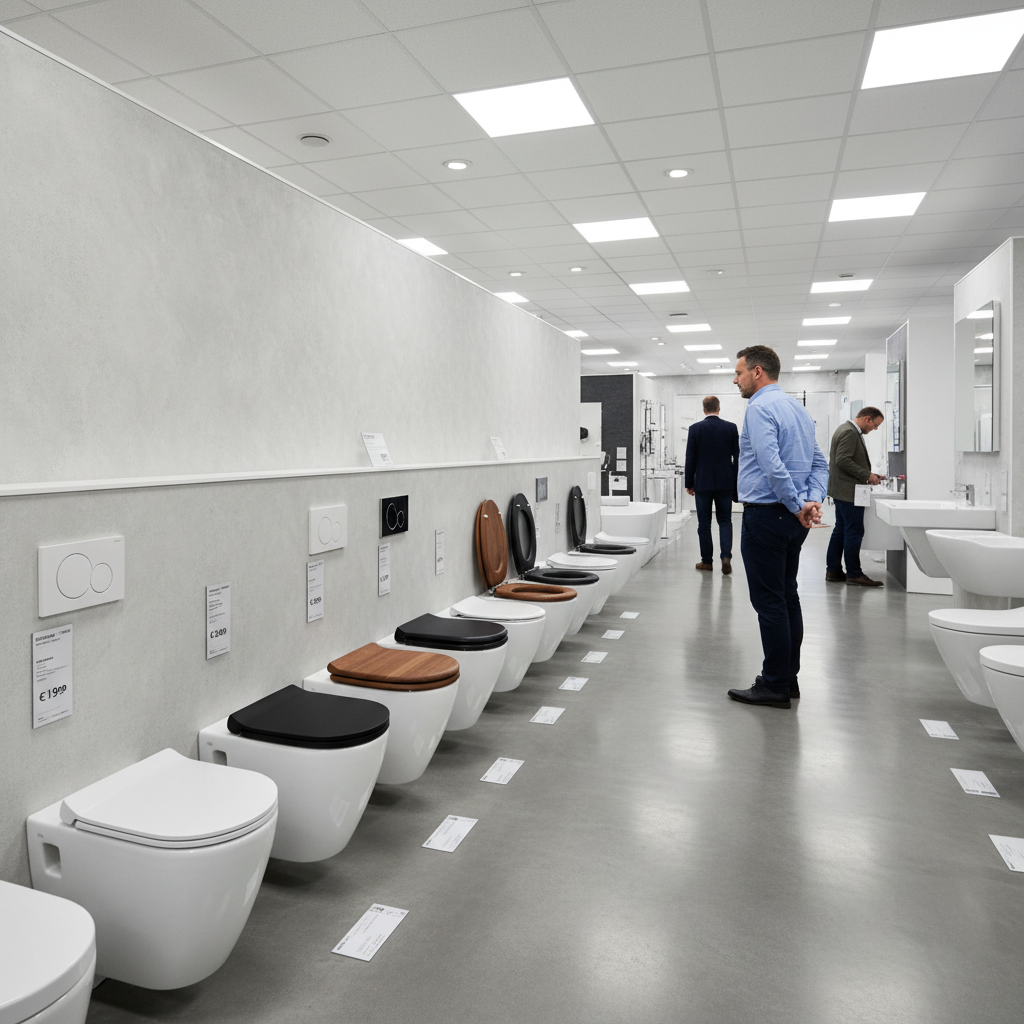
Importing Bathroom Fixtures to the Middle East: Regulations & Logistics
Navigating the complexities of importing bathroom fixtures to the Middle East requires understanding diverse regulations, logistics, and quality standards. This guide provides essential insights for B2B buyers.
Reliable Toilet Seat Suppliers for Kuwait's Residential & Commercial Projects
Discover how to choose reliable toilet seat suppliers for Kuwait's dynamic residential and commercial construction sectors. Learn about key factors like quality, certifications, and logistics, and why Jell Group is a trusted partner for your projects in Kuwait.
Top Toilet Seat Suppliers for Oman's Construction & Hospitality Sectors
Discover leading toilet seat suppliers for Oman's booming construction and hospitality industries. Learn about material choices, quality standards, and how Jell Group offers reliable, certified solutions for your projects in Oman.