Navigating CE Marking Requirements for Toilet Seats in the EU Market: A Comprehensive Guide for B2B Buyers
For distributors, retailers, and importers looking to supply the robust European Union market with toilet seats, understanding and complying with CE marking requirements for toilet seats is not just a recommendation—it's a legal imperative. The CE mark signifies that a product meets the essential health, safety, and environmental protection requirements of relevant EU directives. Without it, your products cannot legally be placed on the EU market. This comprehensive guide will demystify the process, providing B2B buyers with the knowledge needed to ensure their supply chain, from manufacturing to sale, is fully compliant.
The European market, with its diverse consumer base and high standards, offers immense opportunities. However, these opportunities come with stringent regulatory frameworks designed to protect consumers and the environment. For toilet seats, while they might seem like simple sanitary ware, their compliance journey involves specific directives and harmonized standards that must be meticulously followed. As a leading toilet seat manufacturer, Jell Group understands these complexities intimately, helping our B2B partners navigate this landscape with confidence.
What is CE Marking and Why is it Crucial for Toilet Seats?
The CE marking (an acronym for 'Conformité Européenne', meaning 'European Conformity') is a mandatory conformity mark for many products placed on the single market in the European Economic Area (EEA). It indicates that the product complies with applicable EU legislation, allowing its free movement within the EEA. For toilet seats, this mark isn't just a label; it's a declaration by the manufacturer that the product meets all relevant essential requirements of the applicable EU directives.
- Legal Requirement: Selling non-CE marked products that fall under CE directives in the EU is illegal and can lead to severe penalties, including fines, product recalls, and even imprisonment.
- Market Access: It acts as a 'passport' for your products, enabling them to be sold across all 27 EU member states, as well as Iceland, Liechtenstein, and Norway.
- Consumer Confidence: The CE mark assures consumers and authorities that the product meets high safety and environmental standards.
- Fair Competition: It ensures a level playing field by requiring all manufacturers to adhere to the same standards.
Understanding the specific toilet seat CE marking requirements is paramount for any B2B entity involved in the supply chain. It’s not enough for the manufacturer to claim compliance; there must be documented proof and a clear process in place.
Key EU Directives and Regulations Applicable to Toilet Seats
While there isn't a single 'toilet seat directive,' several overarching EU regulations and directives can apply, depending on the specific features and materials of the toilet seat. The primary directive to consider for sanitary ware is often the Construction Products Regulation (CPR) (EU) No 305/2011, especially if the toilet seat is considered an integral part of a construction work. However, for standalone toilet seats, other directives may be more relevant, particularly concerning materials and electrical components.
1. General Product Safety Directive (GPSD) 2001/95/EC
This directive ensures that products placed on the market are safe. While not specific to toilet seats, it acts as a safety net for all consumer products. If a toilet seat poses a risk, it falls under the GPSD. This covers aspects like structural integrity, pinch points, and chemical safety of materials.
2. REACH Regulation (EC) No 1907/2006
REACH (Registration, Evaluation, Authorisation, and Restriction of Chemicals) is a cornerstone of EU chemical legislation. It aims to improve the protection of human health and the environment from the risks that can be posed by chemicals. For toilet seats, this means:
- Material Composition: Ensuring that materials like UF (Urea-Formaldehyde), PP (Polypropylene), MDF (Medium-Density Fibreboard), and any coatings or adhesives do not contain restricted substances above specified thresholds.
- SVHCs (Substances of Very High Concern): Manufacturers must declare if their products contain SVHCs above 0.1% weight by weight.
- Chemical Migration: Especially relevant for materials that come into prolonged skin contact or are in a humid environment.
3. RoHS Directive 2011/65/EU (Restriction of Hazardous Substances)
The RoHS directive restricts the use of specific hazardous materials found in electrical and electronic products. While traditional toilet seats are non-electrical, smart bidet toilet seats fall directly under this directive. This means:
- Restricted Substances: Limiting lead, mercury, cadmium, hexavalent chromium, polybrominated biphenyls (PBB), and polybrominated diphenyl ethers (PBDE), and four phthalates (DEHP, BBP, DBP, DIBP).
- Compliance Documentation: Manufacturers of smart bidet toilet seats must provide technical documentation proving compliance, including material declarations from suppliers.
4. EMC Directive 2014/30/EU (Electromagnetic Compatibility)
Again, primarily for smart bidet toilet seats, this directive ensures that electrical and electronic equipment does not generate or is not affected by electromagnetic disturbance. This means the bidet seat should not interfere with other electronic devices and should itself be immune to common electromagnetic interference.
5. Low Voltage Directive (LVD) 2014/35/EU
Applicable to electrical equipment designed for use with a voltage rating between 50 and 1000 V for alternating current and between 75 and 1500 V for direct current. Smart bidet toilet seats often fall within these voltage ranges, requiring compliance with LVD to ensure electrical safety.
6. Water Regulations (e.g., KTW, WRAS, ACS)
While not directly part of CE marking, for toilet seats with integrated bidet functions or those that interact with the water supply, national or regional water regulations are critical. For example, in Germany, the KTW guideline (Kunststoffe und Trinkwasser – Plastics and Drinking Water) is relevant for materials in contact with drinking water. In the UK, WRAS (Water Regulations Advisory Scheme) approval is often required. France has ACS (Attestation de Conformité Sanitaire). These ensure that materials do not contaminate drinking water. Jell Group ensures that materials used in our smart bidet toilet seats are compliant with these stringent standards where applicable.

Harmonized Standards: The Backbone of CE Compliance for Toilet Seats
Harmonized standards are specific technical specifications developed by European standardization bodies (CEN, CENELEC, ETSI). Compliance with these standards provides a 'presumption of conformity' with the essential requirements of the relevant directives. For toilet seats, several standards are particularly important:
- EN 997:2018 - WC pans and WC suites with integral trap: While this standard primarily covers the WC pan itself, aspects related to the interface with the toilet seat, stability, and load-bearing capacity can be indirectly relevant.
- EN 1717:2000 - Protection against pollution of potable water in water installations and general requirements of devices to prevent pollution by backflow: Crucial for bidet functions to prevent backflow contamination of drinking water.
- EN 14688:2018 - Sanitary appliances - Wash basins - Functional requirements and test methods: While for wash basins, the testing methodologies for material durability, chemical resistance, and load-bearing can be adapted or referenced for toilet seat materials.
- EN ISO 22868:2019 - Plastics piping systems - Thermoplastics pipes and fittings for hot and cold water installations - Test method for the resistance to internal pressure at constant elevated temperature: Relevant for water-carrying components in smart bidet seats.
- For Electrical Components (Smart Bidet Seats):
- EN 60335 series - Household and similar electrical appliances – Safety: Specifically, parts like EN 60335-2-84 (for toilet seats with water heating) or EN 60335-2-105 (for multi-functional shower toilets) are highly relevant.
- EN 55014 series - Electromagnetic compatibility – Requirements for household appliances, electric tools and similar apparatus: For EMC compliance.
A manufacturer's Declaration of Conformity (DoC) will explicitly list the harmonized standards applied to demonstrate compliance with the relevant directives. As a B2B buyer, requesting and reviewing this DoC is a critical step in your due diligence.
The CE Marking Process for Toilet Seats: A Step-by-Step Guide for Manufacturers and Importers
The journey to CE marking is a structured process that requires diligent attention to detail. For B2B buyers, understanding each step helps in evaluating potential suppliers and ensuring robust compliance.
Step 1: Identify Applicable Directives and Harmonized Standards
The first step is to determine which EU directives and harmonized standards apply to the specific toilet seat product. This depends on its features, materials, and intended use. For example, a basic MDF toilet seat will have different requirements than a sophisticated smart bidet toilet seat with heating and washing functions.
Step 2: Determine the Conformity Assessment Procedure
Most toilet seats, especially non-electrical ones, can follow a self-declaration procedure (Module A – Internal Production Control). This means the manufacturer takes full responsibility for conformity. However, for smart bidet toilet seats, particularly those with complex electrical systems or safety-critical functions, involvement of a Notified Body might be required for certain modules (e.g., Module B – EU Type-Examination, Module C – Conformity to Type). A Notified Body is an organization designated by an EU country to assess the conformity of certain products before being placed on the market.
Step 3: Conduct Testing and Risk Assessment
This is where the product is rigorously tested against the identified harmonized standards. This includes:
- Material Testing: Chemical composition (REACH, RoHS), durability, resistance to cleaning agents, flammability.
- Mechanical Testing: Load-bearing capacity, hinge durability, impact resistance, stability.
- Electrical Safety Testing (for smart bidet seats): Insulation resistance, dielectric strength, leakage current, earth continuity, overheating, protection against electric shock (LVD).
- EMC Testing (for smart bidet seats): Emission and immunity tests (EMC Directive).
- Water Safety Testing (for smart bidet seats): Backflow prevention, material compatibility with drinking water (e.g., KTW, WRAS, ACS).
- Risk Assessment: Identifying potential hazards associated with the product's use and designing measures to mitigate them. This covers everything from pinch points in hinges to electrical faults in smart seats.
Jell Group, as a dedicated toilet seat manufacturer, operates its own advanced testing laboratories and collaborates with internationally recognized third-party testing bodies to ensure all products meet or exceed these stringent requirements.
Step 4: Compile the Technical File (Technical Documentation)
The technical file is a comprehensive dossier containing all information necessary to demonstrate that the product conforms to the applicable requirements. It must be kept for at least 10 years after the last product has been placed on the market. Key contents include:
- General description of the product.
- Design and manufacturing drawings.
- List of harmonized standards applied.
- Test reports and results.
- Risk assessment report.
- User manuals and instructions.
- List of components and materials used, with their own compliance documentation.
- Declaration of Conformity (DoC).
Step 5: Draw up the EU Declaration of Conformity (DoC)
The DoC is a formal document signed by the manufacturer (or authorized representative) stating that the product complies with all relevant EU directives and standards. It must contain specific information:
- Product identification (model, type, serial number).
- Name and address of the manufacturer.
- List of applied directives and harmonized standards.
- Reference to the Notified Body (if applicable).
- Signature and position of the person authorized to sign.
Step 6: Affix the CE Mark
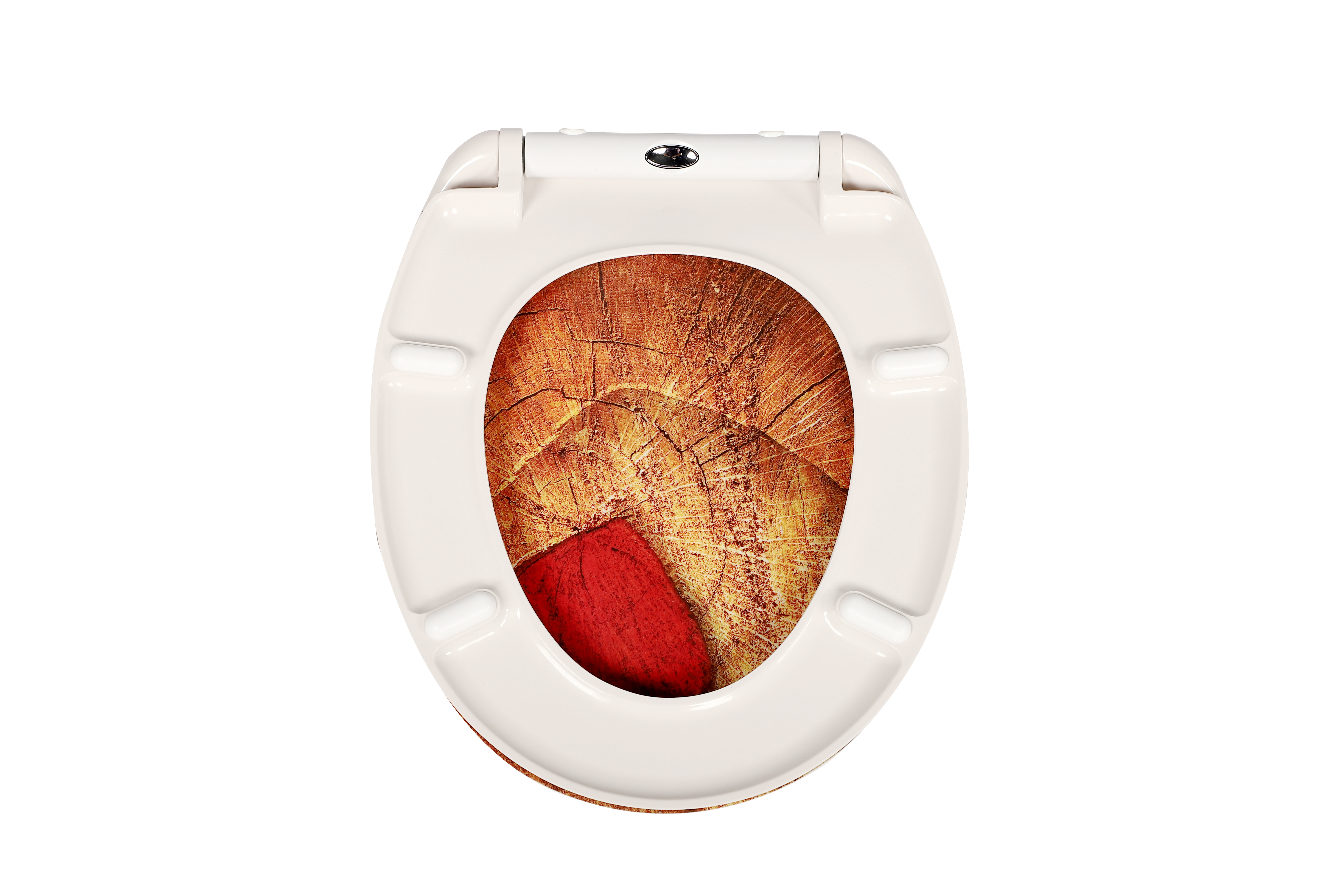
Once all steps are completed and conformity is assured, the CE mark must be affixed visibly, legibly, and indelibly to the product itself, its packaging, or the accompanying documentation. For toilet seats, it's typically found on the underside of the seat or on the packaging.
The Role of B2B Buyers: Due Diligence and Supply Chain Management
As an importer or distributor, you are not merely a reseller; you bear significant responsibility for ensuring the products you place on the EU market are compliant. This is often referred to as 'economic operator' responsibility.
- Verify CE Marking: Always check for the presence of the CE mark on the product and its packaging.
- Request Technical Documentation: Demand access to the manufacturer's Technical File and the EU Declaration of Conformity (DoC). Review these documents carefully to ensure they are complete and credible.
- Understand the Supply Chain: Know your manufacturer. A reputable manufacturer like Jell Group, established in 2009 with certifications like FSC, BSCI, ISO 9001, and TÜV, provides a strong foundation for compliance.
- Product Traceability: Ensure products have clear identification (type, batch, serial number) for traceability.
- Storage and Transport: Ensure that storage and transport conditions do not compromise the product's conformity.
- Market Surveillance: Be aware that market surveillance authorities in EU member states regularly check products for compliance. If a product is found non-compliant, you, as the importer/distributor, could be held responsible.
- Post-Market Monitoring: Establish procedures for handling complaints, non-conforming products, and product recalls.
Working with a manufacturer that has a proven track record in exporting to over 50 countries, and possesses warehouses in Germany (Mönchengladbach) and Poland (Łódź), significantly streamlines logistics and compliance checks for European buyers. Jell Group's commitment to quality and compliance is reflected in our robust internal processes and external certifications.
Specific Considerations for Different Toilet Seat Materials
The choice of material for a toilet seat directly impacts the toilet seat CE marking requirements, particularly concerning chemical safety and durability.
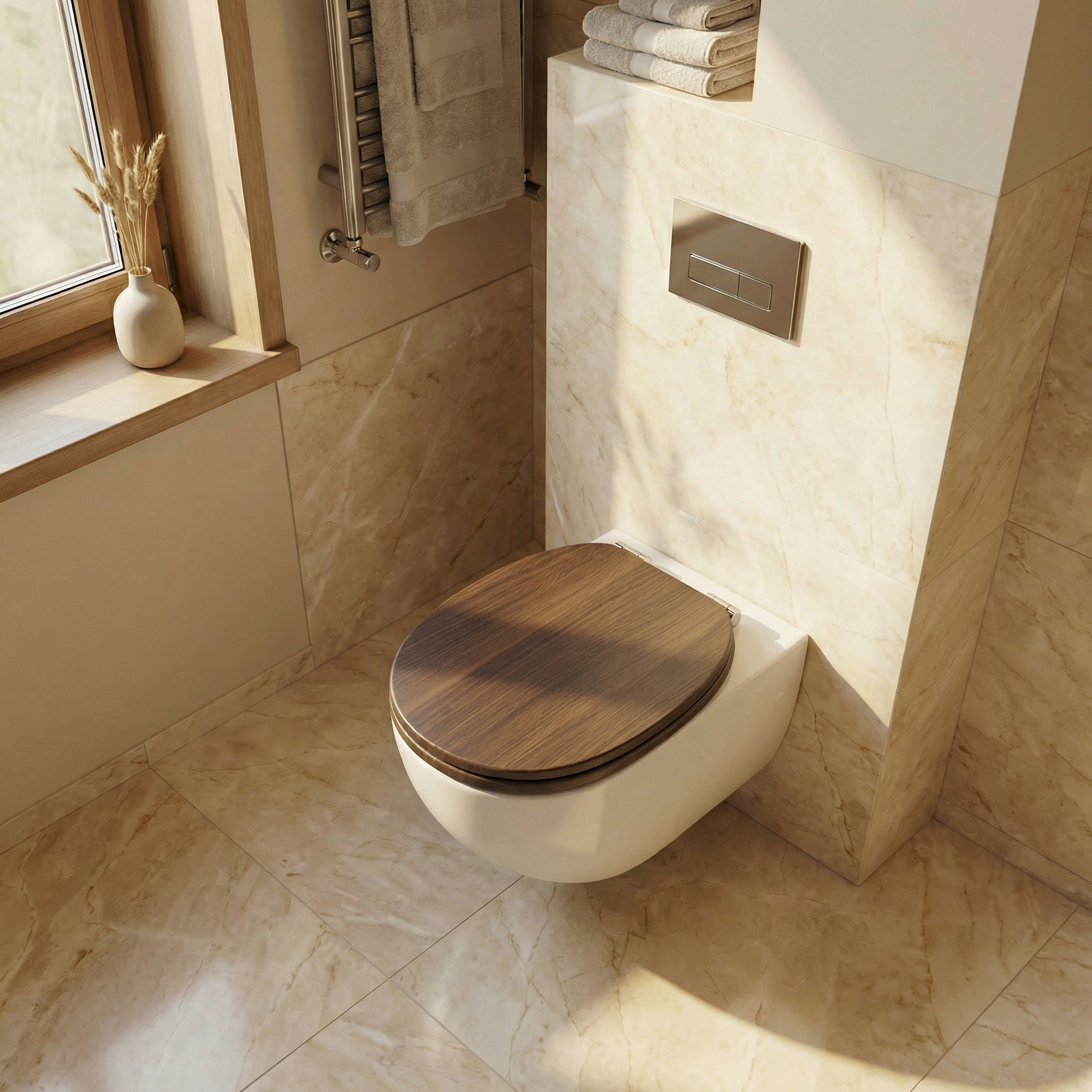
- MDF Toilet Seats: Made from Medium-Density Fibreboard, these seats are often coated. Compliance focuses on the formaldehyde emission levels of the MDF (often regulated by E1 or CARB P2 standards, which align with EU health requirements) and the chemical composition of the coatings (REACH). Durability and moisture resistance are also key.
- UF (Urea-Formaldehyde) Toilet Seats: Known for their ceramic-like feel, scratch resistance, and hygiene properties. Compliance here primarily involves ensuring the UF resin is free from restricted substances and that the material is robust enough to withstand typical use without cracking or discolouration. Jell Group's UF seats are rigorously tested for these properties.
- PP (Polypropylene) Toilet Seats: Lightweight and often more economical. Compliance focuses on the purity of the polypropylene, absence of heavy metals or phthalates (REACH), and mechanical strength. PP can be prone to scratching, so durability tests are important.
- Smart Bidet Toilet Seats: These are the most complex, combining material requirements with extensive electrical, electronic, and water safety regulations (RoHS, EMC, LVD, EN 60335 series, EN 1717, and national water regulations). Every component, from heating elements to circuit boards and nozzles, must be compliant.
Regardless of the material, Jell Group prioritizes the use of high-quality, safe raw materials that meet international and EU standards, ensuring that our products are inherently designed for compliance.
Beyond CE Marking: Other Important Certifications and Standards
While CE marking is mandatory, other certifications can significantly enhance a product's marketability and demonstrate a manufacturer's commitment to quality and sustainability.
- ISO 9001: A quality management system standard. Jell Group's ISO 9001 certification demonstrates our commitment to consistent quality and continuous improvement in our manufacturing processes.
- BSCI (Business Social Compliance Initiative): Focuses on social compliance and ethical business practices in the supply chain. This is increasingly important for European buyers concerned with corporate social responsibility. Jell Group is BSCI certified.
- FSC (Forest Stewardship Council): For MDF toilet seats, FSC certification ensures that the wood fiber used comes from responsibly managed forests, promoting environmental sustainability. Jell Group holds FSC certification for relevant products.
- TÜV: A German certification body that provides independent testing and product certification for safety and quality. TÜV certification adds an extra layer of assurance for market entry into Germany and other European countries. Jell Group's TÜV certification underscores our product reliability.
- National Water Approvals (e.g., WRAS, KTW, ACS): As mentioned, for bidet seats, these are critical for market acceptance in specific countries.
These additional certifications, alongside robust toilet seat CE marking requirements, paint a picture of a manufacturer dedicated to producing high-quality, safe, and ethically sourced products, making Jell Group an ideal partner for discerning B2B buyers.
Conclusion: Partnering for Compliance and Market Success
Navigating the intricate web of CE marking requirements for toilet seats in the EU market can seem daunting. However, with a clear understanding of the applicable directives, harmonized standards, and a robust conformity assessment process, B2B buyers can confidently source and supply compliant products. The onus is on both the manufacturer and the importer/distributor to ensure due diligence at every stage.
By partnering with an experienced and reputable manufacturer like Jell Group (Hubei Jell Sanitary Co., Ltd.), you gain access to a wealth of expertise in regulatory compliance, quality control, and efficient logistics. Our extensive experience since 2009, state-of-the-art manufacturing facilities, comprehensive certifications (FSC, BSCI, ISO 9001, TÜV), and strategic warehousing in Germany and Poland, position us as a reliable partner for your European market ambitions. We are committed to providing high-quality MDF, UF, PP, and smart bidet toilet seats that meet and exceed EU standards, ensuring your seamless market entry and sustained success.
Don't let regulatory hurdles deter your growth in the lucrative European market. Empower your business with compliant, high-quality products. Explore our product range today and contact us to discuss how Jell Group can be your trusted partner in achieving CE compliance and market leadership.
FAQ: Toilet Seat CE Marking Requirements
What does CE marking mean for a toilet seat?
The CE marking on a toilet seat signifies that the product meets the essential health, safety, and environmental protection requirements of all applicable European Union directives and regulations. It is a mandatory declaration by the manufacturer that the product complies with EU law, allowing it to be freely sold within the European Economic Area (EEA). For toilet seats, this typically involves compliance with directives like the General Product Safety Directive, REACH for chemical safety, and potentially RoHS, EMC, and LVD for smart bidet toilet seats.
Are all toilet seats required to have CE marking in the EU?
Yes, any toilet seat product that falls under the scope of one or more EU CE marking directives must bear the CE mark to be legally placed on the EU market. While a basic, non-electrical toilet seat primarily falls under general product safety and chemical regulations (like REACH), smart bidet toilet seats, due to their electrical and electronic components, are subject to additional directives such as RoHS, EMC, and LVD. Importers and distributors are legally responsible for ensuring the products they sell are CE marked and compliant.
What is the role of an importer/distributor in CE compliance for toilet seats?
As an importer or distributor, you are considered an 'economic operator' and have significant responsibilities regarding toilet seat CE marking requirements. Your role includes verifying that the toilet seat has the CE mark, ensuring the manufacturer has drawn up the correct EU Declaration of Conformity (DoC), and that the product is accompanied by the necessary technical documentation and instructions. You must also ensure product traceability, proper storage, and cooperate with market surveillance authorities if non-compliance issues arise. Partnering with a reputable manufacturer like Jell Group, which provides comprehensive compliance documentation, is crucial for mitigating these risks.
What kind of tests are performed for CE marking on toilet seats?
CE marking for toilet seats involves various tests depending on the product's type and features. Common tests include: Material testing for chemical composition (e.g., absence of restricted substances under REACH and RoHS), durability, resistance to cleaning agents, and flammability. Mechanical testing assesses load-bearing capacity, hinge durability, and impact resistance. For smart bidet toilet seats, extensive electrical safety testing (LVD), electromagnetic compatibility (EMC) testing, and water safety testing (e.g., backflow prevention, material compatibility with drinking water) are performed. All these tests are documented in the technical file to demonstrate conformity with harmonized standards.
blog.relatedArticles
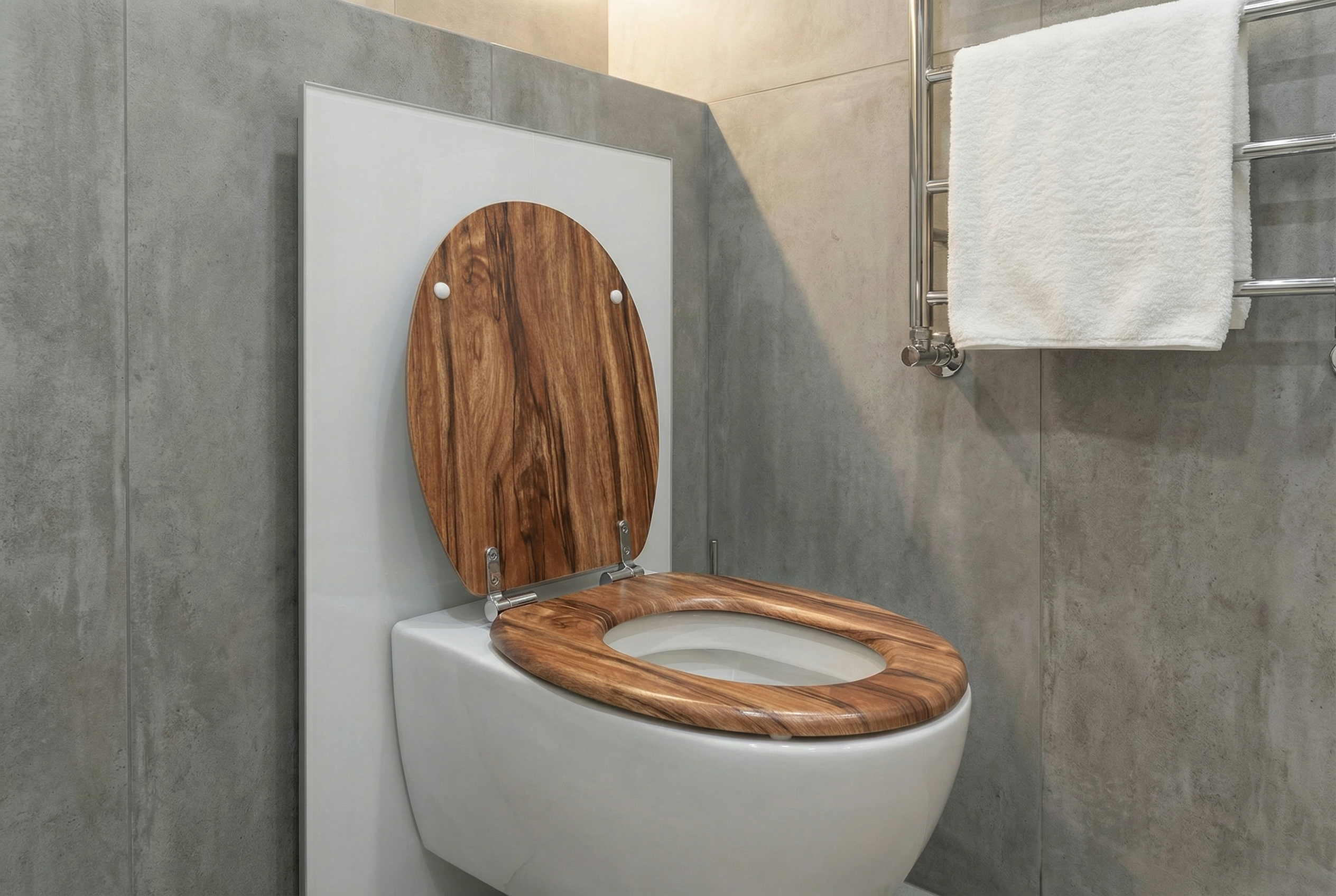
PP Toilet Seat vs. Wood Toilet Seat: A B2B Buyer's Definitive Guide
Navigating the choices between PP toilet seats and wood toilet seats can be complex for B2B buyers. This guide offers a practical comparison, delving into materials, durability, hygiene, cost, and market trends to help you make informed decisions for your inventory and customers.

Smart Toilet Seat Power Consumption Monthly: An In-Depth Energy Cost Analysis for B2B Buyers
Understanding the monthly power consumption of smart toilet seats is crucial for B2B buyers. This detailed analysis explores energy costs, factors influencing usage, and offers insights for distributors and retailers to address common customer concerns regarding smart toilet seat power consumption monthly.
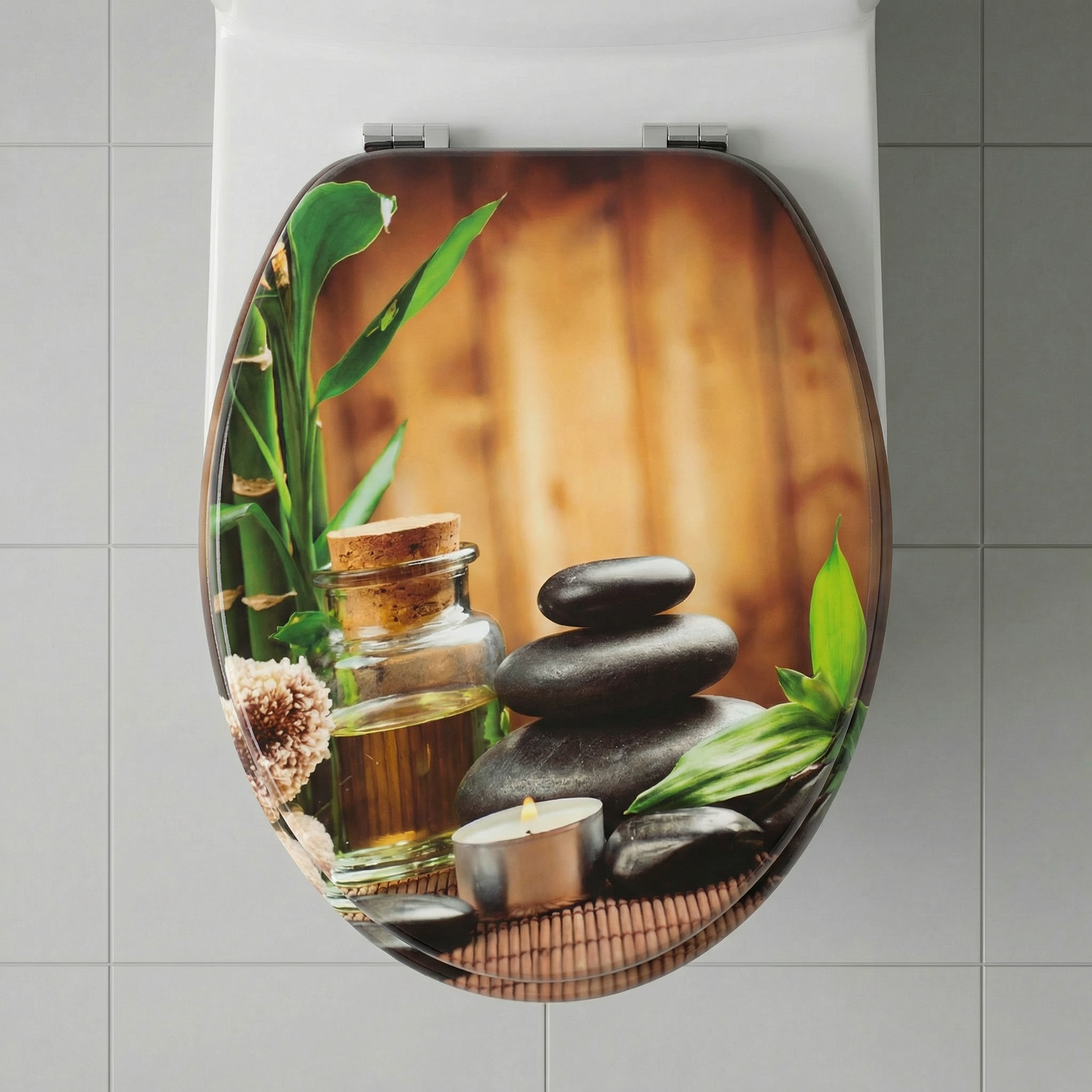
The Ultimate Toilet Seat Material Selection Guide for Importers
Navigate the complexities of toilet seat material selection for your import business with this comprehensive guide. Learn about MDF, UF, and PP options, quality standards, and key considerations for importers to optimize their product offerings.
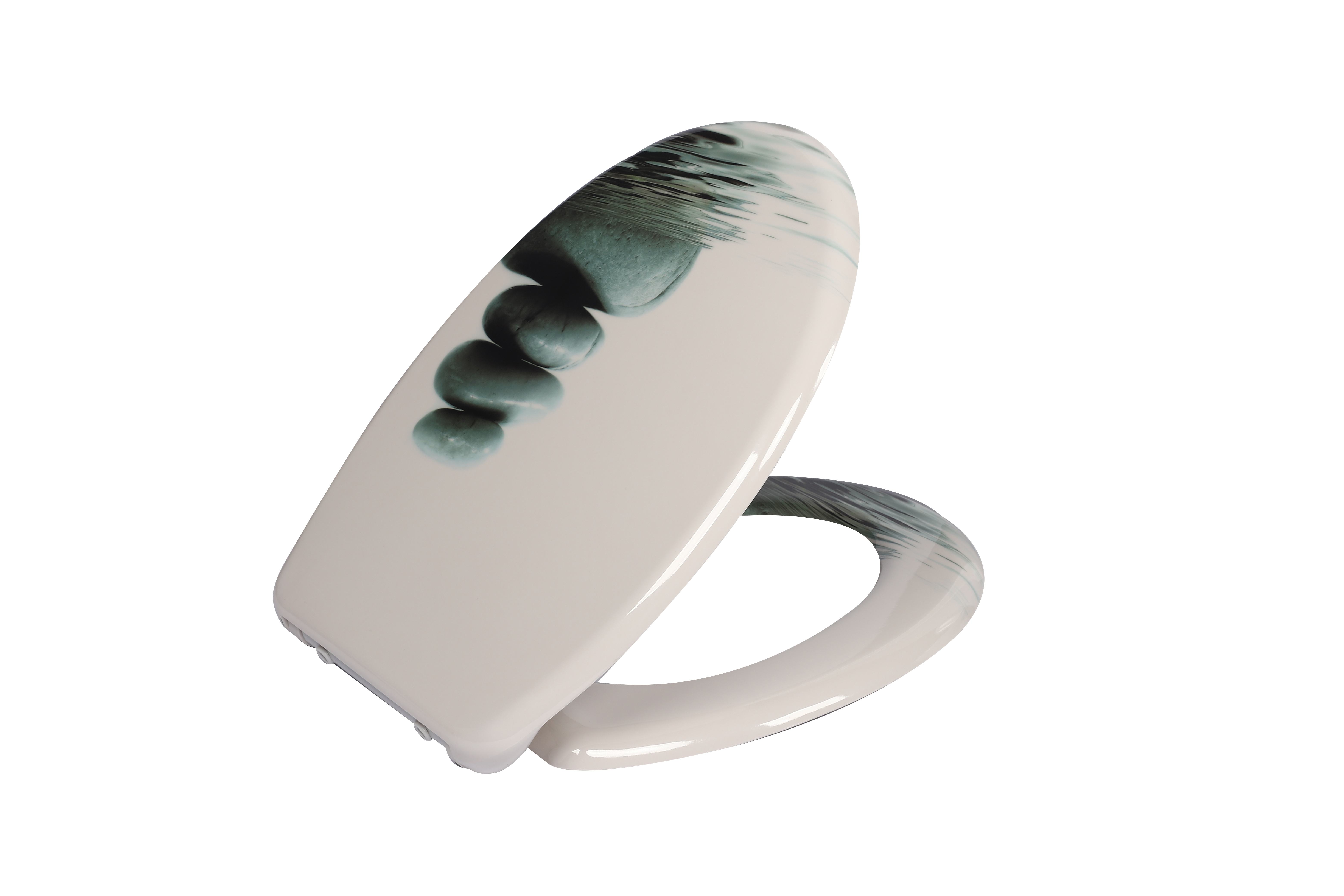
UF Toilet Seat Manufacturer OEM: Why Urea-Formaldehyde is the Premium Choice
Discover why Urea-Formaldehyde (UF) toilet seats are the premium choice for OEM partners. As a leading UF toilet seat manufacturer, Jell Group offers unparalleled quality, durability, and customization for your brand.