Unlocking Brand Potential: The Strategic Advantage of Private Label Toilet Seat Manufacturing
In today's competitive retail landscape, differentiation is key. For distributors, retailers, and importers in the sanitaryware sector, offering unique products under your own brand can significantly boost market share, customer loyalty, and profit margins. This is where private label toilet seat manufacturing comes into play. It's not just about slapping your logo on a generic product; it's about crafting a bespoke solution that aligns perfectly with your brand identity, target market, and quality standards.
The journey from concept to shelf for a private label toilet seat is intricate, involving careful planning, precise execution, and a reliable manufacturing partner. This comprehensive guide will delve into every aspect of this process, providing B2B buyers with the insights needed to make informed decisions and achieve success. We'll explore the benefits, critical steps, material considerations, quality assurance, and logistical intricacies, highlighting how a seasoned private label toilet seat manufacturer can be your most valuable asset.
Why Choose Private Label for Toilet Seats?
The decision to pursue private label products is a strategic one, offering a multitude of advantages over simply distributing established brands:
- Brand Building & Loyalty: Your own brand fosters a direct connection with customers, building recognition and trust. This leads to repeat purchases and a stronger market presence.
- Increased Profit Margins: By cutting out intermediaries and controlling the supply chain, you can often achieve better cost structures and higher profit margins compared to selling national brands.
- Product Differentiation: Private label allows for unique designs, features, and material combinations that set your offerings apart from competitors. You can tailor products to specific market niches or consumer preferences.
- Market Control & Flexibility: You have greater control over pricing, marketing, and product development. This agility enables quicker responses to market trends and consumer demands.
- Exclusivity: Your private label products are exclusive to your brand, eliminating direct competition on identical items.
- Enhanced Value Proposition: Offering high-quality, branded products at competitive prices can significantly enhance your overall value proposition to end-users.
For European markets, understanding the demand for quality and specific design aesthetics is paramount. A reputable Eigenmarke WC-Sitz Hersteller (private label toilet seat manufacturer) will have the expertise to navigate these regional preferences, ensuring your products resonate with local consumers.
The Jell Group Advantage: Your Trusted Private Label Partner
At Jell Group (Hubei Jell Sanitary Co., Ltd.), established in 2009, we understand the nuances of private label manufacturing. As a leading private label toilet seat manufacturer in China, we specialize in a diverse range of materials including MDF, UF (Urea-Formaldehyde), and PP (Polypropylene) toilet seats, alongside advanced smart bidet toilet seats. Our extensive experience, coupled with robust OEM/ODM capabilities, positions us as an ideal partner for businesses looking to develop their own branded sanitaryware solutions.
We have successfully exported to over 50 countries, building a strong reputation for quality and reliability. Our commitment to excellence is underscored by certifications such as FSC, BSCI, ISO 9001, and TÜV, ensuring that every product meets stringent international standards. With strategically located warehouses in Germany (Mönchengladbach) and Poland (Łódź), we offer efficient logistics and streamlined distribution channels, particularly beneficial for our European partners.

Phase 1: Concept & Design – Laying the Foundation for Your Brand
The initial phase is arguably the most crucial, as it defines the essence of your private label product. This is where your vision meets the manufacturer's expertise.
1. Market Research & Trend Analysis
- Identify Your Niche: Are you targeting the budget-conscious segment, the luxury market, or a specific demographic (e.g., families, elderly)?
- Analyze Competitors: What are their strengths and weaknesses? How can your product offer a superior alternative?
- Consumer Preferences: Research common sizes, shapes (e.g., D-shape, U-shape, O-shape, square), features (e.g., soft-close, quick-release, anti-bacterial), and material preferences in your target regions. For instance, in many European countries, UF soft-close seats are highly sought after for their durability and hygiene.
- Regulatory Compliance: Understand the specific standards and certifications required in your target markets (e.g., CE marking for Europe, specific plumbing codes in the Americas).
2. Product Specification & Feature Definition
- Material Selection:
- MDF (Medium-Density Fiberboard): Known for its classic look, warmth, and affordability. Ideal for traditional aesthetics.
- UF (Urea-Formaldehyde): Highly durable, scratch-resistant, ceramic-like feel, anti-bacterial properties, and excellent color stability. A premium choice for longevity and hygiene.
- PP (Polypropylene): Lightweight, flexible, and cost-effective. Often used for entry-level or standard models.
- Smart Bidet Seats: Incorporating advanced features like heated seats, warm water wash, air drying, and deodorization.
- Design & Aesthetics: Shape, color palette, hinge design (top-fix, bottom-fix), and overall ergonomic considerations.
- Functional Features:
- Soft-Close Mechanism: Prevents slamming, reduces noise, and increases product lifespan. This is a standard expectation in many markets.
- Quick-Release Hinges: Facilitates easy cleaning and maintenance.
- Anti-bacterial Properties: Especially relevant for UF materials, offering enhanced hygiene.
- UV Resistance: Important for maintaining color integrity over time, particularly for white seats.
- Compatibility: Ensuring the toilet seat fits a wide range of standard toilet bowls in your target market. Universal fit models are often preferred.
3. Branding & Packaging Design
- Logo & Brand Guidelines: Provide your manufacturer with clear branding guidelines.
- Packaging: Design that protects the product, communicates your brand message, and is retail-ready. Consider eco-friendly packaging options.
- Instruction Manuals: Clear, multi-language instructions for installation and maintenance.
As a leading fabricant abattant WC marque propre, Jell Group's design team works closely with clients to translate these concepts into tangible product specifications, leveraging our extensive mold library and R&D capabilities.
Phase 2: Prototyping & Sampling – Bringing the Vision to Life
Once specifications are finalized, the manufacturing process moves to prototyping and sampling. This critical stage allows for physical evaluation and refinement.
1. Prototype Development
Based on the approved design and specifications, the manufacturer creates initial prototypes. This involves:
- Tooling & Mold Creation: For custom designs, new molds may be required. Jell Group's in-house tooling capabilities ensure precision and efficiency.
- Material Sourcing: Selection of high-quality raw materials that meet specified standards.
- Initial Production Run: A small batch of samples is produced for evaluation.
2. Sample Evaluation & Feedback
You will receive physical samples for thorough inspection. This is your opportunity to:
- Assess Aesthetics: Check color, finish, and overall appearance against your brand vision.
- Verify Functionality: Test soft-close mechanisms, quick-release features, and overall fit on various toilet bowl models.
- Evaluate Durability: Conduct preliminary stress tests or simulations if possible.
- Provide Detailed Feedback: Communicate any necessary adjustments or improvements to the manufacturer. This iterative process ensures the final product meets your exact requirements.
This stage is crucial for ensuring that the product not only looks good but also performs flawlessly and meets all desired specifications. A good private label toilet seat manufacturer will be highly responsive to your feedback during this phase.
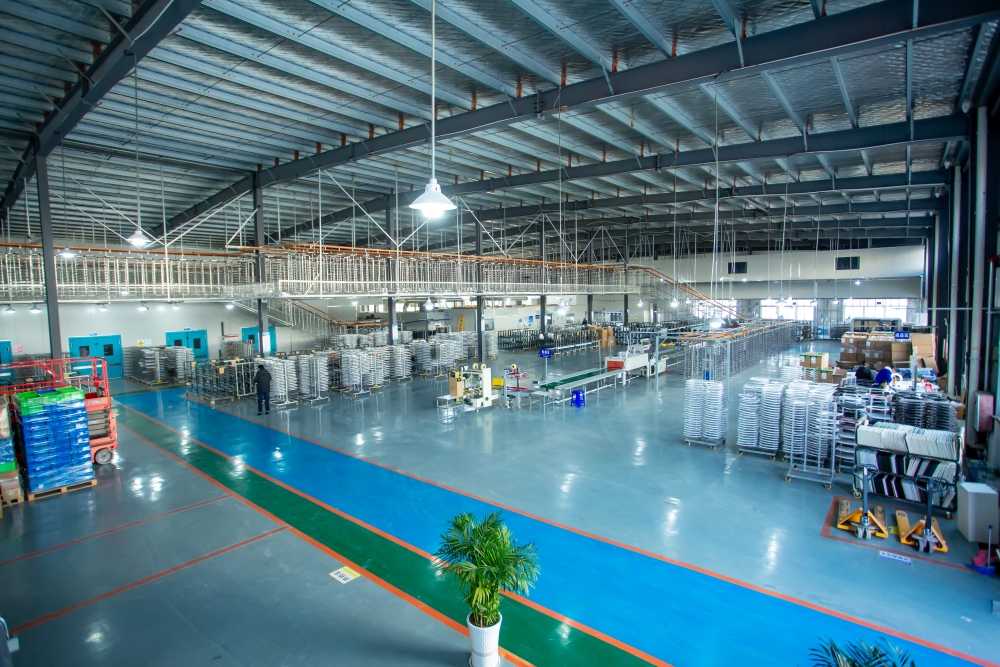
Phase 3: Manufacturing & Quality Assurance – Precision and Excellence
With approved samples, full-scale production can commence. This phase is characterized by stringent quality control and efficient production processes.
1. Production Planning & Scaling
- Order Confirmation: Finalize quantities, pricing, and delivery schedules.
- Material Procurement: Bulk purchasing of raw materials. Jell Group's established supply chain ensures consistent quality and availability.
- Production Scheduling: Efficient allocation of resources and production lines to meet deadlines.
2. Manufacturing Process
Depending on the material, the manufacturing process varies:
- MDF Seats: Involves cutting, shaping, sanding, priming, painting (often multiple layers for durability and finish), and lacquering.
- UF Seats: Compression molding of urea-formaldehyde resin, followed by curing, polishing, and assembly. This process yields a very dense, ceramic-like finish.
- PP Seats: Injection molding of polypropylene pellets into desired shapes, followed by cooling and assembly.
Throughout these processes, advanced machinery and skilled technicians are essential for maintaining consistency and quality.
3. Rigorous Quality Control (QC)
Quality assurance is paramount. A reputable private label toilet seat manufacturer implements multi-stage QC protocols:
- Incoming Material Inspection: Checking raw materials for defects or non-conformity.
- In-Process Quality Checks: Monitoring production at various stages (e.g., paint thickness, molding consistency, hinge alignment).
- Final Product Inspection: Comprehensive checks on finished products for:
- Appearance: Color, finish, absence of scratches or blemishes.
- Dimensions: Ensuring precise fit and compatibility.
- Functionality: Testing soft-close, quick-release, and hinge durability (e.g., cycle testing for hinges).
- Packaging Integrity: Ensuring products are packed securely and correctly.
- Certifications & Standards: Adherence to international standards like ISO 9001 for quality management, FSC for sustainable wood sourcing (for MDF), and TÜV for product safety and performance. Jell Group's BSCI certification also demonstrates our commitment to ethical labor practices.
For our partners in Germany and across Europe, knowing that their Eigenmarke WC-Sitz is manufactured under such strict controls provides immense peace of mind and ensures compliance with EU regulations.
Phase 4: Packaging & Logistics – From Factory to Your Warehouse
Efficient packaging and logistics are crucial for ensuring products arrive safely and on time, ready for distribution.
1. Packaging Solutions
- Protective Packaging: Designed to withstand transit, preventing damage from impacts, moisture, and dust. This often includes custom-fit foam, cardboard inserts, and robust outer cartons.
- Branded Packaging: Incorporating your brand's logos, colors, and marketing messages on the retail packaging.
- Labeling: Accurate product information, barcodes, and compliance labels for international shipping.
2. Storage & Warehousing
For B2B buyers, particularly those in Europe, the availability of local warehousing can significantly reduce lead times and shipping costs. Jell Group's warehouses in Mönchengladbach, Germany, and Łódź, Poland, offer a strategic advantage, enabling faster delivery and more flexible inventory management for our European clients. This localized presence streamlines the supply chain and enhances responsiveness to market demands.
3. Shipping & Distribution
- Freight Forwarding: Coordinating sea, air, or land freight depending on urgency and cost considerations.
- Customs Clearance: Handling all necessary documentation and procedures for international shipments.
- Delivery to Destination: Ensuring products reach your distribution centers or retail outlets efficiently.
Our experience in exporting to over 50 countries means we have a deep understanding of international logistics, ensuring a smooth process from our factory to your doorstep.

Phase 5: Marketing & Sales – Bringing Your Private Label to Market
Once your private label toilet seats are in your possession, the focus shifts to effective market penetration.
1. Developing a Marketing Strategy
- Target Audience: Refine your understanding of who you're selling to.
- Value Proposition: Clearly articulate what makes your private label product superior or unique.
- Marketing Channels: Online (e-commerce, social media, SEO), offline (trade shows, print ads), and in-store promotions.
- Sales Training: Equip your sales team with detailed product knowledge and selling points.
2. Pricing Strategy
- Cost-Plus Pricing: Based on manufacturing costs, shipping, and desired profit margins.
- Competitive Pricing: Benchmarking against similar products in the market.
- Value-Based Pricing: Reflecting the perceived value and unique features of your product.
3. After-Sales Support
- Warranty & Returns: Establish clear policies to build customer confidence.
- Customer Service: Provide accessible support for installation queries, maintenance, and issue resolution.
By partnering with a reliable fabricant abattant WC marque propre like Jell Group, you gain not just a product, but a foundation for a strong, reputable brand in the sanitaryware market.
Key Considerations for Choosing Your Private Label Toilet Seat Manufacturer
Selecting the right manufacturing partner is paramount to the success of your private label venture. Here's what to look for:
- Experience & Expertise: How long have they been in business? Do they specialize in toilet seats? Jell Group, established in 2009, brings over a decade of dedicated expertise.
- Product Range & Materials: Do they offer the materials and types of toilet seats you need (MDF, UF, PP, smart bidet)? A diverse range indicates versatility.
- OEM/ODM Capabilities: Can they handle custom designs and specifications? Our robust OEM/ODM services allow for extensive customization.
- Quality Certifications: Look for ISO 9001, TÜV, FSC, and other relevant industry certifications. These are non-negotiable indicators of quality and compliance.
- Ethical Manufacturing: BSCI certification, like Jell Group's, demonstrates a commitment to fair labor practices.
- Logistics & Warehousing: Do they offer efficient shipping and, ideally, local warehousing (e.g., in Europe for European buyers)? Jell Group's warehouses in Germany and Poland are a significant advantage.
- Communication & Responsiveness: A transparent and communicative partner is essential for a smooth process.
- References & Track Record: Ask for client testimonials or case studies, especially from businesses in your target regions. Our export history to 50+ countries speaks volumes.
The Future of Toilet Seats: Innovation and Sustainability
The sanitaryware market is constantly evolving. As you plan your private label strategy, consider incorporating future trends:
- Sustainable Materials: Exploring eco-friendly alternatives or processes for manufacturing.
- Enhanced Hygiene Features: Beyond anti-bacterial, consider self-cleaning glazes or advanced bidet functions.
- Smart Technology Integration: Further advancements in smart bidet seats, offering greater comfort and convenience.
- Universal Design: Products that cater to a wider range of users, including those with mobility challenges.
Working with a forward-thinking private label toilet seat manufacturer ensures your brand remains competitive and relevant in a dynamic market.
Conclusion: Your Path to Private Label Excellence with Jell Group
Embarking on a private label journey for toilet seats offers unparalleled opportunities for brand growth, market differentiation, and increased profitability. From the initial spark of an idea to the final product gracing retail shelves, each stage demands meticulous attention and a reliable partnership.
By choosing Jell Group as your private label toilet seat manufacturer, you gain more than just a supplier; you gain a strategic partner committed to your success. Our comprehensive OEM/ODM capabilities, diverse product range (MDF, UF, PP, smart bidet seats), stringent quality control, and efficient logistics – bolstered by our European warehouses – provide a seamless and effective solution for B2B buyers across Europe, the Middle East, and the Americas.
Let us help you transform your vision into a high-quality, branded product that captivates your customers and strengthens your market position. Explore our product range and discover how our expertise can benefit your business. For a personalized consultation or to discuss your specific private label requirements, please contact us today. We are dedicated to upholding the highest quality standards to ensure your brand's reputation for excellence.
FAQ: Private Label Toilet Seat Manufacturing
Q1: What are the primary benefits of private label toilet seats for distributors and retailers?
A1: Private label toilet seats offer several key benefits, including enhanced brand recognition and customer loyalty, higher profit margins compared to selling national brands, greater product differentiation through custom designs and features, and increased control over pricing and marketing strategies. It allows businesses to carve out a unique identity in a competitive market and respond more flexibly to consumer demands. For instance, a retailer can offer a specific UF soft-close seat designed exclusively for their brand, appealing directly to their customer base.
Q2: What materials are commonly used in private label toilet seat manufacturing, and what are their advantages?
A2: The most common materials are MDF (Medium-Density Fiberboard), UF (Urea-Formaldehyde), and PP (Polypropylene). MDF seats are known for their classic aesthetic, warmth, and affordability. UF seats are highly durable, scratch-resistant, offer a ceramic-like feel, possess anti-bacterial properties, and maintain excellent color stability, making them a premium choice. PP seats are lightweight, flexible, and cost-effective, often used for standard or entry-level models. Jell Group specializes in all these materials, including advanced smart bidet toilet seats.
Q3: How does Jell Group ensure the quality of its private label toilet seats?
A3: Jell Group implements a rigorous multi-stage quality control process. This includes incoming material inspection, in-process quality checks at various manufacturing stages, and a comprehensive final product inspection covering appearance, dimensions, and functionality (e.g., soft-close mechanism testing, hinge durability). We adhere to international standards such as ISO 9001, FSC, and TÜV, and our BSCI certification reflects our commitment to ethical production. This ensures every private label toilet seat manufacturer product meets stringent quality and performance benchmarks.
Q4: What logistical advantages does Jell Group offer for European B2B buyers?
A4: Jell Group provides significant logistical advantages for European B2B buyers through our strategically located warehouses in Mönchengladbach, Germany, and Łódź, Poland. These facilities enable faster delivery times, reduced shipping costs, and greater flexibility in inventory management. This localized presence streamlines the supply chain, allowing our European partners to respond more quickly to market demands and maintain optimal stock levels without lengthy international shipping delays. Our extensive experience exporting to over 50 countries also ensures smooth customs clearance and efficient distribution.
blog.relatedArticles
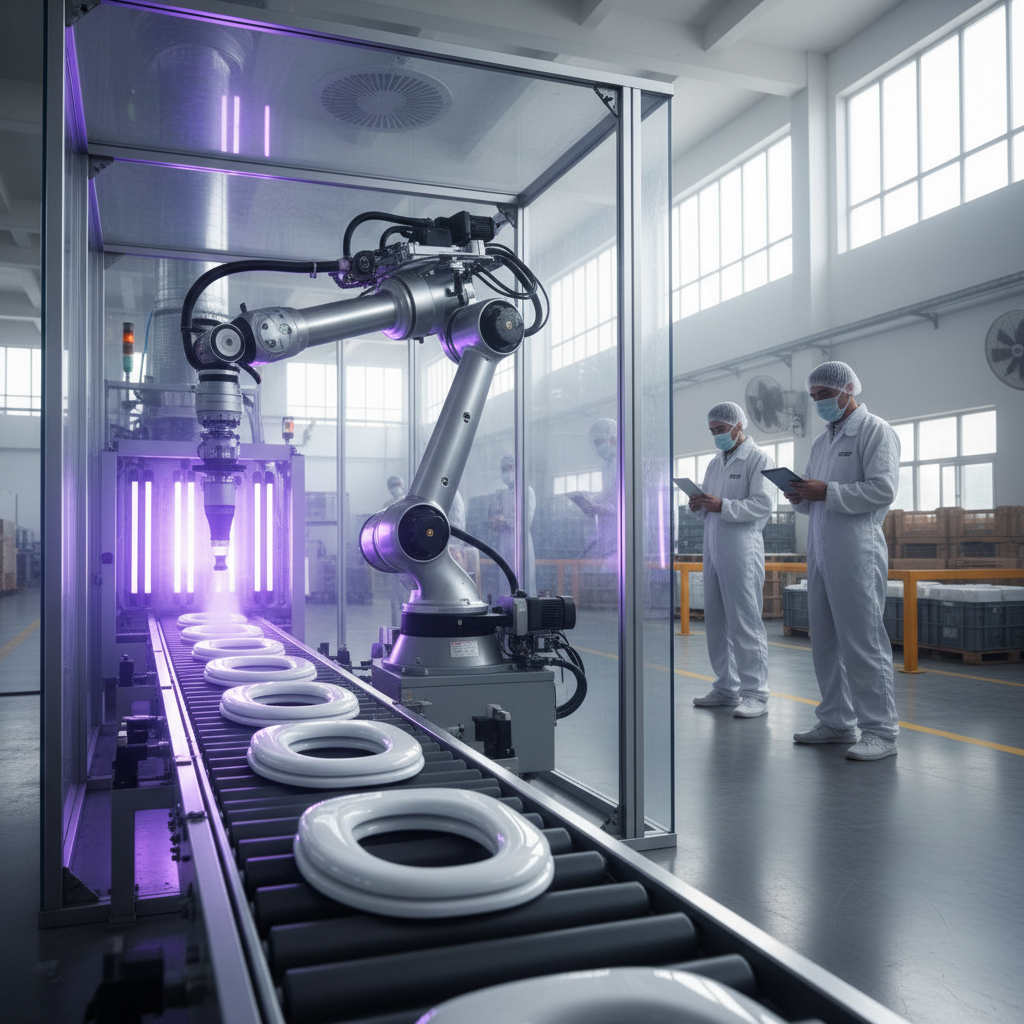
Private Label Toilet Seat Manufacturing: From Concept to Shelf Success
Discover the journey of private label toilet seat manufacturing, from initial design to market distribution. Partner with a leading private label toilet seat manufacturer like Jell Group for quality and innovation.
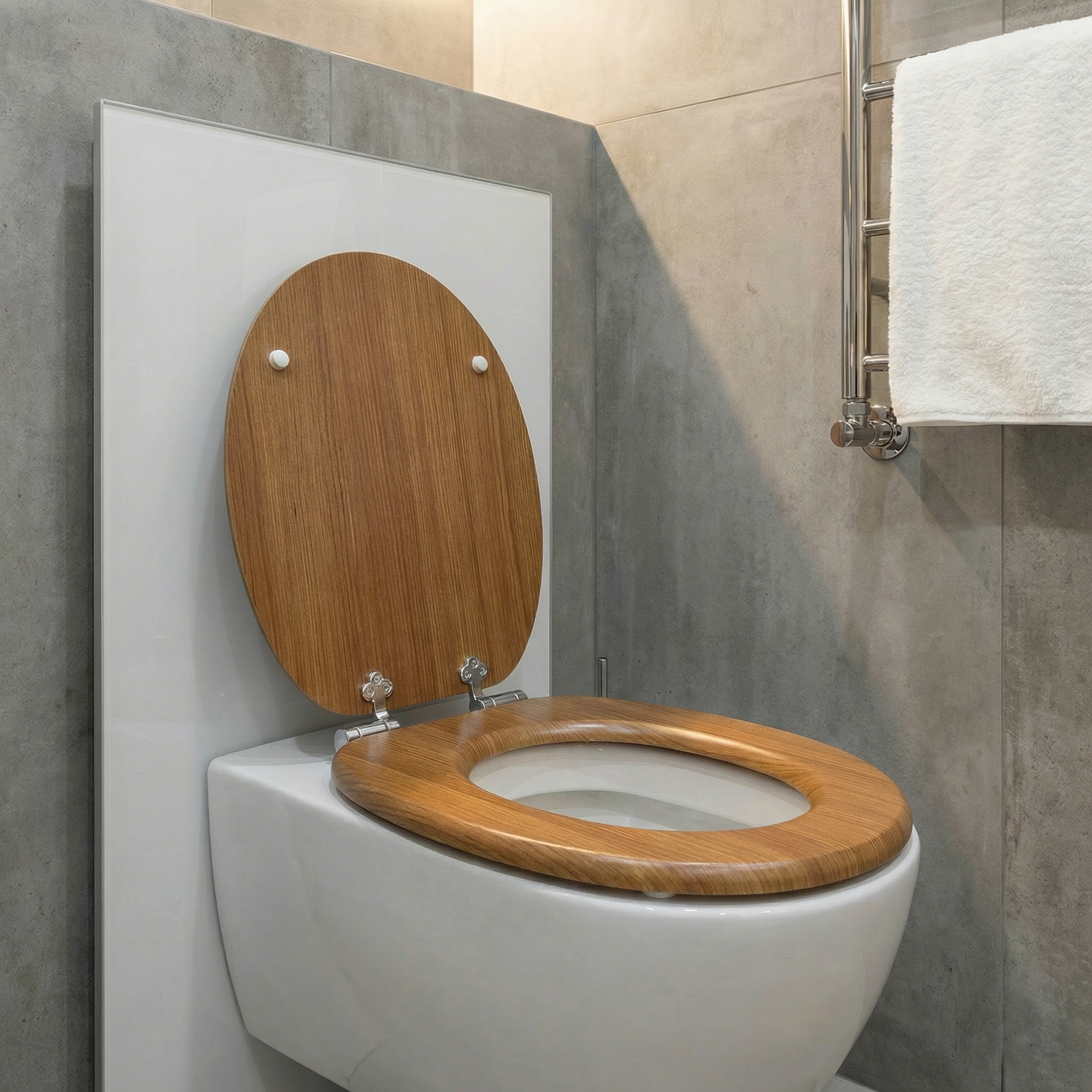
Navigating Toilet Seat Anti-Dumping Duty in the EU: Current Status & Impact
Understanding the complexities of toilet seat anti-dumping duty in the EU is crucial for B2B buyers. This article provides a detailed analysis of current regulations, their impact on the market, and strategies for compliance, ensuring informed decision-making for importers and distributors.
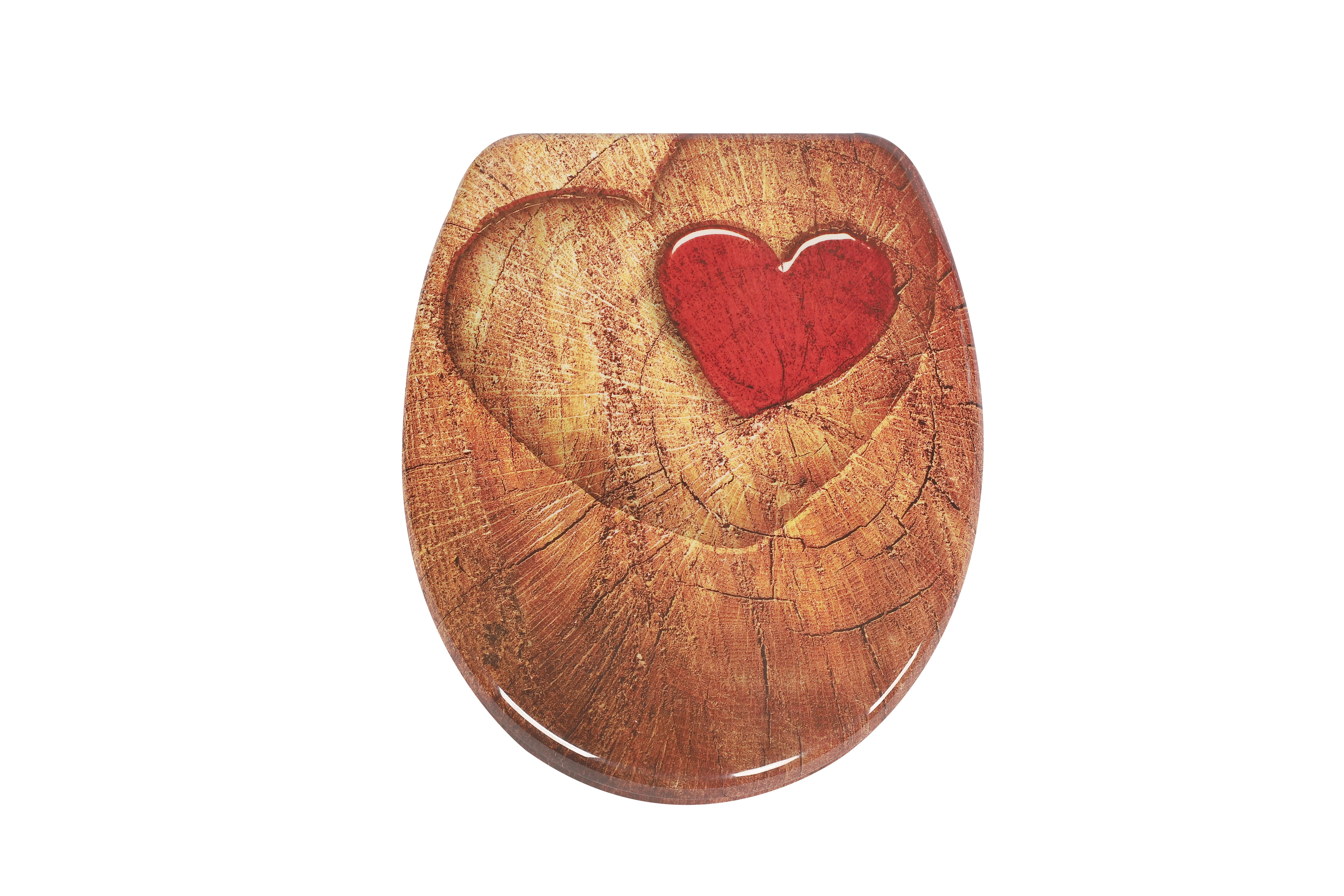
Finding Your Ideal White Label Toilet Seat Supplier: A Comprehensive Guide
Discover how to identify and evaluate the best white label toilet seat suppliers for your business. This guide provides actionable insights for B2B buyers seeking quality, reliability, and strategic partnerships, focusing on key criteria like manufacturing capabilities, certifications, and logistics for a seamless supply chain.
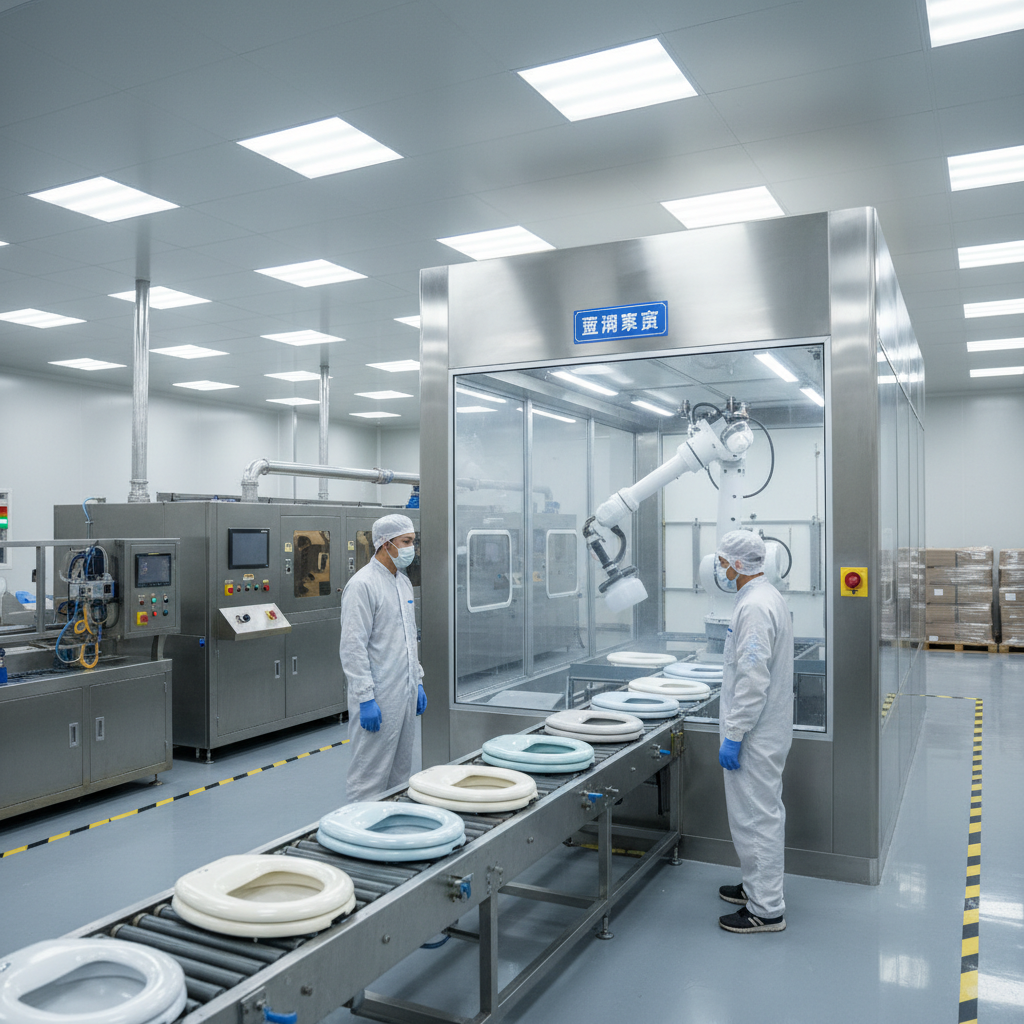
Wholesale Toilet Seat Supplier China: Your Definitive Procurement Guide
Navigating the global market for toilet seats? This comprehensive guide reveals how to effectively procure from a wholesale toilet seat supplier China, covering quality, logistics, and cost efficiency for B2B buyers.