Introduction: The Critical Role of Raised Toilet Seats in Knee Replacement Recovery
Undergoing knee replacement surgery, whether a total knee arthroplasty (TKA) or partial knee arthroplasty (PKA), marks a significant step towards improved mobility and reduced pain. However, the recovery period is crucial and often challenging, requiring careful attention to daily activities to prevent complications and ensure proper healing. One of the most overlooked yet essential aids for post-operative recovery is the raised toilet seat. For B2B buyers like distributors, retailers, and importers in Europe, the Middle East, and the Americas, understanding the specific needs of patients recovering from knee surgery is vital for stocking the right products.
A raised toilet seat is not merely a convenience; it's a fundamental component of a safe and independent recovery environment. It minimizes the deep knee flexion and hip bending that can strain the new joint, reduce pain, and increase the risk of falls. This comprehensive guide will delve into the critical aspects of selecting the optimal raised toilet seat, focusing on height, comfort, material, and installation, to support a smoother and more confident recovery journey for patients.
Why a Raised Toilet Seat is Non-Negotiable After Knee Surgery
Knee replacement surgery involves replacing damaged cartilage and bone with prosthetic components. During the initial weeks and months of recovery, the knee's range of motion is limited, and certain movements can be painful or even detrimental to the healing process. Sitting down and standing up from a standard toilet, which typically sits at a height of 14-16 inches, requires significant knee and hip flexion. This motion can:
- Increase Pain: Bending the knee beyond a comfortable angle can cause sharp pain around the surgical site.
- Strain the New Joint: Excessive flexion puts undue stress on the newly implanted prosthesis and surrounding tissues, potentially hindering recovery.
- Increase Fall Risk: The effort required to stand up from a low toilet, especially with weakened leg muscles and potential dizziness from medication, significantly elevates the risk of falls, which can lead to severe injury and compromise the surgical outcome.
- Reduce Independence: Relying on caregivers for basic hygiene tasks can be disheartening. A raised toilet seat empowers patients to manage their personal care with greater autonomy.
“For post-knee replacement patients, maintaining proper body mechanics is paramount. A raised toilet seat helps achieve this by reducing the squatting motion, thereby protecting the knee and promoting confidence during a vulnerable recovery phase.”
According to the American Academy of Orthopaedic Surgeons, approximately 80-90% of patients experience significant pain relief and improved function after total knee replacement. Ensuring a safe home environment, including appropriate bathroom aids, contributes greatly to these positive outcomes.
Understanding the Ideal Height for Post-Knee Replacement
The primary goal of a raised toilet seat is to elevate the seating surface, reducing the distance a patient needs to lower themselves and rise. The ideal height is subjective but generally aims for a position where the patient's hips are slightly higher than their knees when seated, and their feet remain flat on the floor. This ergonomic posture minimizes knee flexion and makes the transition from sitting to standing much easier.
Factors Influencing Ideal Height:
- Patient's Height: Taller individuals will naturally require a higher seat elevation than shorter individuals to achieve the optimal hip-to-knee ratio.
- Pre-existing Toilet Height: Standard toilets vary in height. A comfort-height or ADA-compliant toilet (around 17-19 inches) will require less additional elevation than a standard-height toilet.
- Surgeon's Recommendations: Always consult the patient's surgeon or physical therapist for specific post-operative instructions regarding knee flexion limits.
- Personal Comfort: Ultimately, the most comfortable height for the individual patient is the best height.
Raised toilet seats typically add 2 to 6 inches (5 to 15 cm) to the existing toilet height. For most knee replacement patients, an elevation that results in a total toilet height of 19-21 inches (48-53 cm) from the floor to the top of the seat is often recommended. This range usually allows for minimal knee bending and easier standing.
When considering products for your inventory, offering a range of heights and adjustable options is key to meeting diverse customer needs. Jell Group, as a leading manufacturer, understands these nuances and provides versatile solutions.
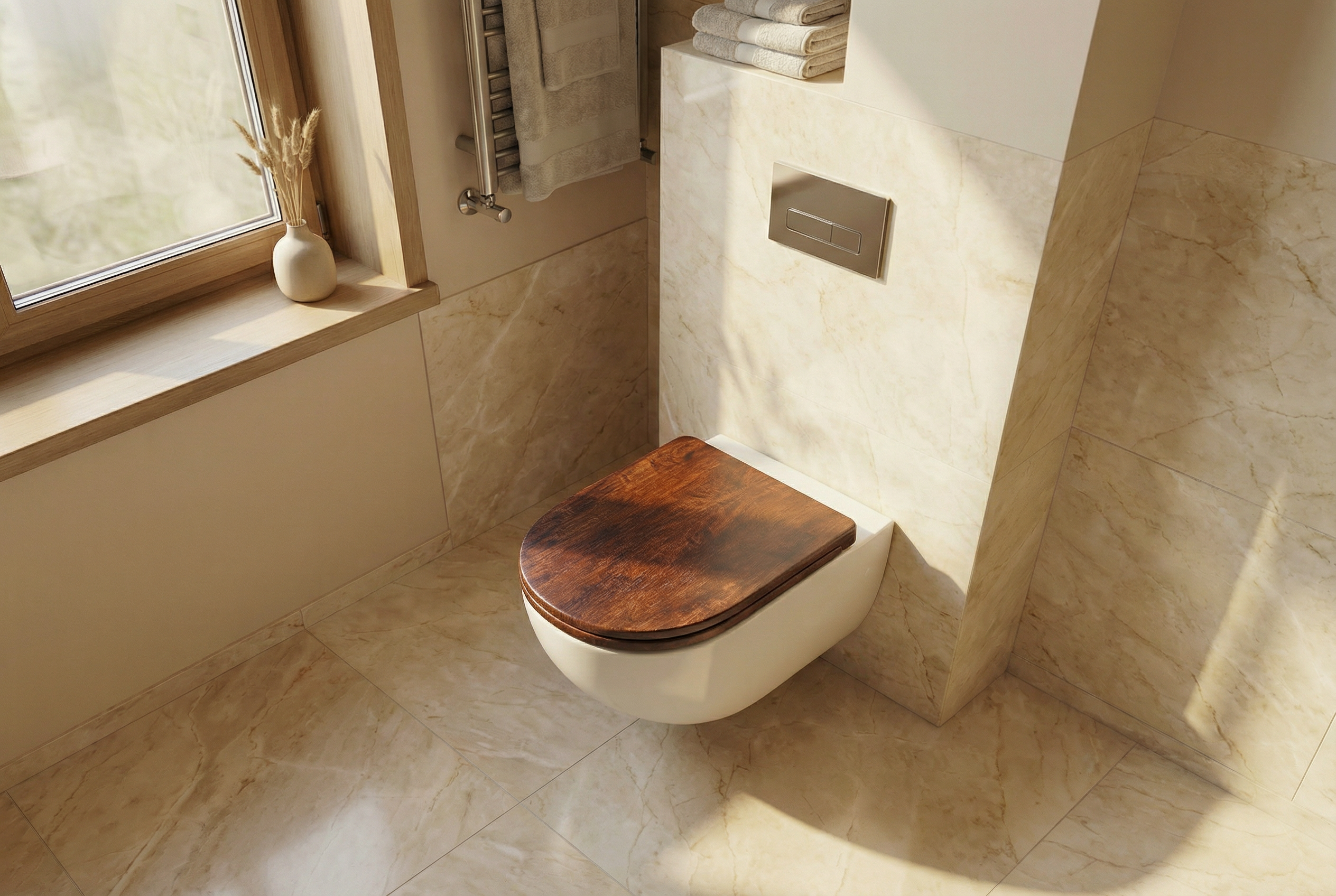
Types of Raised Toilet Seats and Their Features
The market offers various types of raised toilet seats, each with distinct features catering to different needs and preferences. Understanding these options is crucial for B2B buyers to make informed purchasing decisions.
1. Clamp-on / Locking Raised Toilet Seats:
- Description: These seats attach directly to the toilet bowl using a clamping mechanism, often with side levers or screws. They replace the existing toilet seat.
- Pros: Highly secure and stable, reducing movement during transfer. Often more discreet than other options.
- Cons: May require some effort to install and remove.
- Ideal for: Patients needing maximum stability and long-term use during recovery.
2. Elevated Toilet Seats with Arms:
- Description: These models combine a raised seat with integrated armrests.
- Pros: Armrests provide crucial support for pushing up to stand and lowering down to sit, significantly enhancing safety and reducing strain on the knees.
- Cons: Can be wider and take up more bathroom space.
- Ideal for: Patients with significant weakness, balance issues, or those requiring extra leverage.
3. Padded Raised Toilet Seats:
- Description: Feature a soft, cushioned surface over the raised frame.
- Pros: Offers enhanced comfort, especially for individuals who spend more time on the toilet or have sensitive skin.
- Cons: Can be harder to clean than rigid surfaces; padding may wear over time.
- Ideal for: Patients prioritizing comfort and those with pressure sore concerns.
4. Adjustable Height Raised Toilet Seats:
- Description: Allow users to modify the height of the seat within a certain range.
- Pros: Versatile and adaptable to different user heights and recovery stages.
- Cons: May have more moving parts, potentially affecting long-term durability if not well-constructed.
- Ideal for: Households with multiple users or for patients whose needs may change during recovery.
5. Toilet Seat Risers (Non-Seat):
- Description: These are risers that fit under the existing toilet seat, elevating the entire seat assembly.
- Pros: Keeps the original toilet seat, which some users prefer.
- Cons: Can be less stable than clamp-on seats; may not fit all toilet bowl shapes.
- Ideal for: Temporary use or when maintaining the original seat is a priority.
A study published in the Journal of Geriatric Physical Therapy found that assistive devices, including raised toilet seats, significantly improved functional independence in older adults post-surgery.
Material Matters: Durability, Hygiene, and Comfort
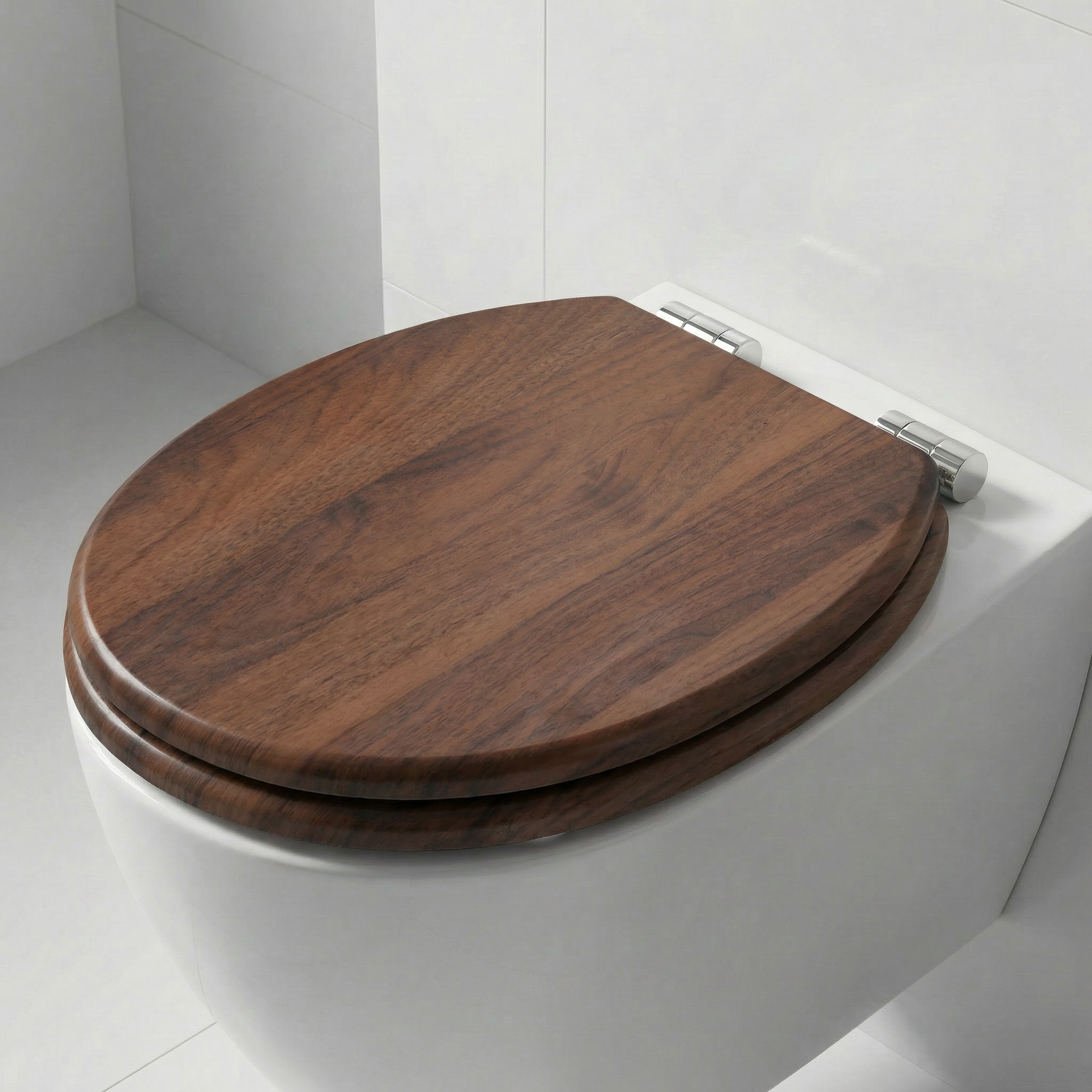
The material of a raised toilet seat impacts its durability, ease of cleaning, and overall user experience. As a manufacturer specializing in MDF, UF, and PP toilet seats, Jell Group understands the importance of material selection.
- MDF (Medium-Density Fiberboard): Known for its robust and solid feel, MDF seats offer excellent durability and a traditional aesthetic. They are often heavier, providing a sense of stability. Jell Group's MDF seats are treated for moisture resistance and can be highly comfortable.
- UF (Urea-Formaldehyde): UF seats are ceramic-like, extremely hard, scratch-resistant, and non-porous, making them highly hygienic and easy to clean. They offer a premium feel and long-lasting performance. Their rigidity contributes to stability.
- PP (Polypropylene): PP seats are lightweight, durable, and cost-effective. They are resistant to chemicals and easy to clean, making them a practical choice for many. While lighter, quality PP seats from manufacturers like Jell Group are engineered for strength and stability.
- Plastic (General): Many raised toilet seats are made from high-density polyethylene (HDPE) or other durable plastics. These are lightweight, waterproof, and easy to sanitize. Look for medical-grade plastics that are robust and resistant to cracking.
- Padded Materials: Often made from foam covered with vinyl or similar waterproof, wipeable material. While comfortable, inspect for quality stitching and material thickness to ensure longevity and hygiene.
When sourcing products, consider the balance between cost, durability, hygiene, and comfort. For healthcare settings or rental services, ease of cleaning and robust construction are paramount. For home use, aesthetics and long-term comfort might also play a role.
Installation and Stability: Ensuring Safety
The best raised toilet seat is only effective if it is securely installed and stable. Instability can lead to shifting, which is a significant fall hazard for someone with limited mobility or balance issues post-surgery.
Key Considerations for Installation and Stability:
- Secure Attachment: Look for models that firmly attach to the toilet bowl. Clamp-on systems, often with large, easy-to-turn knobs, provide excellent stability.
- Anti-Slip Features: Rubberized grips or anti-slip pads on the underside of the seat or on the clamps help prevent movement.
- Weight Capacity: Ensure the raised toilet seat can safely support the user's weight. Commercial-grade products from reputable manufacturers like Jell Group typically have high weight capacities, often exceeding 300 lbs (136 kg).
- Compatibility: Verify that the raised toilet seat is compatible with the shape of the existing toilet bowl (elongated vs. round).
- Ease of Installation/Removal: While stability is key, for temporary use or cleaning, ease of installation and removal can be a factor.
“Proper installation is not just a recommendation; it's a safety imperative. A wobbly raised toilet seat can be more dangerous than no seat at all for a recovering patient.”
Approximately 1 in 4 Americans aged 65 and older falls each year, and falls are the leading cause of injury and death in this age group. Bathroom safety aids are critical in fall prevention strategies.
Comparison: Choosing the Right Raised Toilet Seat
To assist B2B buyers in making informed decisions, here's a comparison table highlighting key features across different types of raised toilet seats:
| Feature | Clamp-on/Locking | With Arms | Padded | Adjustable Height |
|---|---|---|---|---|
| Primary Benefit | Maximum stability, secure fit | Superior support for standing/sitting | Enhanced comfort for sensitive users | Versatility for varying needs |
| Typical Height Added | 2-5 inches | 3-6 inches | 2-4 inches | 2-6 inches (variable) |
| Ease of Installation | Moderate | Moderate | Easy to moderate | Moderate |
| Stability | Excellent | Excellent (with proper installation) | Good | Good to excellent |
| Hygiene/Cleaning | Excellent (often smooth plastic/UF) | Good (arms may have crevices) | Moderate (padding can absorb) | Good |
| Cost Range | $$ | $$$ | $$ | $$$ |
| Ideal User | Anyone needing secure elevation | Weakness, balance issues, post-op | Sensitive skin, long-term use | Multiple users, changing needs |
As a manufacturer, Jell Group offers robust product range that includes UF and PP options suitable for various needs, ensuring both durability and hygiene.
Beyond the Seat: Other Bathroom Aids for Recovery
While a raised toilet seat is paramount, a holistic approach to bathroom safety for knee replacement recovery often involves other assistive devices:
- Grab Bars: Strategically placed grab bars near the toilet, in the shower, and by the bathtub provide essential support for transfers and balance.
- Shower Chairs/Benches: Allow patients to sit while showering, conserving energy and reducing the risk of falls on wet surfaces.
- Non-Slip Mats: Crucial for preventing slips in the shower/tub and on bathroom floors.
- Long-Handled Sponges/Reachers: Assist with personal hygiene and reaching items without excessive bending or stretching.
By offering a comprehensive suite of bathroom safety products, distributors and retailers can become a one-stop solution for customers navigating post-operative recovery.
Jell Group's Commitment to Quality and Recovery
At Hubei Jell Sanitary Co., Ltd. (Jell Group), we understand the critical importance of reliable and comfortable sanitary products, especially for those in recovery. Established in 2009, we have become a leading toilet seat manufacturer in China, specializing in MDF, UF, and PP toilet seats, as well as smart bidet toilet seats. Our commitment to quality is evidenced by our certifications including FSC, BSCI, ISO 9001, TÜV, and CARB.
We pride ourselves on our OEM/ODM capabilities, allowing us to tailor solutions to the specific needs of our B2B partners. Our extensive experience exporting to over 50 countries, coupled with strategic warehouses in Germany (Mönchengladbach) and Poland (Słubice), ensures efficient distribution and support for our European clients. When you choose Jell Group, you choose a partner dedicated to providing durable, hygienic, and ergonomically designed products that genuinely support patient recovery and enhance daily living.
Jell Group's annual production capacity exceeds 3 million toilet seats, demonstrating our ability to meet large-scale demands while maintaining stringent quality control.
Conclusion: Empowering a Safer and More Comfortable Recovery
The journey of knee replacement recovery is a personal one, but it can be significantly eased with the right support systems. A well-chosen raised toilet seat is more than just an accessory; it's an investment in safety, independence, and a smoother healing process. For B2B buyers, recognizing the nuanced needs of this demographic and offering a range of high-quality, reliable options is key to success. By focusing on appropriate height, comfort, durable materials, and secure installation, you can provide products that truly make a difference in people's lives.
Jell Group stands ready to be your trusted partner in supplying superior toilet seat solutions that meet the highest standards of quality and functionality. Explore our product range and discover how our expertise can benefit your business and your customers.
Key Takeaways for B2B Buyers:
- Raised toilet seats are essential for knee replacement recovery, reducing pain, strain, and fall risk.
- Ideal height ensures hips are slightly higher than knees, with common additions of 2-6 inches.
- Consider types like clamp-on, with arms, padded, and adjustable for diverse customer needs.
- Material choices (MDF, UF, PP) impact durability, hygiene, and comfort; Jell Group offers robust options.
- Stability and secure installation are critical safety features to prioritize.
- Offer a comprehensive range of bathroom aids to serve the full recovery journey.
Frequently Asked Questions (FAQ)
1. Why is a raised toilet seat necessary after knee replacement surgery?
A raised toilet seat is necessary because it elevates the toilet surface, reducing the amount of knee and hip bending required to sit down and stand up. This minimizes strain on the healing knee joint, decreases pain, and significantly lowers the risk of falls during the critical recovery period.
2. How high should a raised toilet seat be for knee replacement recovery?
The ideal height typically aims for a position where the patient's hips are slightly higher than their knees when seated, with feet flat on the floor. This often translates to adding 2 to 6 inches (5 to 15 cm) to the existing toilet height, resulting in a total height of approximately 19-21 inches (48-53 cm) from the floor to the top of the seat. Personal comfort and surgeon's recommendations should also be considered.
3. What types of raised toilet seats are available?
Common types include clamp-on/locking seats for maximum stability, elevated seats with armrests for added support, padded seats for enhanced comfort, and adjustable-height seats for versatility. Each type offers specific benefits depending on the user's needs and mobility level.
4. Are raised toilet seats easy to install?
Most raised toilet seats are designed for relatively easy installation. Clamp-on models attach securely to the toilet bowl with levers or screws, while others may simply rest on the rim. Always follow the manufacturer's instructions to ensure a safe and stable fit, which is crucial for preventing accidents.
5. What materials are best for raised toilet seats in terms of hygiene and durability?
Materials like UF (Urea-Formaldehyde) and high-density plastics (e.g., PP) are excellent for hygiene due to their non-porous, easy-to-clean surfaces and resistance to chemicals. MDF (Medium-Density Fiberboard) offers durability and a solid feel. When selecting, prioritize materials that are robust, waterproof, and can withstand frequent cleaning, like those offered by Jell Group.
6. Can a raised toilet seat be used with an elongated or round toilet?
Yes, most manufacturers offer raised toilet seats designed to fit both elongated and round toilet bowls. It's important to verify the compatibility of the specific product with the existing toilet shape before purchase to ensure a proper and secure fit.
7. Where can I source high-quality raised toilet seats for my business?
As a leading manufacturer, Jell Group (Hubei Jell Sanitary Co., Ltd.) specializes in durable and hygienic toilet seats, including options suitable for post-operative recovery. We offer OEM/ODM capabilities and export to over 50 countries, with warehouses in Germany and Poland for efficient distribution. You can contact us directly to discuss your sourcing needs.

The Jell Group Technical Team comprises seasoned experts in sanitary product design, manufacturing, and quality assurance. With over a decade of experience, our team is dedicated to innovating and producing high-quality, durable, and comfortable toilet seats that meet international standards and user needs. We leverage our deep industry knowledge to provide insightful, practical, and reliable information for B2B partners and end-users alike.
For inquiries about our range of toilet seats and OEM/ODM services, please contact us today. Visit our about us page to learn more about Jell Group's commitment to quality and innovation.
blog.relatedArticles
Importing Toilet Seats to Saudi Arabia: SASO Standards & Compliance Guide
Navigating the complexities of importing toilet seats to Saudi Arabia requires a deep understanding of SASO standards. This guide provides essential insights for B2B buyers, ensuring compliance and smooth market entry.
Cracked Toilet Seat: Repair or Replace? The Definitive B2B Guide
Navigating a cracked toilet seat? This comprehensive guide for B2B buyers, distributors, and retailers explores whether to repair or replace, offering insights into material types, cost-effectiveness, and quality considerations for optimal decision-making.
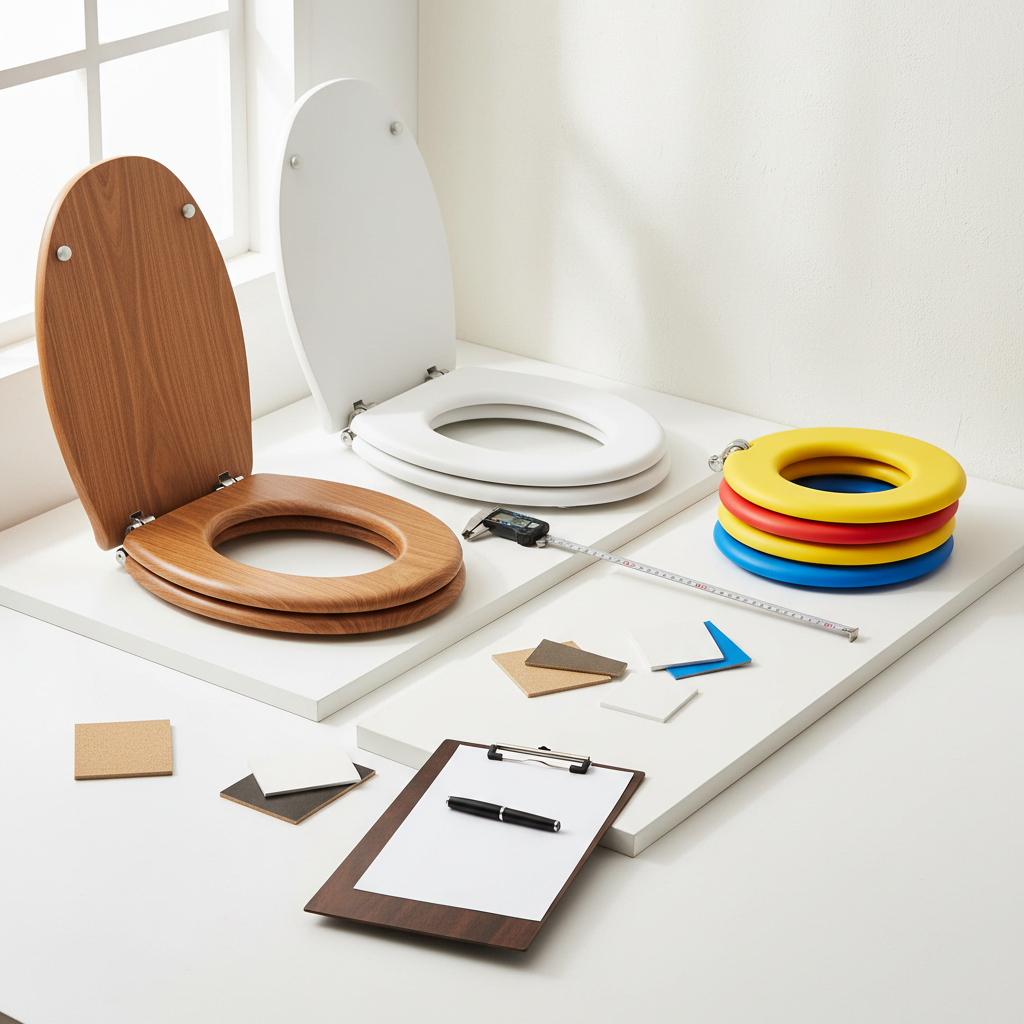
Bathroom Renovation Products Kuwait: Choosing the Right Toilet Seats
Navigating bathroom renovation products in Kuwait requires careful consideration, especially when selecting toilet seats. This guide helps B2B buyers understand materials, features, and quality standards for optimal choices.
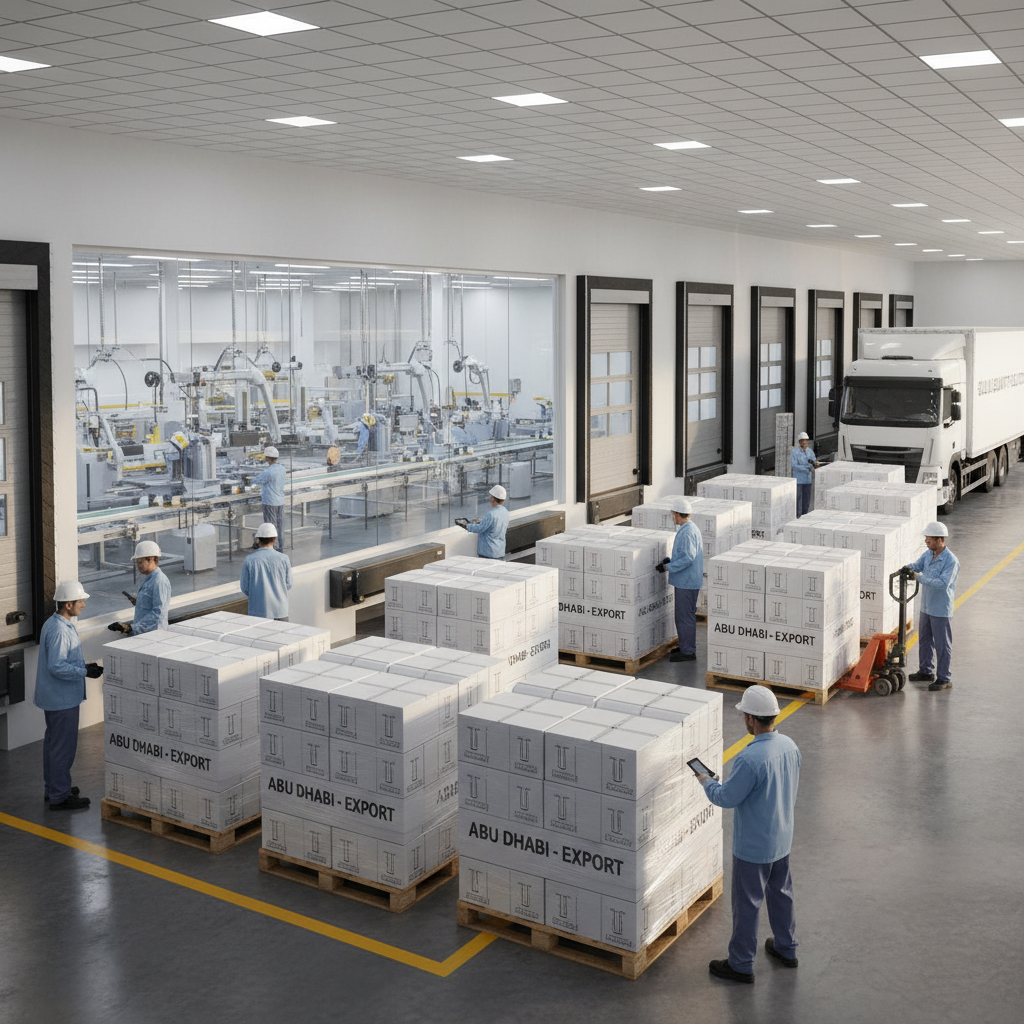
Bulk Toilet Seat Orders for Abu Dhabi: A Comprehensive Guide for Construction Projects
Navigating bulk toilet seat orders for Abu Dhabi construction projects requires understanding local regulations, quality standards, and reliable supply chains. Discover how Jell Group ensures seamless delivery of high-quality, certified toilet seats for your developments in the UAE.
Industry Case Studies
Thomas M. — Home & Living GmbH
Finding a reliable toilet seat supplier who could provide consistent quality, FSC certification for the German market, and fast restocking through local warehousing. Previous suppliers had inconsistent quality and long lead times from China.
Jan K. — Łazienka Plus Sp. z o.o.
Competing in Allegro's highly price-sensitive bathroom category required a supplier who could deliver quality products at competitive FOB prices, with local warehousing to enable same-day dispatch. Previous suppliers couldn't match the price-quality balance needed.
David T. — HomeStyle Bathrooms Ltd
Supplying B&Q required meeting Kingfisher Group's stringent responsible sourcing standards, UKCA compliance, and consistent batch quality across large orders. The supplier needed BSCI certification and FSC-certified materials.