Understanding Toilet Seat Hinge Types: Stainless Steel, Zinc Alloy & Plastic Options
When it comes to selecting the perfect toilet seat, the hinges play a crucial role in durability, comfort, and overall functionality. Toilet seat hinge types vary significantly in materials and design, each offering unique advantages and considerations. Whether you are a B2B buyer sourcing for commercial projects or an end consumer upgrading your bathroom, understanding the differences between stainless steel, zinc alloy, and plastic hinges can help you make an informed decision. In this article, we dive deep into the technical aspects, practical applications, and benefits of each hinge type, equipping you with expert knowledge to choose the best option for your needs.
Overview of Toilet Seat Hinge Types
The hinge is the pivot mechanism that connects the toilet seat to the bowl, enabling smooth lifting and closing. The choice of hinge material affects the seat’s lifespan, resistance to corrosion, ease of installation, and aesthetic appeal. The three primary toilet seat hinge types used in manufacturing today are:
- Stainless Steel Hinges
- Zinc Alloy Hinges
- Plastic Hinges
Each material offers distinct technical characteristics that suit different environments and user preferences.
Stainless Steel Toilet Seat Hinges: Durability & Corrosion Resistance
Stainless steel hinges are widely regarded as the premium choice in toilet seat manufacturing. Known for their exceptional strength and corrosion resistance, these hinges are ideal for both residential and commercial applications, especially in humid or high-use environments.
Technical Characteristics
- Material Composition: Typically made from 304 or 316-grade stainless steel, which offers excellent resistance to rust and chemical damage.
- Load Capacity: High tensile strength supports heavier seats and frequent use without deformation.
- Finish Options: Available in polished, brushed, or matte finishes to complement various bathroom aesthetics.
Advantages & Practical Applications
Stainless steel hinges provide long-term reliability in settings such as hotels, hospitals, public restrooms, and premium residential bathrooms. Their resistance to cleaning chemicals and moisture ensures minimal maintenance, making them a cost-effective investment over time.
Tip: For environments with heavy foot traffic or harsh cleaning routines, opting for stainless steel hinges can reduce replacement frequency and downtime.
Zinc Alloy Hinges: Balanced Strength & Cost Efficiency
Zinc alloy hinges represent a middle ground between plastic and stainless steel in terms of durability, cost, and appearance. They are often used in mid-range toilet seats and provide a good balance of properties for everyday use.
Technical Characteristics
- Material Composition: Made from a blend of zinc and other metals, cast or die-cast to form sturdy hinge components.
- Corrosion Resistance: Zinc alloy offers moderate resistance to corrosion but usually requires a protective coating or plating.
- Finish Options: Can be chrome-plated, nickel-plated, or painted to enhance visual appeal and durability.
Advantages & Practical Applications
Zinc alloy hinges are popular in residential and commercial settings where budget constraints exist but durability is still important. They offer better strength than plastic hinges and a more upscale look without the higher price tag of stainless steel.
Practical advice: When selecting zinc alloy hinges, ensure they have been treated with anti-corrosion coatings to extend their lifespan, especially in humid bathrooms.
Plastic Toilet Seat Hinges: Lightweight & Cost-Effective
Plastic hinges are the most economical option and are widely used in entry-level toilet seats. While they lack the strength and longevity of metal hinges, advances in engineering plastics have improved their performance significantly.
Technical Characteristics
- Material Composition: Typically made from polypropylene, nylon, or ABS plastics known for impact resistance and flexibility.
- Corrosion Resistance: Naturally resistant to moisture and most chemicals, eliminating rust concerns.
- Weight: Extremely lightweight, reducing shipping costs and simplifying installation.
Advantages & Practical Applications
Plastic hinges are ideal for budget-conscious consumers or for applications where low weight is a priority, such as portable toilets or lightweight MDF toilet seats. They are also quieter in operation, reducing noise when the seat is lowered.
Note: Plastic hinges tend to wear out faster under heavy use and can become brittle over time, especially under UV exposure or harsh chemical cleaning.
Choosing the Right Toilet Seat Hinge Type for Your Needs
When selecting toilet seat hinge types, consider the following factors:
- Usage Frequency: High-traffic areas benefit from stainless steel hinges, while low-use environments may suffice with plastic.
- Environmental Conditions: Bathrooms with high humidity or exposure to cleaning chemicals require corrosion-resistant materials.
- Budget Constraints: Zinc alloy hinges offer a good compromise between cost and durability.
- Aesthetic Preferences: Metal hinges often provide a more premium look that complements modern bathroom fixtures.
For example, Jell Group’s range of MDF toilet seats is often paired with stainless steel or zinc alloy hinges to enhance both durability and style, ensuring customers receive a high-quality product tailored to their needs.
Interesting Facts About Toilet Seat Hinges
- Stainless steel hinges can last over 10 years even in commercial environments, reducing the need for frequent replacements.
- Zinc alloy hinges are frequently used in European markets due to their cost-effectiveness combined with decent longevity.
- Some high-end toilet seats incorporate soft-close hinges made from advanced plastics or metals to prevent slamming and prolong seat life.
Conclusion: Trust Jell Group for Quality Toilet Seat Hinges
Understanding the differences between toilet seat hinge types is essential for making the right choice that balances durability, cost, and application requirements. Stainless steel hinges offer unparalleled strength and resistance, zinc alloy hinges provide a cost-effective middle ground, and plastic hinges deliver lightweight affordability. At Jell Group, a leading manufacturer based in Jingmen, Hubei, China, we specialize in producing high-quality MDF and Duroplast toilet seats equipped with premium hinges tailored to diverse market needs.
Whether you require robust stainless steel hinges for commercial projects or economical plastic options for residential use, Jell Group’s expertise ensures you receive products that meet the highest standards. Explore our extensive product range and contact us today to find the perfect toilet seat solution for your business or home.
blog.relatedArticles
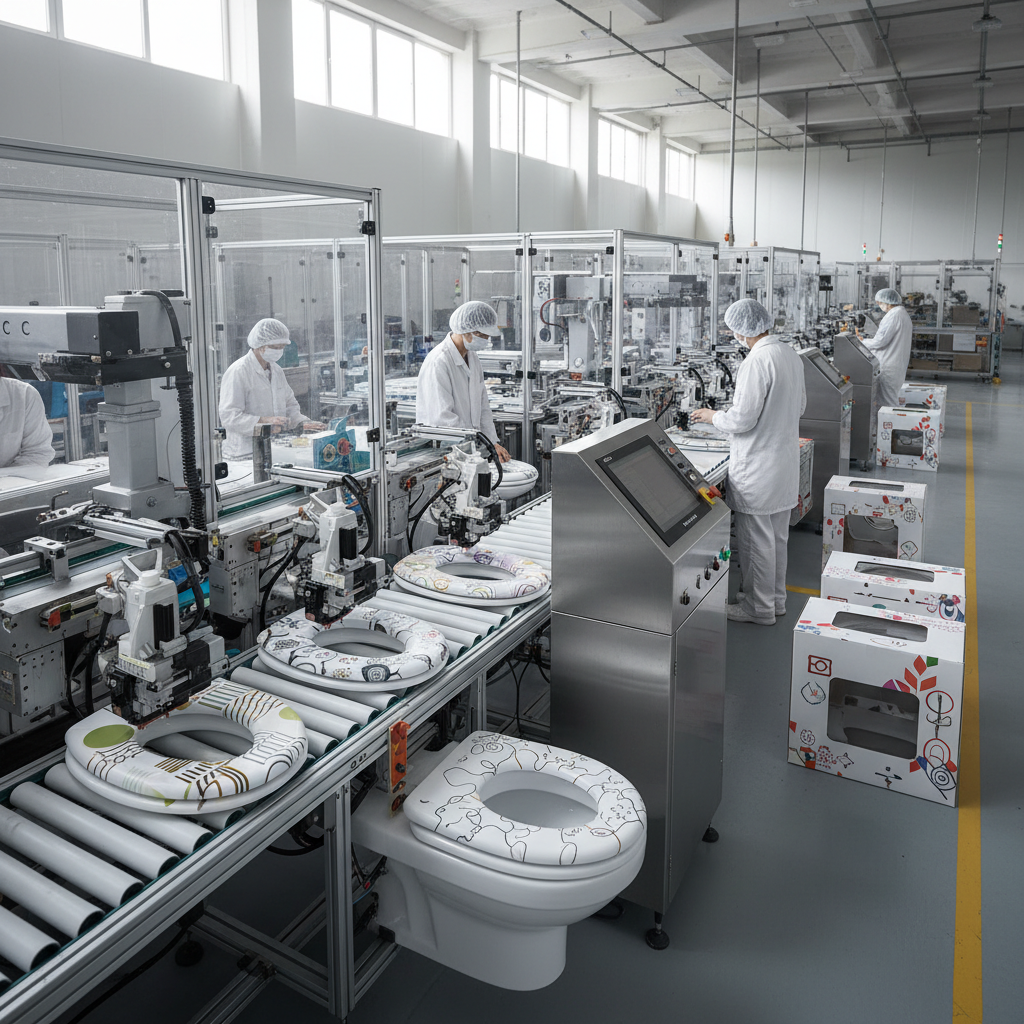
Mastering Custom Toilet Seat Packaging Design for Retail Success
Discover how custom toilet seat packaging design for retail can elevate your brand, protect products, and captivate B2B buyers. Learn essential strategies for distributors, retailers, and importers.
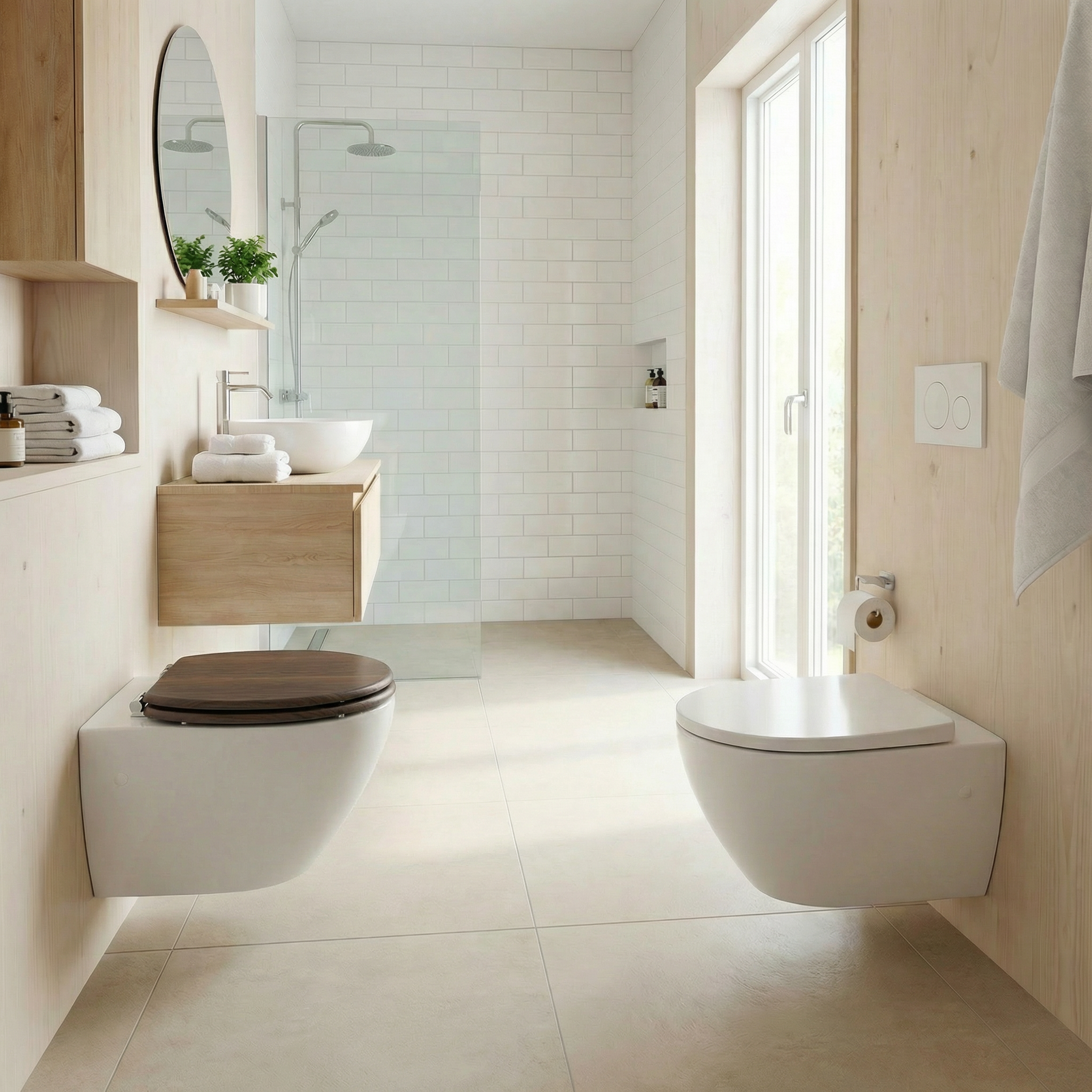
MDF Toilet Seats: Why They're the Top Choice for European Retailers
Discover why MDF toilet seats are increasingly becoming the preferred option for European retailers and consumers alike. This comprehensive guide explores the benefits, manufacturing process, and market advantages of medium density fiberboard toilet seats, highlighting their durability, aesthetic appeal, and cost-effectiveness. Learn how Jell Group, a leading MDF toilet seat manufacturer, supports businesses with high-quality, customizable solutions for the discerning European market. Explore the versatility and sustainability of these essential bathroom fixtures.
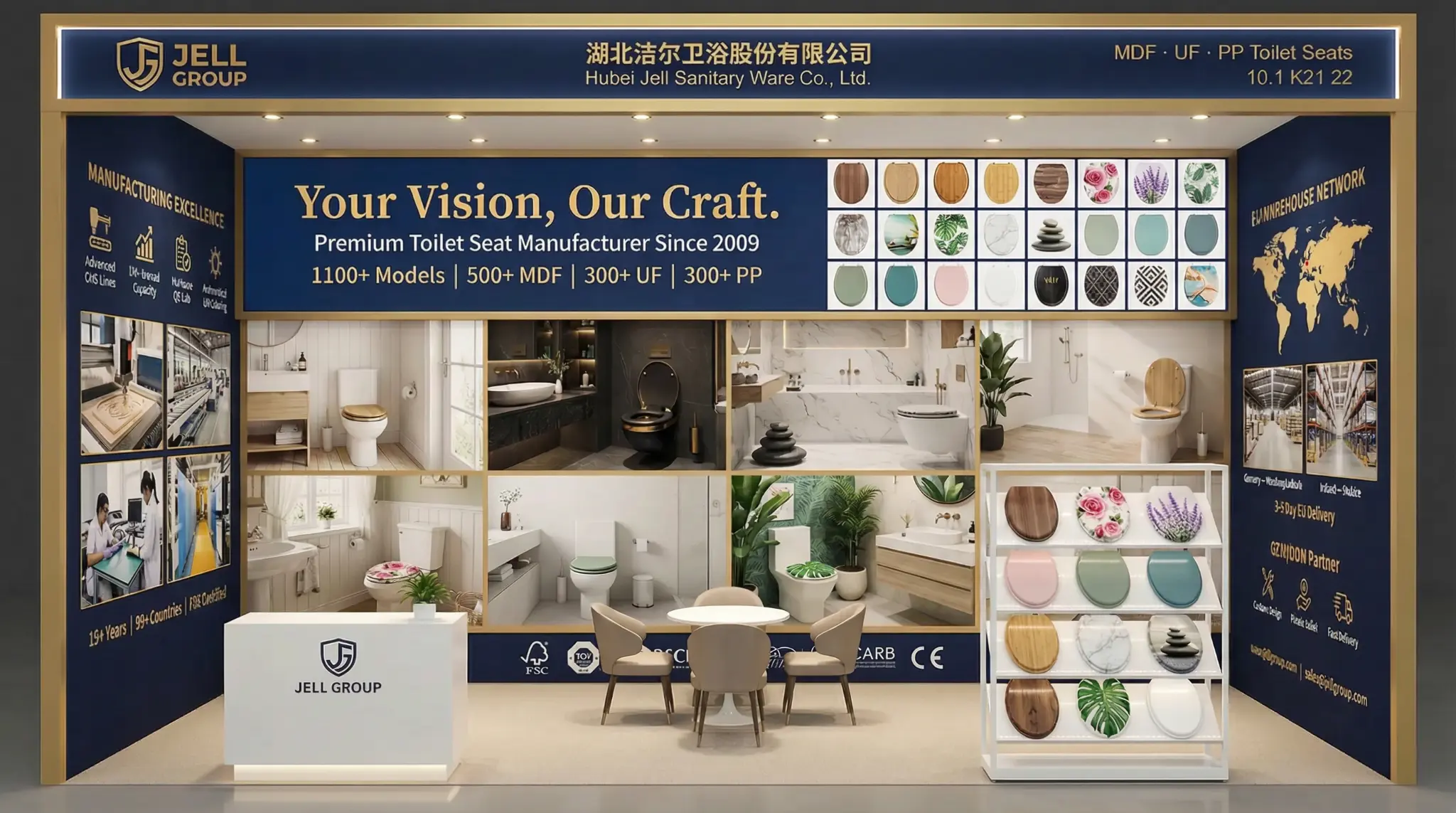
Jell Group at Canton Fair 2026 Phase 2 — Sanitary Ware Hall | April 23-27
Jell Group will exhibit at the 139th Canton Fair Phase 2 from April 23-27, 2026 in the Sanitary Ware Hall. Meet us to explore 1100+ MDF, UF, and PP toilet seat models with OEM/ODM services for global buyers.
Jell Group at Russia Building Materials Exhibition 2026 — Hall 3.15, Booth M9037
Jell Group will participate in the Russia Building Materials Exhibition from March 31 to April 3, 2026. Visit us at Hall 3.15, Booth M9037 to discover premium MDF, UF, and PP toilet seats for the Russian and CIS markets.