Introduction to Antimicrobial Toilet Seats in Healthcare
In healthcare environments, maintaining impeccable hygiene is not just a best practice; it's a critical component of patient safety and infection control. Every surface, especially those frequently touched, presents a potential pathway for microbial transmission. Among these, toilet seats are often overlooked yet are high-risk touchpoints. This is where advanced solutions like antimicrobial toilet seat coatings, particularly those leveraging cutting-edge silver ion technology, become indispensable.
As a leading manufacturer of high-quality toilet seats, Jell Group understands the stringent demands of medical facilities, nursing homes, and other institutional settings. Our commitment to innovation drives us to develop products that not only offer comfort and durability but also actively contribute to a healthier environment. This article delves into the science and practical benefits of silver ion-infused antimicrobial toilet seats, explaining why they are a vital investment for modern healthcare providers looking to elevate their hygiene protocols.
The Challenge of Infection Control in Healthcare
Hospital-acquired infections (HAIs), also known as nosocomial infections, pose a significant threat to patient health and place immense strain on healthcare systems worldwide. According to the World Health Organization (WHO), hundreds of millions of patients are affected by HAIs globally each year, leading to prolonged hospital stays, long-term disability, increased resistance to antimicrobials, and even death. Surfaces play a crucial role in the transmission of these pathogens.
Common bacteria like E. coli, Staphylococcus aureus (including MRSA), and various viruses can survive on inanimate surfaces for extended periods, sometimes weeks or even months. Traditional cleaning methods, while essential, offer only temporary disinfection. As soon as a surface is touched again, re-contamination can occur. This creates a continuous cycle of potential infection, making it imperative to seek proactive, long-lasting solutions.
"Effective surface hygiene goes beyond routine cleaning; it requires innovative materials that actively resist microbial growth to create a safer environment for vulnerable populations." - Jell Group Technical Team
The bathroom, by its very nature, is a hotbed for microbial activity. Toilet seats, in particular, are frequently used and touched, making them prime candidates for harboring and transmitting pathogens. Therefore, integrating materials that can continuously reduce microbial loads on these surfaces is a game-changer for infection prevention strategies.
What Are Antimicrobial Toilet Seat Coatings?
Antimicrobial toilet seat coatings are specialized surface treatments or materials incorporated directly into the toilet seat during manufacturing. Their primary function is to inhibit the growth and survival of microorganisms, including bacteria, molds, and fungi, on the surface of the seat. Unlike disinfectants, which provide a temporary kill, these coatings offer continuous protection, working 24/7 to keep the surface cleaner at a microbial level.
These coatings are not merely aesthetic; they are engineered at a molecular level to disrupt microbial life cycles. They can be applied as a top layer or, more effectively, integrated into the material composition itself, ensuring their efficacy throughout the product's lifespan. The goal is to create an inhospitable environment for microbes, thereby reducing the risk of cross-contamination and enhancing overall hygiene.
Jell Group utilizes advanced techniques to infuse our toilet seat materials with these protective properties, ensuring that the antimicrobial agents are evenly distributed and durable. This results in a product that not only meets but often exceeds the rigorous hygiene standards required in healthcare settings.
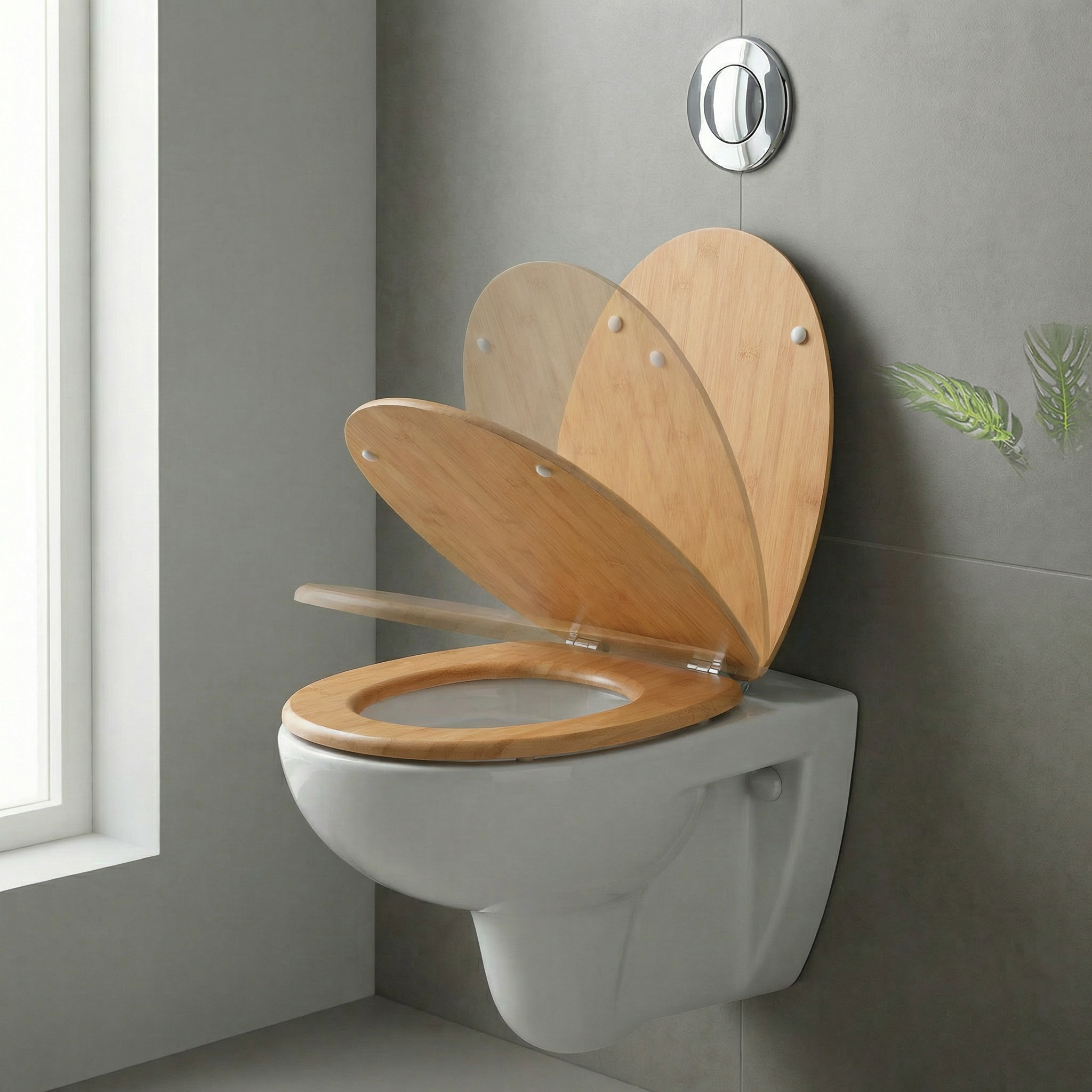
Silver Ion Technology: How It Works
Among the various antimicrobial technologies available, silver ion technology stands out for its proven efficacy, safety, and durability. Silver has been recognized for its antimicrobial properties for centuries, long before modern science understood the mechanisms. Today, it's a cornerstone of advanced hygiene solutions.
Here's how silver ion technology works in antimicrobial toilet seat coatings:
- Integration: Microscopic silver compounds (often silver salts or zeolites containing silver) are embedded into the polymer matrix of the toilet seat material during the manufacturing process. This ensures the antimicrobial protection is an intrinsic part of the seat, not just a surface layer that can wear off.
- Ion Release: When bacteria come into contact with the surface, or in the presence of moisture (even ambient humidity), silver ions (Ag+) are slowly and continuously released from the material.
- Multi-pronged Attack on Microbes: Silver ions are highly reactive and target bacteria through several mechanisms:
- Cell Wall Disruption: They bind to the bacterial cell wall, compromising its integrity and leading to leakage of cellular contents.
- Enzyme Inhibition: Silver ions interfere with essential metabolic enzymes, disrupting cellular respiration and energy production.
- DNA Interference: They can bind to bacterial DNA, preventing replication and reproduction.
- Broad-Spectrum Efficacy: This multi-modal action makes silver ions effective against a wide range of bacteria, including common pathogens found in healthcare settings.
- Long-Lasting Protection: Because the silver ions are slowly released, the antimicrobial effect is continuous and lasts for the lifetime of the product, unlike surface sprays that require frequent reapplication.
"Silver ions offer a robust, non-leaching, and long-lasting antimicrobial solution that is safe for human contact while being lethal to a broad spectrum of microbes." - Industry Expert Consensus
Jell Group's silver ion-infused toilet seats are engineered to provide this continuous, active protection, significantly reducing bacterial loads on the seat surface and contributing to a cleaner, safer environment. This technology is a passive yet powerful ally in the fight against HAIs.
Benefits of Silver Ion Antimicrobial Toilet Seats for Healthcare
Implementing toilet seats with silver ion antimicrobial coatings offers a multitude of benefits for healthcare facilities, directly impacting patient safety, operational efficiency, and overall hygiene standards.
- Reduced Risk of Cross-Contamination: This is the paramount benefit. By actively inhibiting bacterial growth, these seats significantly lower the chances of pathogens transferring from the seat to users or other surfaces. This is crucial in environments where vulnerable patients are present.
- Enhanced Infection Control: They act as a continuous, passive defense mechanism against the spread of HAIs, complementing existing cleaning protocols. Studies show that surfaces treated with silver ion technology can reduce bacterial populations by over 99.9% within 24 hours.
- Improved Hygiene Standards: Even between routine cleanings, the seat surface remains more hygienic, providing a higher level of cleanliness and peace of mind for both patients and staff.
- Odor Reduction: Many unpleasant odors in bathrooms are caused by bacteria. By controlling bacterial growth, antimicrobial seats can also contribute to a fresher, more pleasant environment.
- Durability and Longevity: Since silver ions are integrated into the material, the antimicrobial properties do not wash off or wear out over time, ensuring long-lasting protection throughout the product's lifespan. Jell Group's UF (Urea-Formaldehyde) and PP (Polypropylene) seats are particularly suited for this integration due to their robust material properties.
- Cost-Effectiveness: While the initial investment might be slightly higher than standard seats, the long-term benefits of reduced infection rates, improved patient outcomes, and potentially lower cleaning chemical usage can lead to significant cost savings. The average cost of a single HAI can range from $10,000 to $40,000, making prevention a critical financial consideration.
- Patient and Staff Confidence: Knowing that surfaces are actively protected against microbes can boost confidence among patients, visitors, and healthcare workers, fostering a perception of a safer, more caring environment.
- Compliance with Regulations: As hygiene standards become increasingly stringent, adopting advanced solutions like antimicrobial surfaces helps facilities meet and exceed regulatory requirements for infection prevention.
For distributors, retailers, and importers in Europe, the Middle East, and the Americas, offering Jell Group's antimicrobial toilet seats means providing a product that addresses a critical need in the healthcare sector, enhancing their portfolio with a high-value, high-demand solution.
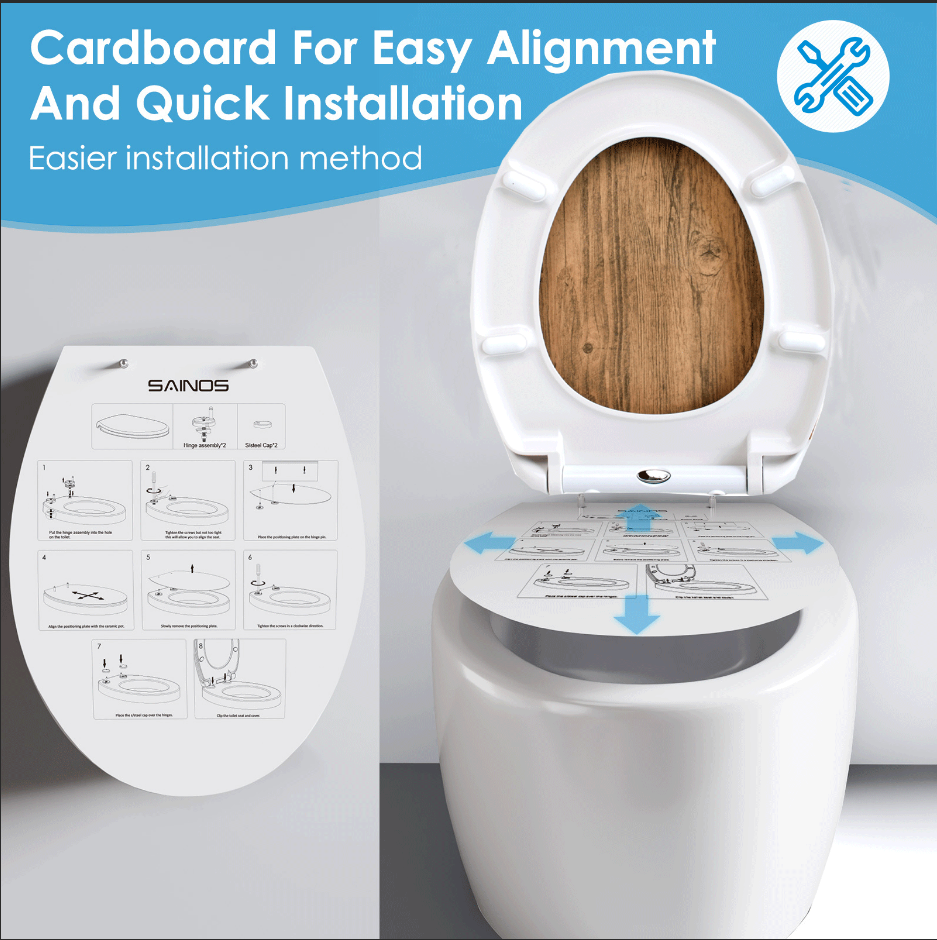
Comparison: Antimicrobial vs. Standard Toilet Seats
To fully appreciate the value of antimicrobial toilet seats, it's helpful to compare them directly with traditional options, especially in the context of healthcare and institutional use.
| Feature | Standard Toilet Seat | Antimicrobial Toilet Seat (Silver Ion) |
|---|---|---|
| Microbial Control | Passive (relies solely on cleaning) | Active & continuous (inhibits growth 24/7) |
| Infection Prevention | Limited, high risk of re-contamination | Significant reduction in cross-contamination risk |
| Odor Control | Minimal, dependent on cleaning frequency | Improved, as bacterial growth is inhibited |
| Durability of Protection | No inherent protection; cleaning efficacy fades quickly | Built-in, long-lasting for the product's lifespan |
| Cleaning Frequency | Requires frequent, thorough disinfection | Complements cleaning, maintains hygiene between cleans |
| Target Environment | General residential/commercial use | Healthcare, schools, public facilities, high-traffic areas |
| Cost (Initial) | Lower | Moderately higher due to advanced technology |
| Long-term Value | Lower, higher risk of HAIs | Higher, reduced HAI risk & enhanced safety |
This comparison clearly illustrates that while standard toilet seats serve their basic function, they fall short in environments where infection control is paramount. Antimicrobial seats, particularly those from Jell Group with silver ion technology, offer a superior solution for maintaining hygiene and safety.
Jell Group's Commitment to Hygiene and Quality
As Hubei Jell Sanitary Co., Ltd., established in 2009, Jell Group has built a reputation for manufacturing high-quality toilet seats designed for diverse global markets. Our expertise spans MDF, UF (Urea-Formaldehyde), and PP (Polypropylene) toilet seats, including advanced smart bidet toilet seats. Our dedication to innovation and quality is particularly evident in our antimicrobial product lines.
We understand that for our B2B partners – distributors, retailers, and importers across Europe, the Middle East, and the Americas – reliability and performance are key. That's why Jell Group's antimicrobial toilet seats are:
- Engineered for Efficacy: We integrate silver ion technology directly into the material, ensuring consistent and long-lasting antimicrobial action.
- Built to Last: Our UF and PP materials are known for their strength, scratch resistance, and chemical resistance, making them ideal for the demanding conditions of healthcare environments.
- Certified for Quality: We adhere to strict international standards, holding certifications such as ISO 9001, TÜV, and BSCI, ensuring our manufacturing processes meet global benchmarks for quality and ethical practices. Our FSC certification also demonstrates our commitment to responsible sourcing for MDF products.
- Globally Accessible: With warehouses in Germany (Mönchengladbach) and Poland (Słubice), we ensure efficient logistics and timely delivery to our European partners, complementing our extensive export network to over 50 countries.
- OEM/ODM Capable: We offer flexible OEM/ODM services, allowing partners to customize antimicrobial solutions to meet specific market demands or branding requirements.
Choosing Jell Group means partnering with a manufacturer that prioritizes public health and delivers products that genuinely make a difference in infection prevention. Explore our product range to see the full scope of our offerings.
Implementing Antimicrobial Solutions in Your Facility
For healthcare facility managers, procurement officers, and architects, integrating antimicrobial toilet seats into new constructions or renovation projects is a straightforward yet impactful decision. Here's how to approach it:
- Assess Needs: Identify high-traffic areas and patient care zones where enhanced hygiene is most critical. This includes patient rooms, examination areas, public restrooms within hospitals, and long-term care facilities.
- Specify Quality Materials: When sourcing, prioritize manufacturers like Jell Group who explicitly state the use of integrated silver ion technology and provide relevant certifications.
- Educate Staff: While antimicrobial seats reduce bacterial load, they do not replace the need for regular cleaning and disinfection protocols. Educate cleaning staff on the benefits and ensure they understand that these seats are an added layer of protection.
- Communicate Benefits: Inform patients and visitors about the advanced hygiene measures in place. This can enhance trust and satisfaction.
- Consider Full Bathroom Solutions: Pair antimicrobial toilet seats with other hygiene-focused products, such as touchless faucets and soap dispensers, for a holistic approach to infection control in restrooms.
By making informed choices about sanitary ware, healthcare facilities can significantly bolster their defenses against HAIs and create a safer environment for everyone.
Conclusion: A Safer Future with Antimicrobial Technology
The imperative for superior hygiene in healthcare settings has never been greater. Antimicrobial toilet seat coatings, powered by advanced silver ion technology, represent a significant leap forward in infection prevention. They offer a continuous, proactive defense against microbial growth, complementing traditional cleaning and disinfection efforts.
For B2B buyers seeking to equip healthcare facilities with the best possible sanitary solutions, Jell Group stands as a trusted partner. Our commitment to quality, innovation, and global service ensures that our antimicrobial toilet seats provide the durability, efficacy, and peace of mind required in demanding medical environments. By choosing Jell Group, you're not just purchasing a toilet seat; you're investing in a healthier, safer future for patients and staff alike.
To learn more about our antimicrobial toilet seat options or to discuss your specific OEM/ODM requirements, please contact us today. Let's build a cleaner world, together.
Key Takeaways
- Antimicrobial toilet seat coatings, especially with silver ion technology, are crucial for infection control in healthcare settings.
- Silver ions continuously inhibit bacterial growth (over 99.9% reduction) by disrupting cell walls, enzymes, and DNA.
- These seats significantly reduce the risk of cross-contamination and hospital-acquired infections (HAIs).
- Benefits include enhanced hygiene, odor reduction, long-lasting protection, and improved patient/staff confidence.
- Jell Group offers high-quality, durable antimicrobial UF and PP toilet seats, backed by international certifications and global distribution.
- Implementing these solutions contributes to a safer environment and aligns with stringent hygiene regulations.
Frequently Asked Questions (FAQ)
What exactly are antimicrobial toilet seat coatings?
Antimicrobial toilet seat coatings are specialized treatments or materials integrated into the toilet seat that actively inhibit the growth of bacteria, molds, and fungi on the surface. They provide continuous protection, reducing microbial loads and the risk of cross-contamination.
How does silver ion technology work in these coatings?
Microscopic silver ions (Ag+) are embedded in the seat material. When microbes come into contact with the surface, these ions are slowly released. They then disrupt bacterial cell walls, interfere with vital enzymes, and damage DNA, effectively preventing microbial growth and reproduction.
Are antimicrobial toilet seats safe for users?
Yes, silver ion technology used in these coatings is proven safe for human contact. The silver ions are integrated into the material and released in minute, controlled amounts that are effective against microbes but harmless to humans.
How long do the antimicrobial properties last?
When silver ions are integrated into the material during manufacturing, as with Jell Group's products, the antimicrobial properties are designed to last for the entire lifespan of the toilet seat. They do not wash off or wear out over time.
Do antimicrobial toilet seats replace the need for cleaning?
No, antimicrobial toilet seats do not replace the need for regular cleaning and disinfection. They are an additional, continuous layer of protection that significantly enhances hygiene between cleanings, making the surface inherently cleaner at a microbial level. They complement, rather than substitute, standard hygiene protocols.
What types of healthcare facilities benefit most from these seats?
All healthcare facilities can benefit, but they are particularly valuable in hospitals, clinics, nursing homes, long-term care facilities, rehabilitation centers, and any public restroom with high traffic and a need for stringent hygiene standards.
Can Jell Group customize antimicrobial toilet seats for specific needs?
Yes, Jell Group offers comprehensive OEM/ODM capabilities. We can work with B2B partners to customize designs, materials (MDF, UF, PP), and integrate antimicrobial technology to meet specific market demands or facility requirements.

Jell Group Technical Team
The Jell Group Technical Team comprises experienced engineers and product specialists from Hubei Jell Sanitary Co., Ltd. With over a decade of expertise in toilet seat manufacturing, including advanced materials like UF and PP, and innovative technologies such as silver ion antimicrobial coatings, the team is dedicated to developing high-quality, durable, and hygienic sanitary solutions for global markets. Their insights are rooted in extensive R&D, rigorous testing, and a deep understanding of international quality standards and customer needs.
Ready to enhance hygiene in your healthcare facility with advanced antimicrobial toilet seats? Contact Jell Group today to discuss our silver ion technology solutions and explore our OEM/ODM capabilities. Email us at [email protected] or call us at +86-712-XXXX-XXXX (replace with actual number).
blog.relatedArticles
Carbon Footprint of Toilet Seat Manufacturing: MDF vs. UF vs. PP
Understanding the environmental impact of toilet seat production is crucial for B2B buyers. This article delves into the carbon footprint of MDF, UF, and PP toilet seats, offering a comprehensive comparison to help you make sustainable sourcing decisions for your business.
Raised Toilet Seats for Knee Replacement Recovery: Height & Comfort Guide
Discover how raised toilet seats are essential for a smoother knee replacement recovery. This guide covers ideal heights, comfort features, and material considerations for optimal post-operative care, ensuring safety and independence.
Importing MDF Toilet Seats to Bahrain: Market Demand & Logistics
Explore the burgeoning market for MDF toilet seats in Bahrain, covering key demand drivers, logistical considerations, and regulatory aspects for successful import. Discover how Jell Group facilitates smooth B2B operations for MDF toilet seat Bahrain import.
Importing Toilet Seats to Saudi Arabia: SASO Standards & Compliance Guide
Navigating the complexities of importing toilet seats to Saudi Arabia requires a deep understanding of SASO standards. This guide provides essential insights for B2B buyers, ensuring compliance and smooth market entry.
Industry Case Studies
Jan K. — Łazienka Plus Sp. z o.o.
Competing in Allegro's highly price-sensitive bathroom category required a supplier who could deliver quality products at competitive FOB prices, with local warehousing to enable same-day dispatch. Previous suppliers couldn't match the price-quality balance needed.
Dmitry K. — SantehTorg LLC
Russia's e-commerce market requires Cyrillic packaging, GOST certification, and reliable logistics despite geopolitical complexities. Finding a manufacturer with consistent supply chain capabilities was critical.
Michael T. — Aussie Bath Supplies Pty Ltd
Australia requires WaterMark certification for plumbing products and specific sizing for Australian-standard toilets. Bunnings Warehouse has strict vendor requirements and expects competitive pricing for their volume.