Navigating the Green Imperative: Why CARB-Certified MDF Toilet Seats are Essential for B2B Buyers in Europe and Beyond
In today's global marketplace, the demand for sustainable and environmentally compliant products is no longer a niche preference but a fundamental requirement. For B2B buyers – distributors, retailers, and importers across Europe, the Middle East, and the Americas – sourcing products that meet stringent environmental regulations is paramount. This is especially true for items like MDF toilet seats, where material composition directly impacts indoor air quality and ecological footprint. This article delves into the critical importance of CARB-certified MDF toilet seats, exploring how they not only meet but often exceed the rigorous environmental standards set by the European Union and other major markets. We'll uncover the science behind formaldehyde emissions, the regulatory frameworks governing them, and how choosing certified products can safeguard your business, enhance your brand reputation, and contribute to a healthier planet.
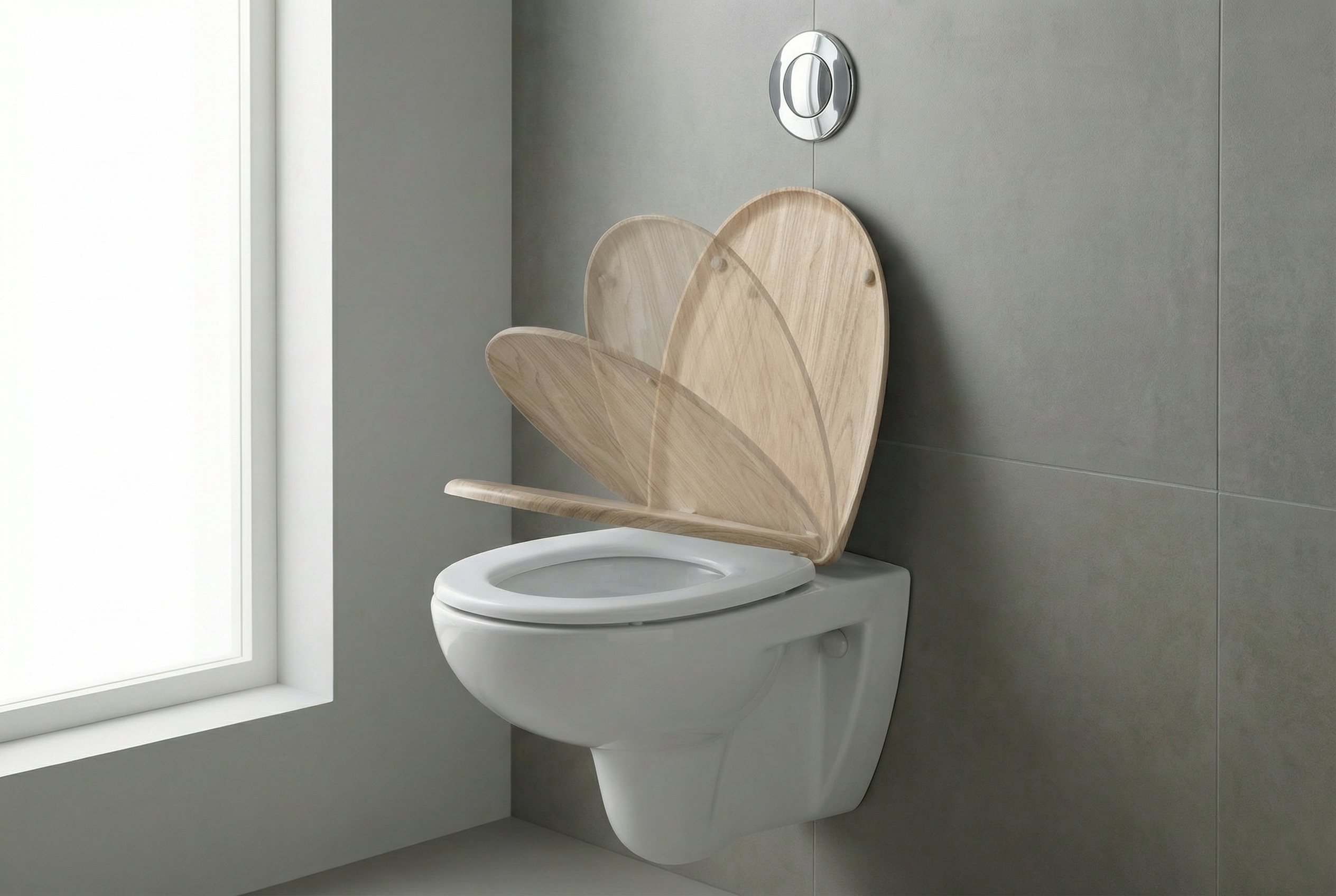
As a leading toilet seat manufacturer established in 2009, Jell Group understands these complexities intimately. Our commitment to quality and sustainability is reflected in our processes and products, ensuring that our partners receive solutions that are both high-performing and environmentally responsible.
The Environmental Imperative: Understanding Formaldehyde and Its Regulations
Formaldehyde is a naturally occurring organic compound, but synthetic formaldehyde is widely used in various industrial processes, notably in the production of wood-based panels like Medium-Density Fiberboard (MDF). While essential for bonding wood fibers, excessive formaldehyde emissions from finished products can pose health risks, including respiratory irritation and, in high concentrations, potential carcinogenic effects. This concern has led to the development of strict regulations worldwide.
What is Formaldehyde and Why Does it Matter for MDF?
- Chemical Composition: Formaldehyde (CH₂O) is a colorless, pungent-smelling gas at room temperature.
- Use in MDF: It's a key component in urea-formaldehyde (UF) resins, which act as binders for wood particles in MDF.
- Health Concerns: Long-term exposure to high levels can cause eye, nose, and throat irritation, and is classified as a human carcinogen by the International Agency for Research on Cancer (IARC).
- Indoor Air Quality: Products emitting formaldehyde contribute to Volatile Organic Compounds (VOCs) in indoor environments, impacting air quality.
Recognizing these risks, regulatory bodies have established limits on formaldehyde emissions to protect public health. The most prominent of these regulations, particularly influencing the global wood product market, is the California Air Resources Board (CARB) Airborne Toxic Control Measure (ATCM).
CARB Certification: The Gold Standard for Low-Emission Wood Products
The California Air Resources Board (CARB) developed the Airborne Toxic Control Measure (ATCM) for formaldehyde emissions from composite wood products. This regulation, initially implemented in two phases (Phase 1 and Phase 2), has become a de facto global standard due to California's significant economic influence and strict environmental policies. It's often considered a benchmark for eco-friendly MDF toilet seat manufacturing.
Key Aspects of CARB ATCM
- Phase 1 (CARB P1): Implemented in 2009, setting initial emission limits.
- Phase 2 (CARB P2): Implemented in 2010, significantly lowering the allowable formaldehyde emission levels for composite wood products, including MDF. For MDF, the limit is 0.11 ppm (parts per million).
- Third-Party Certification: Manufacturers must have their products tested and certified by CARB-approved Third-Party Certifiers (TPCs).
- Quality Control: Requires robust internal quality control programs, including regular testing and record-keeping.
- Labeling: Products must be clearly labeled as CARB P2 compliant.
The impact of CARB P2 extends far beyond California. Many countries and regions, including the European Union, have adopted similar or equivalent standards, or recognize CARB P2 as sufficient proof of low formaldehyde emissions. This makes CARB-certified MDF toilet seat products highly desirable for international trade.

EU Environmental Standards: A Harmonized Approach to Product Safety
The European Union has a comprehensive framework for regulating chemicals and product safety, aiming to protect human health and the environment. While the EU doesn't have a single
blog.relatedArticles
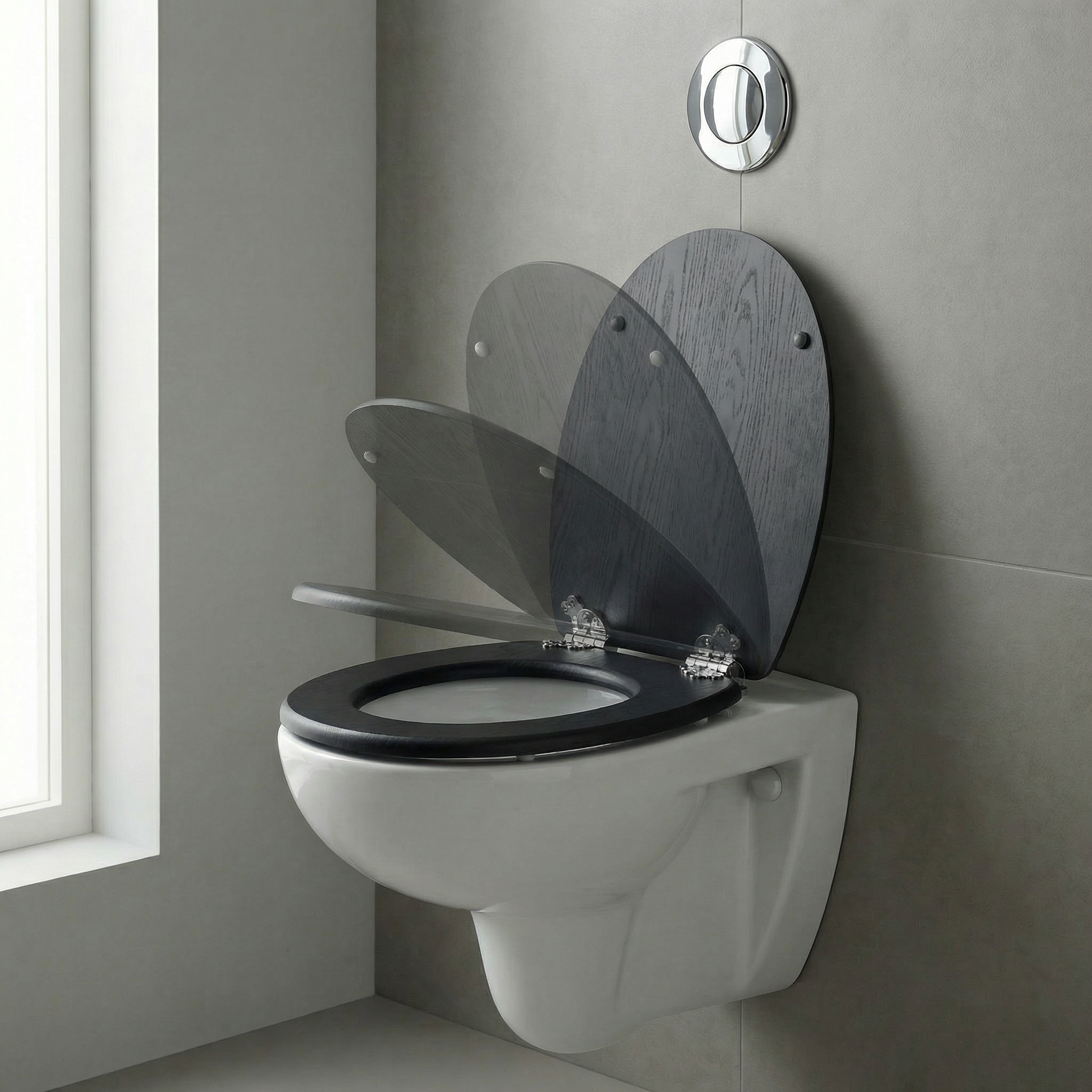
Launch Your Private Label Toilet Seat Brand with Jell Group
Discover how to successfully launch your own private label toilet seat brand. Learn about market opportunities, product selection, manufacturing partnerships, branding, and distribution strategies. Jell Group offers expert OEM/ODM solutions for a seamless launch.

MDF Toilet Seats: The Ultimate B2B Buying Guide
Discover the advantages of MDF toilet seats for your business. This comprehensive guide covers material benefits, durability, aesthetics, and key considerations for B2B buyers seeking quality and value from a trusted manufacturer like Jell Group.
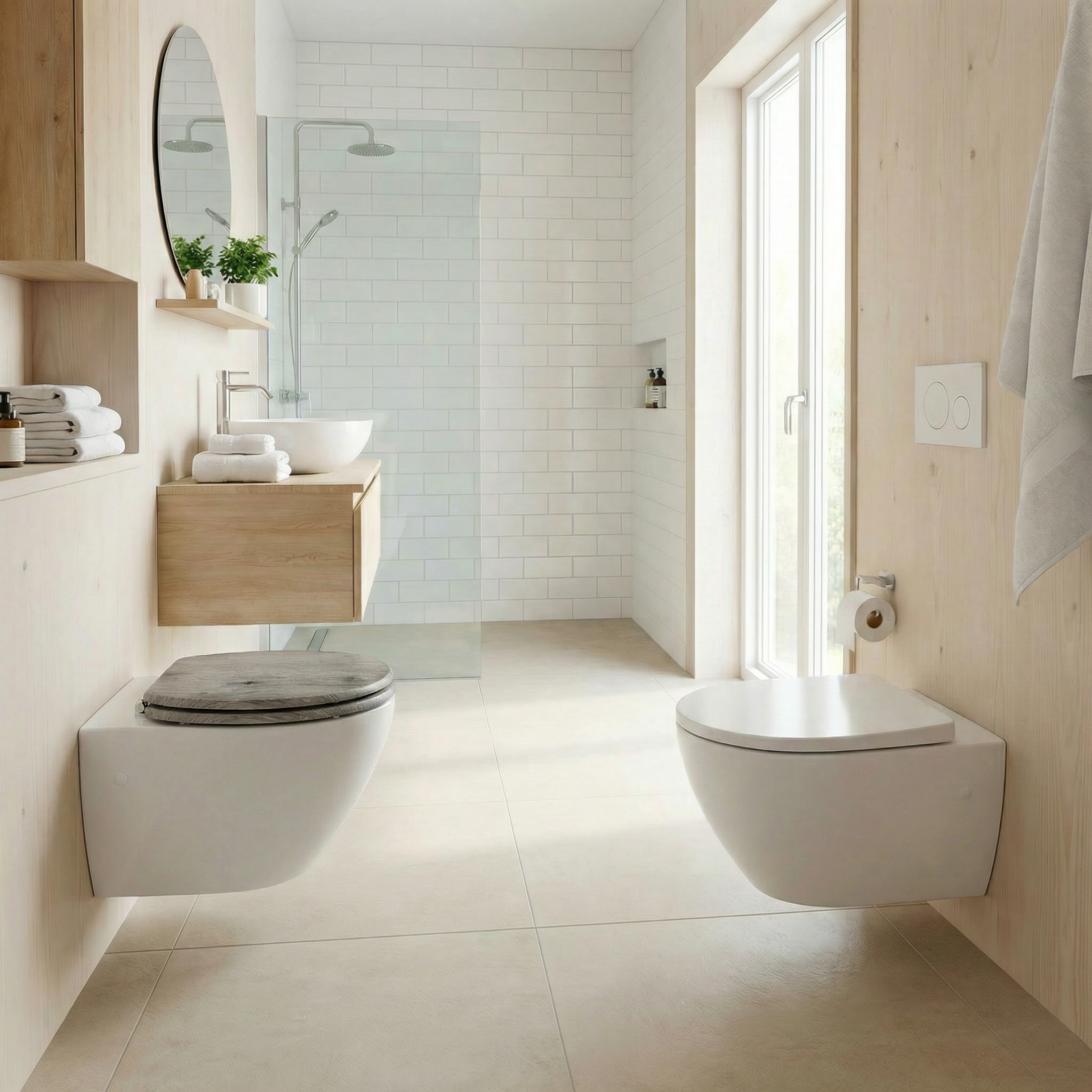
Cdiscount Toilet Seat Compliance: CE, FSC, REACH & Safety Guide
Navigate essential compliance for selling toilet seats on Cdiscount France. This guide covers CE, FSC, REACH, BSCI, and product safety, detailing how Jell Group simplifies your market entry on Cdiscount.
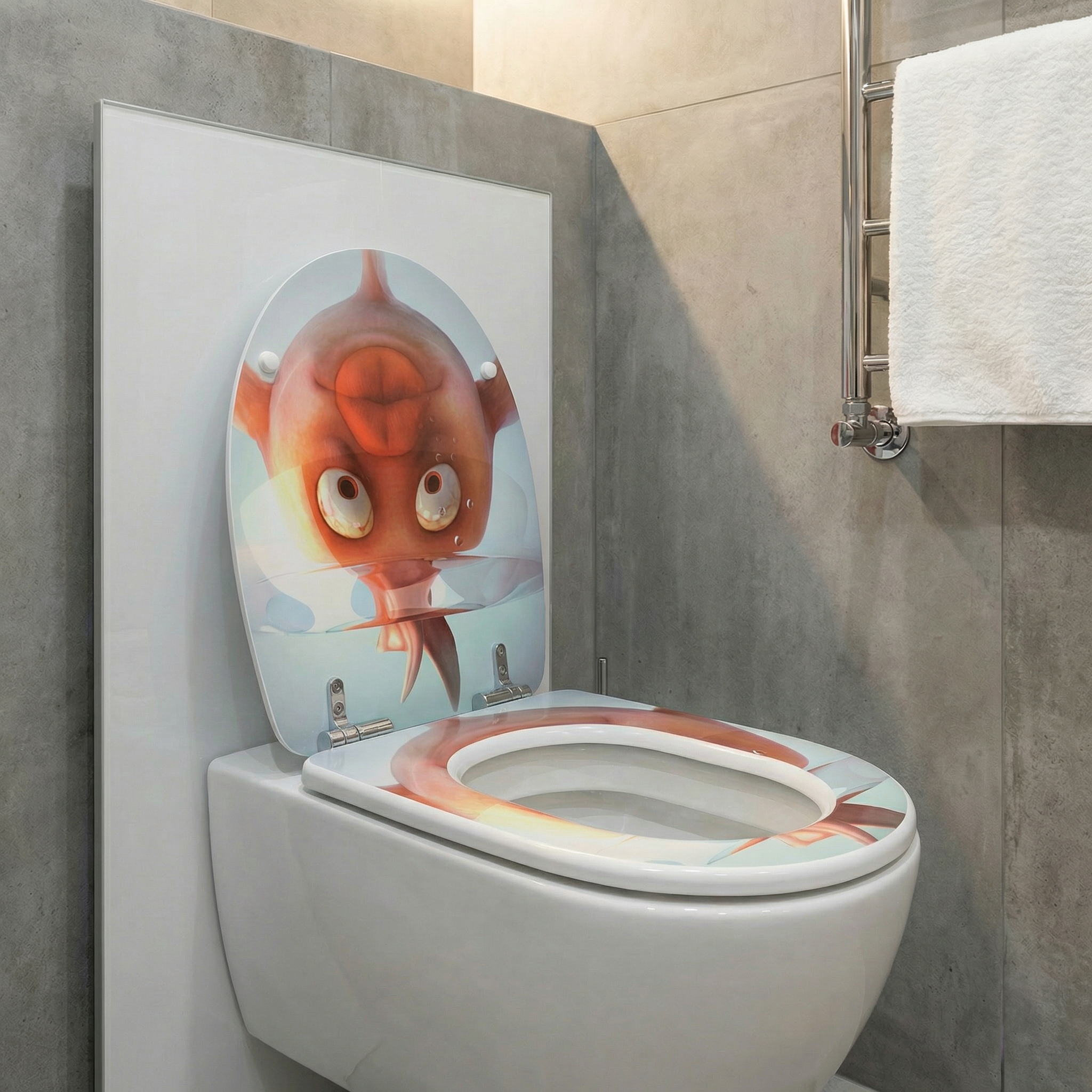
Toilet Seat Warranties: Your Guide to Quality Guarantees
Navigate toilet seat warranties with confidence. Understand common terms, what's covered, and how Jell Group's commitment to quality ensures lasting value for your business. Essential knowledge for B2B buyers seeking reliable bathroom fixtures.