Navigating the European Toilet Seat Market: An In-Depth Analysis for B2B Buyers
The European toilet seat market is a dynamic landscape, shaped by evolving consumer demands, stringent quality standards, and a growing emphasis on sustainability and innovation. For B2B buyers – including distributors, retailers, and importers – understanding the nuances of this market is crucial for strategic sourcing and competitive advantage. This comprehensive European toilet seat market analysis delves into the key trends, challenges, and opportunities across major European economies, with a specific focus on Germany, France, and the United Kingdom. We will explore market drivers, consumer preferences, and the role of leading manufacturers like Jell Group in shaping the future of sanitaryware.
The sanitaryware sector, particularly the toilet seat segment, is influenced by several macroeconomic factors, including housing construction rates, renovation cycles, and disposable income. Furthermore, cultural preferences and regulatory frameworks significantly impact product development and market penetration. As a leading toilet seat manufacturer with over a decade of experience, Jell Group is uniquely positioned to offer insights into these complex market dynamics, providing high-quality OEM/ODM solutions tailored to European demands.
Global Context: The European Market's Position
Globally, the toilet seat market is projected to grow steadily, driven by urbanization, improving hygiene standards, and product innovation. Europe, with its mature economies and high living standards, represents a significant portion of this market. While growth rates might be more modest compared to emerging markets, the emphasis on premiumization, smart features, and sustainable materials offers substantial value creation. The europäischer WC-Sitz Markt Analyse reveals a consistent demand for durable, hygienic, and aesthetically pleasing products.
- Market Size: The European sanitaryware market, including toilet seats, is valued in the billions of Euros, with toilet seats forming a critical component of bathroom renovations and new constructions.
- Growth Drivers: Population growth, increasing focus on bathroom aesthetics, demand for eco-friendly products, and the rising popularity of smart home technologies contribute to market expansion.
- Key Segments: Residential (new construction, renovation) and commercial (hotels, offices, public facilities) are the primary end-user segments.
Understanding these overarching trends is the first step in formulating a successful procurement strategy. For detailed product specifications and manufacturing capabilities, please explore our product range.
Deep Dive: Germany – Precision, Quality, and Sustainability
Germany, as Europe's largest economy, is a cornerstone of the European toilet seat market. German consumers and businesses prioritize quality, durability, and functional design. The europäischer WC-Sitz Markt Analyse consistently highlights Germany's demand for products that meet rigorous technical standards and offer long-term reliability.
Key Characteristics of the German Market:
- Emphasis on Quality and Durability: German buyers are willing to invest in high-quality products that offer longevity and performance. Materials like Duroplast (UF) and high-grade MDF are particularly popular due to their robustness and premium feel.
- Design and Aesthetics: While functionality is paramount, modern German bathrooms also value sleek, minimalist designs. Soft-close hinges and quick-release mechanisms are standard expectations.
- Sustainability and Environmental Consciousness: Germany leads in environmental awareness. Products with FSC certification for MDF, energy-efficient manufacturing processes, and recyclable materials are highly sought after. Jell Group's FSC certification is a significant advantage in this market.
- Regulatory Compliance: Adherence to German and EU standards (e.g., REACH regulations, CE marking) is non-negotiable.
- DIY Market: A strong DIY culture means products need clear installation instructions and user-friendly features for end-consumers.
Data Point: Germany accounts for approximately 20-25% of the total Western European sanitaryware market value, indicating its significant purchasing power and demand for premium products.
For B2B buyers targeting Germany, partnering with a manufacturer that understands these strict requirements is essential. Jell Group's commitment to ISO 9001 quality management and TÜV certification directly addresses these German market demands.
Opportunities in Germany:
- Premium Segment: Growth in smart toilet seats and bidet functions, especially in urban areas and for an aging population.
- Renovation Market: A large stock of older housing units drives consistent demand for replacement toilet seats.
- Eco-Friendly Solutions: Opportunities for innovative, sustainable materials and manufacturing processes.
France – Style, Innovation, and Comfort
The French market, characterized by a blend of traditional elegance and a growing appetite for modern conveniences, presents unique opportunities. The analyse marché abattant WC Europe shows France as a market that appreciates both aesthetic appeal and practical innovation.
Key Characteristics of the French Market:
- Design and Aesthetics: French consumers value sophisticated design and a wide array of color and finish options. Toilet seats are often seen as an integral part of bathroom décor.
- Comfort and Hygiene: Comfort features, such as ergonomic designs, and enhanced hygiene, like easy-to-clean surfaces and antibacterial properties, are highly valued.
- Innovation: There's a growing interest in smart features, including bidet functions, particularly among younger demographics and in new constructions.
- Material Preferences: UF (Urea-Formaldehyde) and PP (Polypropylene) are popular for their hygiene and durability, while MDF also holds a steady share, especially in traditional settings.
- Retail Landscape: Large DIY chains and specialized bathroom retailers dominate the distribution channels.
Data Point: The French bathroom market, including sanitaryware, has shown steady growth, with a particular uptick in renovation projects contributing to toilet seat sales. Approximately 60% of French households undertake home renovation projects every 5 years.
Opportunities in France:
- Smart Bidet Seats: Significant untapped potential for smart bidet toilet seats, aligning with the growing demand for personal hygiene and comfort.
- Customization: Offering a diverse range of designs, colors, and patterns to cater to varied aesthetic preferences.
- Easy Installation: Products designed for straightforward installation appeal to both professionals and DIY enthusiasts.
United Kingdom – Value, Practicality, and E-commerce Growth
The UK market is characterized by a strong focus on value for money, practicality, and an increasingly dominant e-commerce presence. The European toilet seat market analysis for the UK reveals a competitive environment where price, alongside quality, plays a crucial role.
Key Characteristics of the UK Market:
- Value for Money: UK consumers are price-sensitive but do not compromise on essential quality. A balance between affordability and durability is key.
- Practicality and Ease of Maintenance: Easy-to-clean surfaces, quick-release hinges, and simple installation are highly valued.
- Material Diversity: PP toilet seats are popular for their cost-effectiveness, while MDF and UF also maintain strong market shares across different price points.
- E-commerce Dominance: Online sales channels have seen significant growth, requiring manufacturers and distributors to have robust e-commerce strategies and efficient logistics.
- Renovation Cycle: A consistent demand from the home improvement and renovation sector.
Data Point: E-commerce penetration for home improvement products, including sanitaryware, in the UK is among the highest in Europe, with online sales accounting for over 30% of the market in some categories.
Opportunities in the UK:
- Online Sales Optimization: Strong partnerships with manufacturers capable of supporting e-commerce logistics and diverse product offerings.
- Mid-Range Quality: Supplying durable and aesthetically pleasing products at competitive price points.
- DIY Sector: Products that are easy to install and replace, catering to the strong DIY culture.
Cross-Cutting Trends Across Europe
Beyond country-specific nuances, several overarching trends are shaping the entire European toilet seat market.
1. Smart Bidet Toilet Seats: The Future of Hygiene
The demand for smart bidet toilet seats is rapidly accelerating across Europe. Influenced by Asian markets and a growing awareness of personal hygiene, these products offer features like heated seats, adjustable water temperature and pressure, air drying, and even deodorization. While penetration is still lower than in Asia, the growth trajectory is steep. Jell Group, as a specialized manufacturer of smart bidet toilet seats, is at the forefront of this trend, offering advanced, customizable solutions for B2B partners.
2. Sustainability and Eco-Friendly Materials
Environmental concerns are driving demand for sustainable products. This includes toilet seats made from recycled materials, those with reduced environmental impact during manufacturing, and products that are durable and long-lasting to minimize waste. FSC-certified MDF toilet seats are a prime example, ensuring responsible forest management. Manufacturers with certifications like FSC and BSCI (Business Social Compliance Initiative) demonstrate a commitment to ethical and sustainable practices, which is increasingly important for European buyers.
3. Hygiene and Anti-Bacterial Properties
Post-pandemic, hygiene has become an even greater priority. Toilet seats with anti-bacterial coatings, easy-to-clean surfaces, and quick-release mechanisms for thorough cleaning are highly sought after. Materials like UF (Duroplast) are inherently non-porous and easy to sanitize, making them popular choices.
4. Accessibility and Universal Design
With an aging population across Europe, there's a growing need for products that cater to individuals with mobility challenges. This includes raised toilet seats, ergonomic designs, and features that enhance comfort and safety. Universal design principles are becoming more integrated into product development.
5. Customization and OEM/ODM Capabilities
B2B buyers often require specific designs, branding, or functional modifications to meet their market's unique demands. Manufacturers with robust OEM/ODM capabilities, like Jell Group, are invaluable partners. This allows for tailored product lines, exclusive designs, and brand consistency, providing a competitive edge in a crowded market.
Jell Group: Your Strategic Partner in the European Market
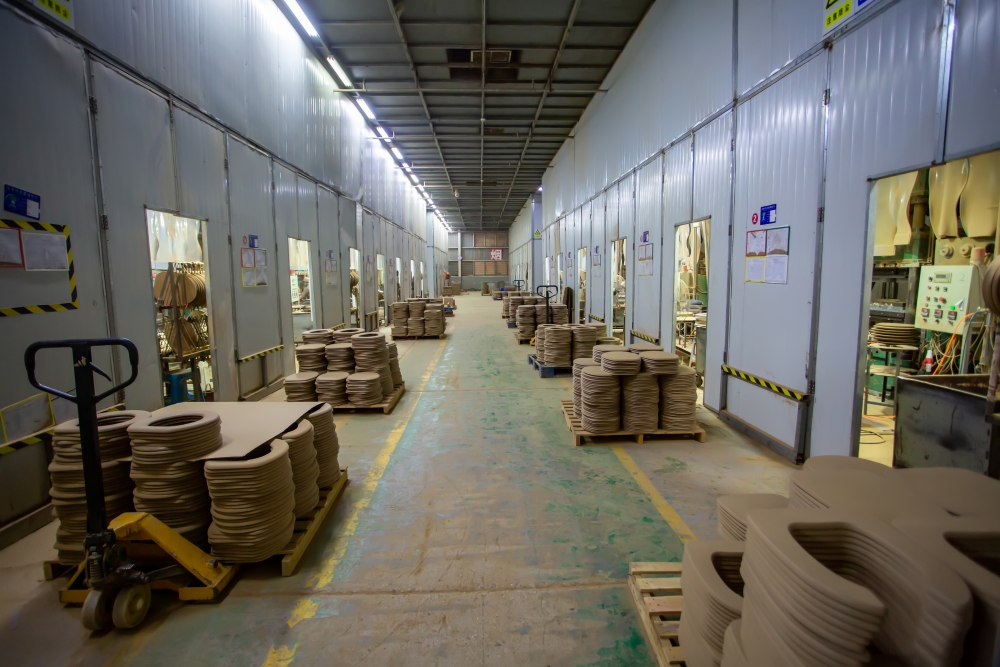
As a leading toilet seat manufacturer established in 2009, Jell Group (Hubei Jell Sanitary Co., Ltd.) is uniquely positioned to serve the diverse needs of the European market. Our extensive experience and commitment to quality make us an ideal partner for distributors, retailers, and importers across Germany, France, the UK, and beyond.
- Comprehensive Product Range: We specialize in MDF, UF, and PP toilet seats, alongside advanced smart bidet toilet seats, offering a solution for every market segment and price point.
- Quality Assurance: Our adherence to ISO 9001 quality management systems, coupled with TÜV certification, guarantees products that meet the highest European standards.
- Sustainable Practices: With FSC and BSCI certifications, we ensure our manufacturing processes are environmentally responsible and ethically sound, aligning with European values.
- Global Logistics & Local Presence: With warehouses strategically located in Germany (Mönchengladbach) and Poland (Łódź), we offer efficient distribution, reduced lead times, and streamlined logistics for our European partners. This local presence significantly enhances our ability to serve the europäischer WC-Sitz Markt Analyse requirements.
- OEM/ODM Expertise: Our strong R&D and manufacturing capabilities allow us to provide bespoke solutions, from custom designs and branding to specific functional modifications, ensuring your product line stands out.
- Export Experience: Exporting to over 50 countries, we have a deep understanding of international trade regulations and market specificities, including the analyse marché abattant WC Europe.
We understand that navigating the complexities of international trade and diverse market demands can be challenging. That's why Jell Group focuses on building strong, long-term partnerships, providing not just products, but comprehensive solutions that empower our B2B clients to succeed.
Conclusion: Seizing Opportunities in a Evolving Market
The European toilet seat market analysis reveals a landscape rich with opportunities for B2B buyers who are informed and strategic. Germany, France, and the UK, while distinct in their preferences, all share a common thread: a demand for quality, innovation, and reliability. From Germany's emphasis on precision and sustainability to France's appreciation for style and smart features, and the UK's focus on value and e-commerce, understanding these market specificities is paramount.
Partnering with a reputable and experienced manufacturer like Jell Group is not just about sourcing products; it's about gaining a competitive edge. Our commitment to quality, sustainability, and flexible OEM/ODM solutions, combined with our strategic European warehousing, makes us the ideal choice for your sanitaryware needs. We invite you to explore how our expertise can help you capitalize on the evolving trends in the European market.
For more information on our product offerings or to discuss your specific requirements, please do not hesitate to contact us. Let Jell Group be your trusted partner in delivering excellence to your customers.
FAQ
What are the primary material preferences for toilet seats in Europe?
In Europe, the primary material preferences vary by country and price segment. UF (Urea-Formaldehyde), also known as Duroplast, is highly popular across Germany and France due to its premium feel, durability, hygiene, and scratch resistance. MDF (Medium-Density Fibreboard) toilet seats are also widely used, especially in the UK and for traditional aesthetics, often valued for their warmth and robust construction. PP (Polypropylene) toilet seats are favored for their affordability, lightweight nature, and versatility, particularly in the UK and for entry-level segments. The choice often depends on the desired balance of cost, durability, aesthetics, and specific market demands.
How do sustainability certifications like FSC and BSCI impact the European toilet seat market?
Sustainability certifications like FSC (Forest Stewardship Council) and BSCI (Business Social Compliance Initiative) significantly impact the European toilet seat market, especially in environmentally conscious countries like Germany. FSC certification ensures that wood-based products, such as MDF toilet seats, come from responsibly managed forests, which is a major selling point for eco-aware consumers and retailers. BSCI certification demonstrates a commitment to ethical labor practices throughout the supply chain, appealing to buyers who prioritize corporate social responsibility. These certifications enhance a manufacturer's credibility, open doors to partnerships with major European retailers, and align products with growing consumer demand for sustainable and ethically produced goods.
What are the key advantages of partnering with a manufacturer that has European warehouses?
Partnering with a manufacturer like Jell Group that has European warehouses (e.g., in Germany and Poland) offers several key advantages for B2B buyers. Firstly, it significantly reduces lead times and shipping costs, making supply chains more efficient and responsive to market demand. Secondly, it simplifies logistics and customs procedures, as products are already within the EU customs territory. Thirdly, it allows for smaller, more frequent orders, optimizing inventory management and reducing the need for large, costly stock holdings. Finally, local warehousing enhances customer service and support, providing a competitive edge in a fast-paced market by ensuring quicker delivery and easier returns if necessary. This strategic presence is crucial for effectively serving the European toilet seat market analysis needs.
What role do OEM/ODM capabilities play in the European toilet seat market?
OEM (Original Equipment Manufacturer) and ODM (Original Design Manufacturer) capabilities are vital in the highly competitive European toilet seat market. For B2B buyers, OEM allows them to brand and market products manufactured by Jell Group under their own label, maintaining brand consistency and market presence without the overhead of manufacturing. ODM goes a step further, enabling buyers to customize existing designs or develop entirely new products based on specific market needs, trends, or unique selling propositions. This flexibility is crucial for differentiating product lines, catering to niche markets, and responding quickly to evolving consumer preferences in countries like Germany, France, and the UK, where design and functionality are key drivers. It empowers buyers to offer unique, tailored solutions that stand out from competitors.
blog.relatedArticles
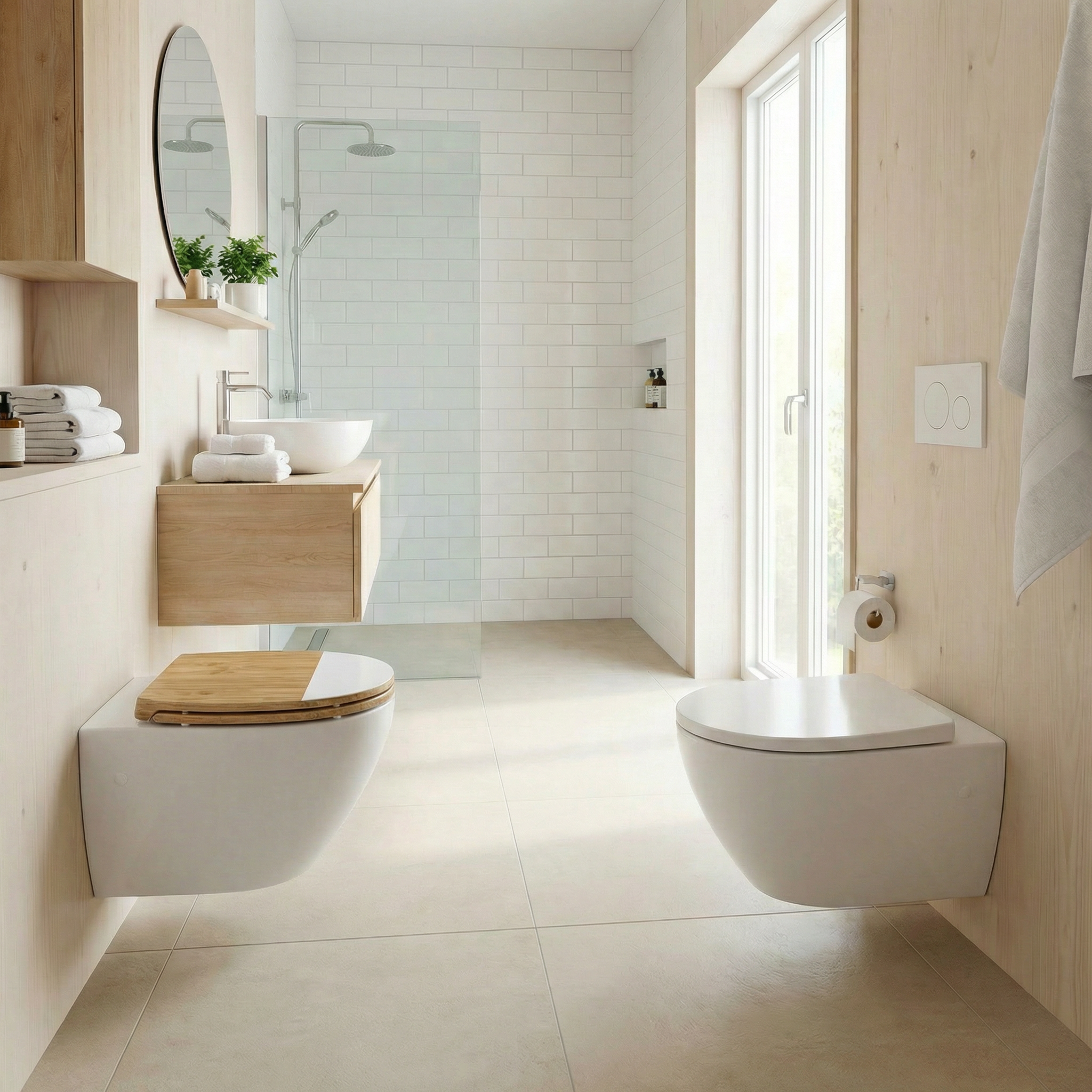
German Bathroom Market Trends & Toilet Seat Opportunities | Jell Group
Explore the dynamic German bathroom market, identifying key trends and lucrative opportunities for toilet seat manufacturers and distributors. Discover insights for success.
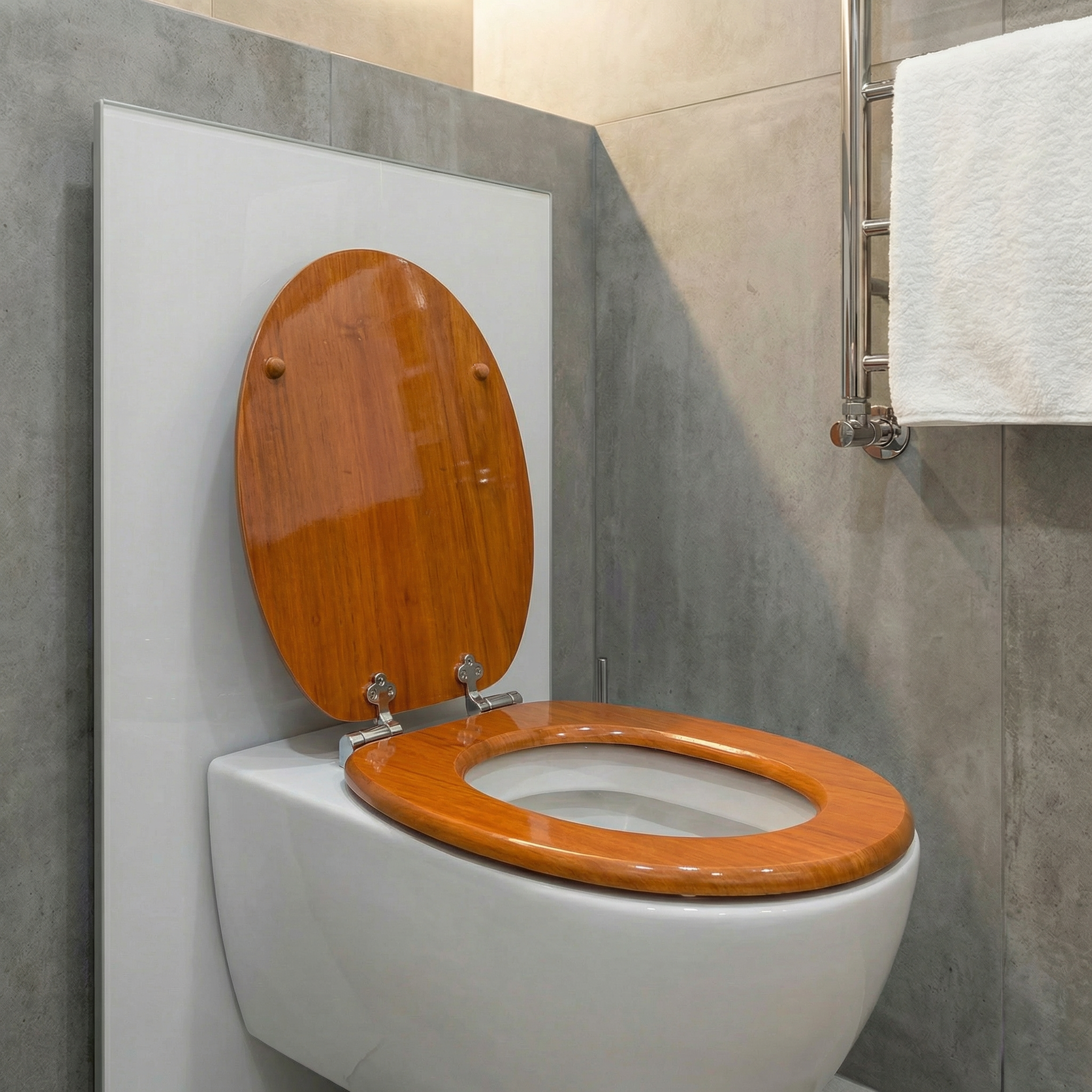
Temu Toilet Seat Market Analysis: Trends & Opportunities for Sellers
Explore the burgeoning toilet seat market on Temu, analyzing trends, competition, and pricing strategies. Discover how to leverage this platform for growth, with insights for B2B sellers.
French Bathroom Market: Consumer Preferences & Trends | Jell Group
Discover the evolving French bathroom market. Learn about consumer preferences, key trends like sustainability and smart technology, and opportunities for bathroom fixture suppliers.
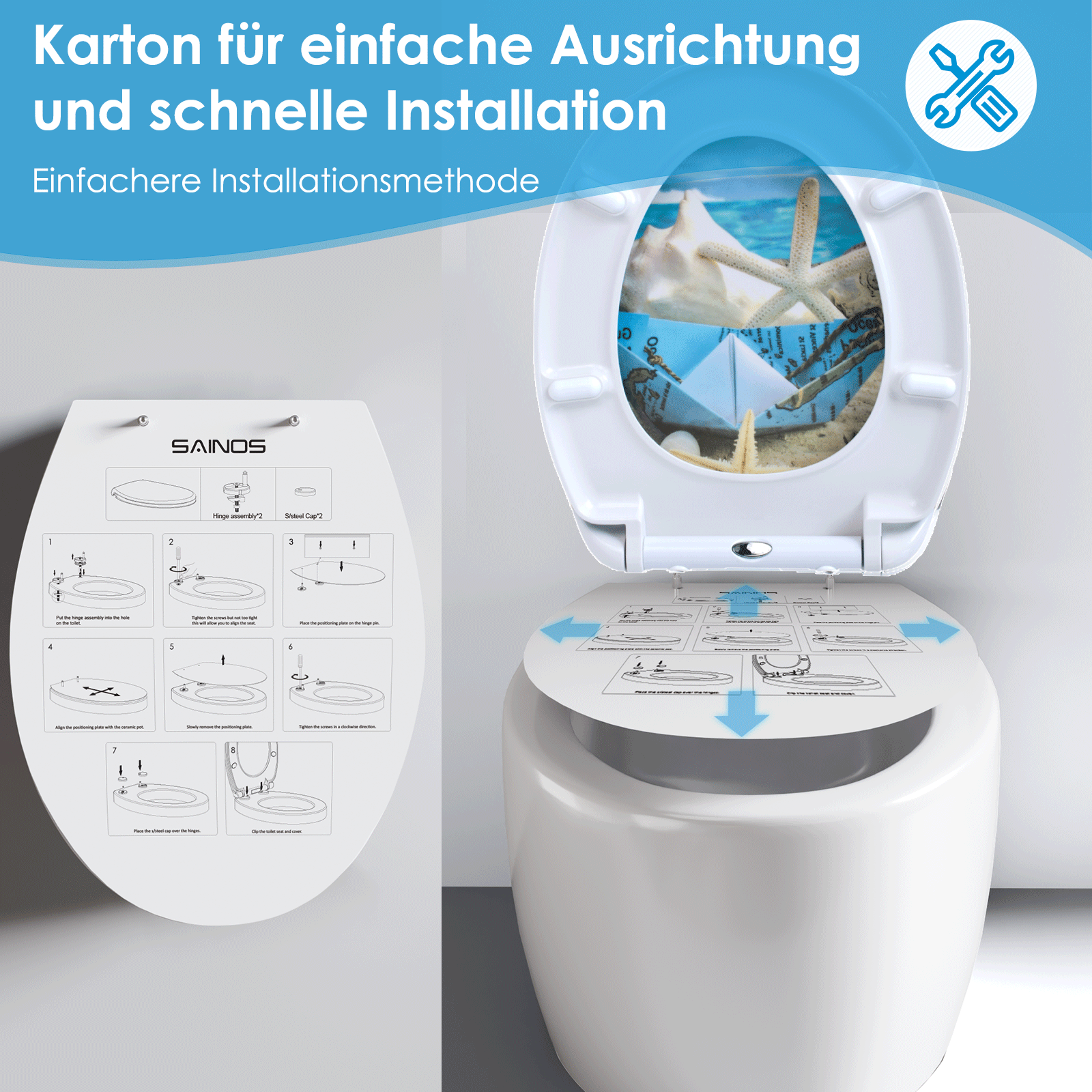
Choosing the Perfect Hotel Bathroom Toilet Seat
Discover essential factors for selecting durable, stylish, and hygienic toilet seats for your hotel or hospitality project. Learn about materials, features, and supplier considerations for a superior guest experience.