Introduction: Understanding When to Replace Your Toilet Seat
The humble toilet seat is an often overlooked but essential component of bathroom hygiene and comfort. Whether you manage a hospitality business, operate a retail outlet, or oversee facility maintenance, knowing when to change toilet seat is crucial to maintaining customer satisfaction and hygiene standards. With over 15 years of manufacturing expertise, Jell Group offers valuable insights into the toilet seat lifespan and guidelines on how often to replace toilet seat for optimal performance and durability.
In this comprehensive article, we will explore the factors influencing toilet seat replacement, material-specific lifespans, signs of wear and tear, and practical maintenance tips. Let’s dive into the world of toilet seats and discover the best practices for timely replacement.
How Long Does a Toilet Seat Last? Understanding Toilet Seat Lifespan
The toilet seat lifespan depends heavily on the material, usage frequency, and maintenance practices. Generally, toilet seats can last anywhere from 2 to 10 years or even longer under ideal conditions. However, different materials exhibit varying durability and wear resistance.
Here is a breakdown of typical lifespans for common toilet seat materials manufactured by industry leaders like Jell Group:
| Material | Typical Lifespan | Key Characteristics | Usage Environment |
|---|---|---|---|
| MDF Toilet Seats | 5-7 years | Sturdy, warm to touch, prone to moisture damage if not sealed properly | Residential, moderate use |
| Duroplast Toilet Seats | 7-10 years | Scratch-resistant, durable, easy to clean, ideal for high-traffic | Commercial, public restrooms |
| PP Toilet Seats | 3-5 years | Lightweight, economical, less durable | Temporary or budget installations |
| Urea Toilet Seats | 6-8 years | Hard, chemical resistant, hygienic surface | Healthcare, hospitality sectors |
| Smart Bidet Seats | 5-8 years | Integrated electronics, requires careful maintenance | Residential, premium installations |
Understanding these lifespans helps facility managers and distributors decide when to replace toilet seat to prevent hygiene issues and maintain user comfort. Next, we will explore the key indicators that signal it’s time for a replacement.
Signs It’s Time to Replace Your Toilet Seat
Knowing when to change toilet seat is not solely about the number of years in use. Several practical signs indicate that replacement is necessary to ensure hygiene and functionality:
- Visible Cracks or Breaks: Cracks can harbor bacteria and compromise structural integrity.
- Loose or Wobbly Fit: A seat that doesn’t stay securely in place is uncomfortable and unsafe.
- Discoloration and Stains: Persistent stains or yellowing that cannot be cleaned signal material degradation.
- Unpleasant Odor: Porous or damaged seats may retain odors despite cleaning.
- Outdated or Inefficient Design: Older seats may lack ergonomic features or compatibility with modern toilets.
- Malfunctioning Smart Components: In smart bidet seats, failure of electronic functions necessitates replacement.
Regular inspection and prompt replacement upon noticing these signs can prevent hygiene risks and improve user satisfaction. Let’s now examine how usage and environment affect the toilet seat lifespan.
Factors Influencing Toilet Seat Lifespan and Replacement Frequency
Several external and internal factors influence when to replace toilet seat. Recognizing these helps in proactive maintenance and budgeting:

- Frequency of Use: Public or commercial restrooms experience higher wear and tear compared to residential bathrooms.
- Cleaning Practices: Harsh chemicals can degrade some materials, whereas gentle cleaning extends lifespan.
- Humidity and Moisture: Excess moisture accelerates damage in materials like MDF and some plastics.
- Quality of Material: Premium materials like Duroplast and Urea have longer lifespans and better resistance.
- Installation Quality: Proper fitting reduces the risk of loosening and damage.
- Technological Features: Smart bidet seats require regular software updates and maintenance to remain functional.
By selecting the right material and adapting cleaning and maintenance routines, businesses can extend the toilet seat lifespan and optimize replacement schedules. Next, we will provide practical tips on maintaining your toilet seats for longevity.
Maintenance Tips to Extend Toilet Seat Lifespan
Proper maintenance is key to maximizing the toilet seat lifespan. Here are expert tips from Jell Group’s seasoned manufacturing team:
- Use Mild Cleaning Agents: Avoid abrasive cleaners and bleach; opt for pH-neutral detergents.
- Regularly Tighten Fittings: Check hinges and screws monthly to prevent loosening.
- Dry Seats After Use: Especially in humid climates, wiping dry prevents moisture damage.
- Inspect for Damage: Conduct routine inspections to catch early signs of wear or cracks.
- Replace Damaged Parts Promptly: Sometimes replacing hinges or bumpers can extend seat usability.
- Follow Manufacturer Guidelines: For smart bidet seats, adhere to maintenance schedules and software updates.
Implementing these tips helps reduce the frequency needed to replace toilet seat and ensures a hygienic bathroom environment. Now, let’s compare different toilet seat materials to aid your purchasing decisions.
Material Comparison: Choosing the Right Toilet Seat for Your Needs
Choosing the right toilet seat material plays a pivotal role in determining replacement intervals and user satisfaction. Below is a detailed comparison table showcasing key features relevant to B2B buyers and industry professionals:
| Material | Durability | Hygiene | Maintenance | Cost | Ideal Use Case |
|---|---|---|---|---|---|
| MDF | Moderate | Moderate | Requires sealing and gentle cleaning | Medium | Residential, moderate traffic |
| Duroplast | High | Excellent (scratch-resistant) | Easy to clean | Medium-High | Commercial, public restrooms |
| PP | Low | Good | Easy but less durable | Low | Budget or temporary |
| Urea | High | Excellent (chemical resistant) | Easy to maintain | Medium-High | Healthcare, hospitality |
| Smart Bidet | Moderate | High (advanced hygiene features) | Requires electronic maintenance | High | Premium residential and commercial |
For detailed product options, explore Jell Group’s specialized collections of MDF toilet seats, Duroplast toilet seats, PP toilet seats, and Urea toilet seats.
Choosing the right material aligned with your operational needs ensures timely replacement cycles and cost efficiency. Finally, let’s summarize the key takeaways and next steps.
Conclusion: Timing Your Toilet Seat Replacement for Optimal Results
Knowing when to change toilet seat is essential for maintaining hygiene, safety, and user comfort in any facility. The toilet seat lifespan varies widely depending on material, usage, and care, with high-quality options from trusted manufacturers like Jell Group offering durability and performance tailored to diverse market demands.
Regular inspection, adherence to maintenance best practices, and timely replacement based on clear signs of wear will help you avoid costly repairs and reputational risks. For B2B buyers seeking reliable, high-quality toilet seats with customization options, Jell Group stands as a leading supplier with over 15 years of expertise in exporting to Europe, USA, Middle East, Africa, and South America.
Contact Jell Group today for wholesale pricing and OEM/ODM services. Email: [email protected] | WhatsApp: +8613476112113
Explore our product range and learn more by visiting our Contact Us page.
blog.relatedArticles
Heated Toilet Seat Wholesale: Features, Pricing & Supplier Selection
Explore the essential features, pricing dynamics, and critical factors for selecting a reliable heated toilet seat wholesale supplier. Learn how to source high-quality, smart bidet toilet seats for your B2B needs.
Sourcing Premium Bathroom Fixtures in Jeddah: Toilet Seats & More
Discover how to source premium bathroom fixtures in Jeddah, including high-quality toilet seats, from reliable international manufacturers. This guide helps B2B buyers navigate the market for durable and stylish solutions.
Elevating Hospitality: Luxury Toilet Seats for Qatar's Elite Hotels
Discover how Jell Group provides premium, durable, and aesthetically superior luxury toilet seats for Qatar's world-class hotels and resorts, enhancing guest experience and meeting high-end design standards. Explore our OEM/ODM capabilities for bespoke solutions.
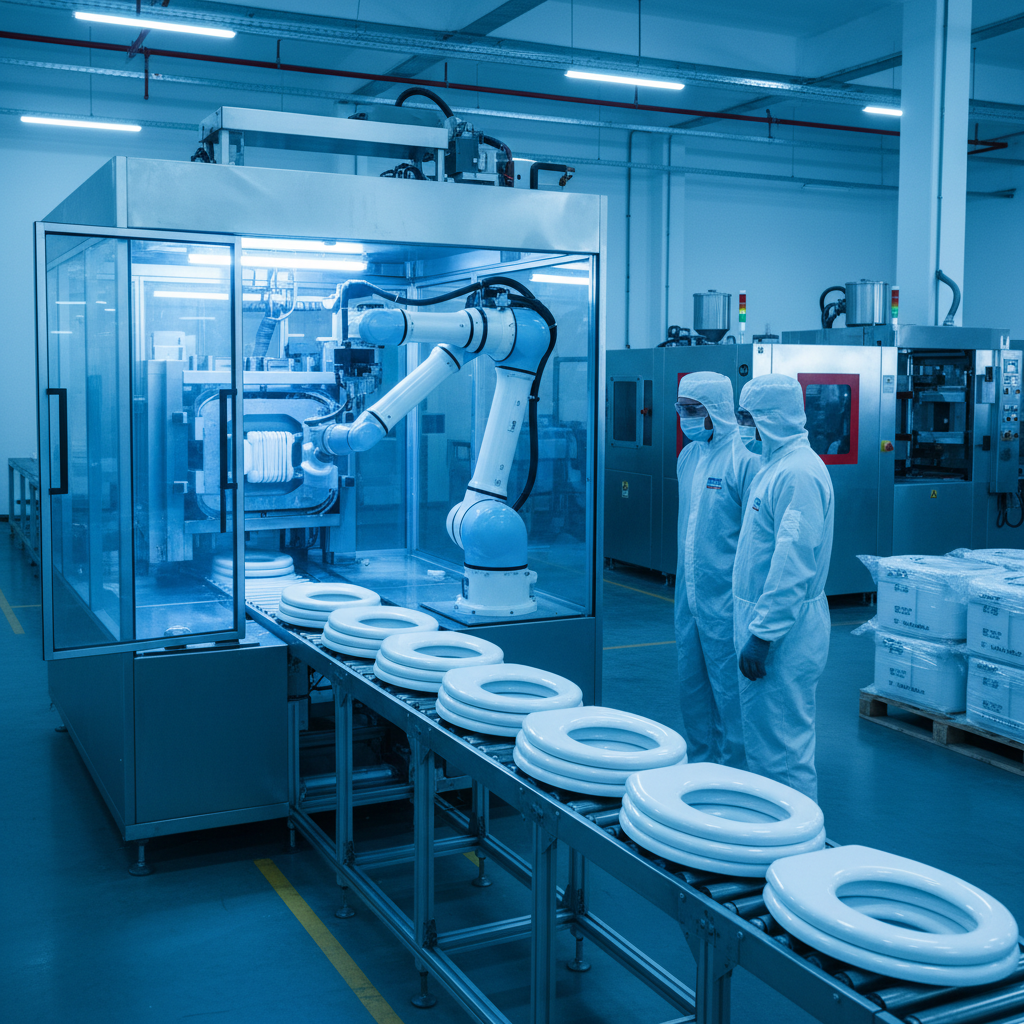
PP Polypropylene Toilet Seats: Wholesale Solutions for Middle East Markets
Discover why PP polypropylene toilet seats are the ideal, affordable wholesale solution for distributors and retailers targeting the Middle East market. Learn about their durability, hygiene benefits, and cost-effectiveness, and how Jell Group provides high-quality options.
Industry Case Studies
Pierre D. — Maison & Confort SARL
The French market demands elegant design and premium presentation. Finding a manufacturer who could produce artistic printed MDF toilet seats with French-language packaging and competitive pricing for marketplace selling.
Sarah L. — Nordic Bath Co.
Starting a bathroom accessories brand from scratch with no manufacturing experience. Needed a supplier who could handle everything from design consultation to product photography, while maintaining the minimalist Scandinavian aesthetic.
Dmitry K. — SantehTorg LLC
Russia's e-commerce market requires Cyrillic packaging, GOST certification, and reliable logistics despite geopolitical complexities. Finding a manufacturer with consistent supply chain capabilities was critical.