The Complete Guide to Choosing MDF Toilet Seats for B2B Buyers
Selecting the right toilet seat is a crucial decision for any B2B buyer, whether you're a distributor, a retailer, or a property developer. Among the various materials available, Medium-Density Fiberboard (MDF) toilet seats have carved a significant niche due to their unique blend of aesthetics, affordability, and functionality. This comprehensive MDF toilet seat buying guide will delve deep into what makes MDF seats a compelling choice, how to evaluate their quality, and why partnering with a reputable manufacturer like Jell Group is essential for success. We'll explore the advantages, potential drawbacks, customization options, and the critical factors to consider when sourcing these popular bathroom fixtures, catering specifically to the needs of European, Middle Eastern, and American markets. Understanding these nuances will empower you to make informed purchasing decisions, ensuring customer satisfaction and a profitable venture. This guide is designed to be your go-to resource, answering the fundamental question: how to choose toilet seat components that offer the best value and performance.
What is an MDF Toilet Seat and Why Choose It?
MDF toilet seats are manufactured from wood fibers, typically sourced from pine or other softwood species, which are then compressed under high pressure and heat using resin binders. This process results in a dense, stable, and uniform board. The resulting MDF is then precisely cut, shaped, and often finished with a decorative overlay or a durable coating to create a toilet seat.
The popularity of MDF toilet seats in the B2B market stems from several key advantages:
- Aesthetics and Versatility: MDF can be easily shaped and finished, allowing for a wide range of designs, colors, and decorative overlays. This makes it ideal for matching various bathroom decors, from classic to contemporary. Whether you need a simple white seat or a sophisticated wood-grain effect, MDF offers excellent design flexibility.
- Affordability: Compared to solid wood or even some high-end plastic alternatives, MDF toilet seats generally offer a more budget-friendly option without significantly compromising on quality or appearance. This makes them an attractive choice for large-scale projects and for retailers looking to offer competitively priced products.
- Smooth Surface and Hygiene: The smooth, non-porous surface of a well-finished MDF toilet seat is easy to clean and maintain, contributing to a more hygienic bathroom environment. This is a critical factor for end-users and a selling point for B2B buyers.
- Comfort: The density of MDF provides a comfortable and solid feel, which is often preferred over lighter plastic seats by some consumers.
- Eco-Considerations (with responsible sourcing): When sourced from sustainably managed forests and produced with eco-friendly binders, MDF can be a responsible choice. Manufacturers like Jell Group prioritize certifications such as FSC (Forest Stewardship Council) to ensure sustainable sourcing.
Understanding the Construction and Quality of MDF Toilet Seats
The quality of an MDF toilet seat can vary significantly based on the manufacturing process, the density of the board, and the finishing techniques employed. As a B2B buyer, it’s crucial to understand these aspects to ensure you are procuring a durable and reliable product.
Material Density and Composition
A higher density MDF board generally translates to a stronger, more durable toilet seat that is less prone to cracking or breaking. Reputable manufacturers will specify the density of the MDF used. For toilet seats, a density ranging from 680 kg/m³ to 850 kg/m³ is typically considered good.
Finishing and Coating
The finish is paramount for MDF toilet seats. A high-quality finish protects the MDF from moisture, which is essential in a bathroom environment. Common finishes include:
- Lacquer/Paint: Multiple layers of high-gloss or matte lacquer provide a smooth, durable, and water-resistant surface. The application process should be meticulous, ensuring no drips, runs, or unevenness.
- Decorative Overlay: Printed designs or wood-grain effects are often applied and then sealed with a protective clear coat. The quality of the print and the clarity of the seal are indicators of good craftsmanship.
- Thermoforming: Some higher-end MDF seats utilize a thermoforming process where a plastic film is applied and heated to mold perfectly to the MDF core, creating a seamless and highly durable finish.
Look for finishes that are resistant to scratching, fading, and yellowing from UV exposure. The edges and underside of the seat should also be well-finished to prevent moisture ingress and chipping.
Hinge Quality and Durability
The hinges are a critical component that significantly impacts the longevity and user experience of a toilet seat. For MDF seats, consider:
- Material: Stainless steel or high-quality zinc alloy hinges offer superior corrosion resistance and durability compared to plastic or lower-grade metals.
- Type: Standard hinges are common, but soft-close mechanisms are highly desirable for their quiet operation and added convenience, preventing slamming.
- Installation: Easy installation and secure attachment to the toilet bowl are important. Look for designs that allow for quick-release for cleaning.
Manufacturers like Jell Group pay close attention to hinge quality, often offering options with advanced features and robust materials to complement their MDF toilet seats.
Design and Customization Options for B2B Buyers
One of the significant advantages of sourcing MDF toilet seats is the extensive range of design and customization options available. This allows B2B buyers to cater to specific market demands or brand requirements.
Shapes and Sizes
MDF can be molded into various shapes to fit different toilet bowl designs. The most common are:
- Standard D-Shape: The most prevalent design, fitting most modern toilets.
- Round: Typically found on older or smaller toilet models.
- Elongated: Longer than standard D-shape seats, offering more comfort.
It’s crucial to confirm the dimensions and compatibility with standard toilet bowl sizes in your target markets (e.g., European vs. American standards). Jell Group offers a wide array of standard and customizable dimensions to meet diverse needs.
Colors and Finishes
MDF toilet seats can be produced in virtually any color. This includes:
- Solid Colors: White, black, grey, and other popular neutral tones.
- Vibrant Colors: For modern or themed bathrooms.
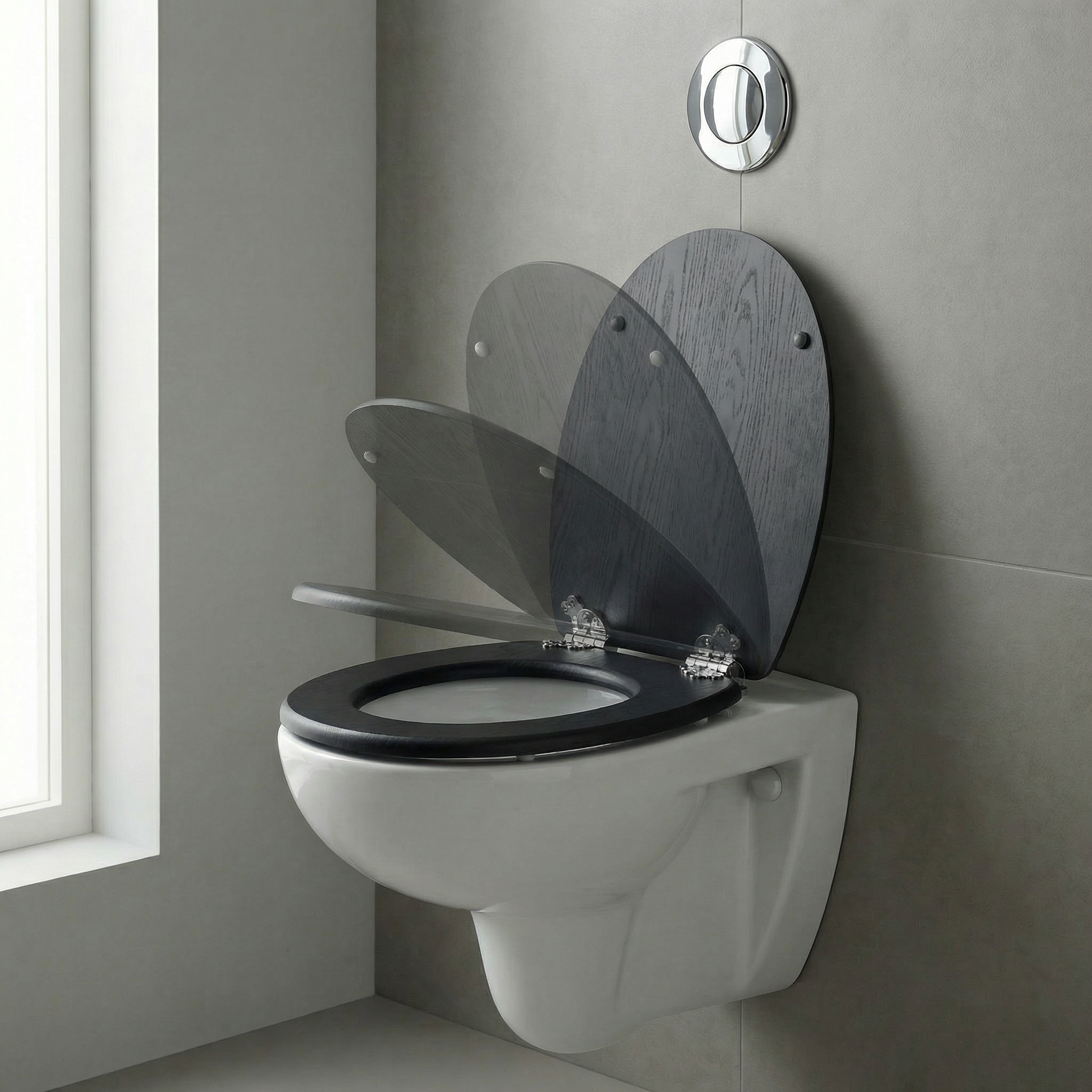
- Wood Grain Effects: Realistic finishes mimicking oak, walnut, or other wood types.
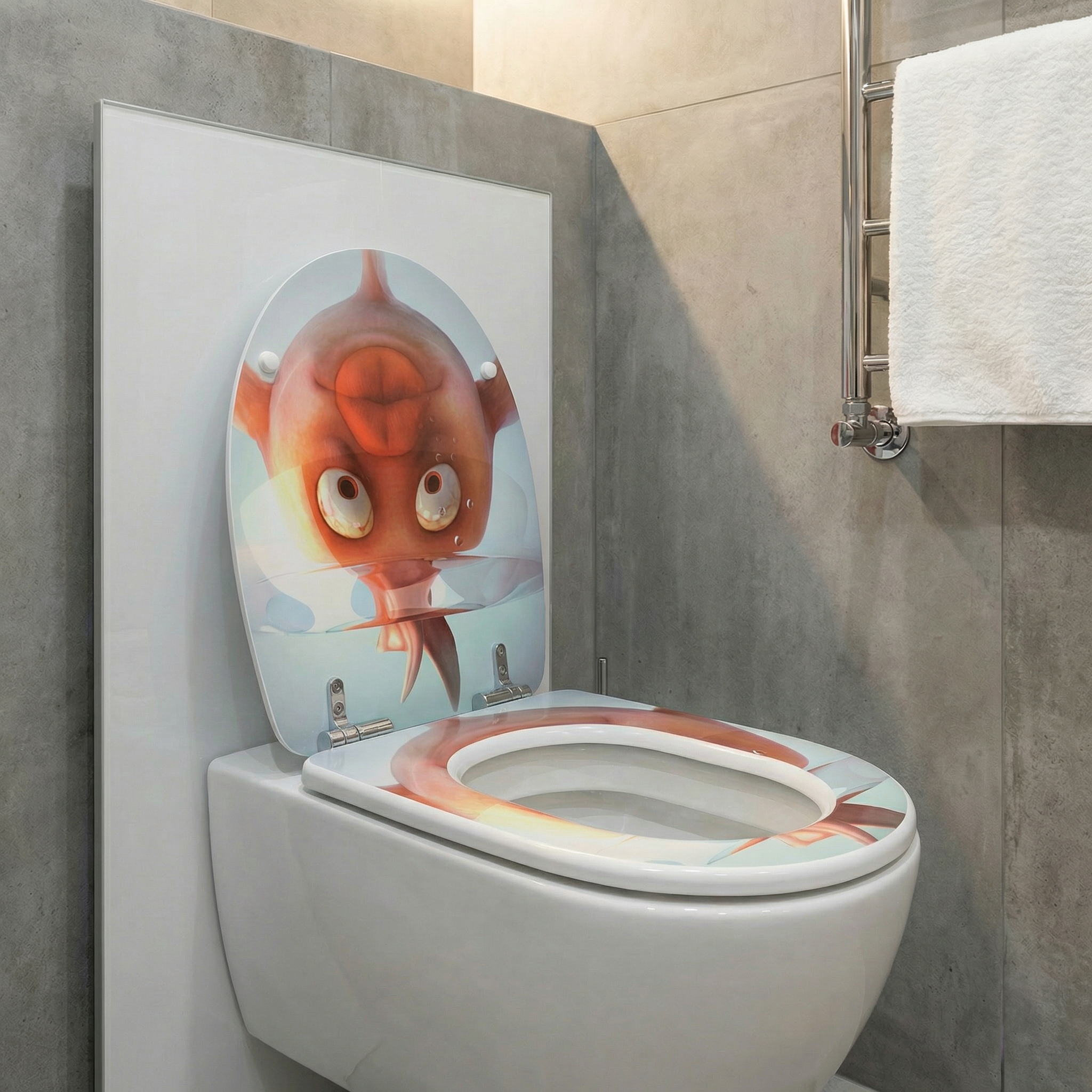
- Decorative Prints: Floral patterns, abstract designs, novelty prints, or even custom branding.
The quality of the printing and the durability of the protective coating are key differentiators.
Customization for Branding and Specific Projects
For B2B buyers, customization is often a key requirement. This can include:
- OEM (Original Equipment Manufacturer) Services: Manufacturing seats to your exact specifications, designs, and branding.
- ODM (Original Design Manufacturer) Services: Offering a range of existing designs that can be adapted with your branding or minor modifications.
- Custom Color Matching: Producing seats in specific brand colors.
- Logo Embossing/Printing: Incorporating company logos onto the seat or packaging.
Jell Group excels in providing both OEM and ODM services, working closely with B2B partners to deliver tailored solutions. Our expertise ensures that your custom requirements are met with precision and efficiency.
Sourcing and Manufacturing Considerations: Partnering with Jell Group
When sourcing MDF toilet seats in bulk, choosing the right manufacturing partner is paramount. Factors like production capacity, quality control, compliance with international standards, and logistics are critical.
Quality Control and Certifications
A reputable manufacturer will have stringent quality control measures in place throughout the production process, from raw material inspection to final product testing. Look for manufacturers with:
- ISO Certifications: Indicating adherence to international quality management standards.
- Product-Specific Certifications: Such as TUV, CE (for European markets), CARB (California Air Resources Board) for formaldehyde emissions, and BSCI (Business Social Compliance Initiative) for ethical manufacturing practices.
- FSC Certification: For wood-based products, this guarantees responsible forest management.
Jell Group is proud to hold multiple certifications, including FSC, BSCI, TUV, CARB, and CE. These demonstrate our commitment to quality, sustainability, ethical labor practices, and product safety, providing peace of mind for our B2B clients.
Production Capacity and Lead Times
Ensure the manufacturer can meet your volume requirements and deliver within your project timelines. Large-scale production facilities and efficient manufacturing processes are essential. Jell Group, established in 2009, has grown into a leading manufacturer with substantial production capacity, enabling us to handle large orders efficiently.
Logistics and Warehousing
For B2B buyers, particularly in Europe, efficient logistics and warehousing can significantly reduce costs and delivery times. Jell Group offers a distinct advantage with its strategically located warehouses in Germany and Poland. This ensures faster delivery to European customers, reduced shipping costs, and streamlined customs processes.
Understanding Formaldehyde Emissions (CARB Compliance)
MDF is made from wood fibers and resins, which can sometimes contain formaldehyde. Regulations, particularly in North America (CARB) and Europe, limit formaldehyde emissions from composite wood products. Ensuring your MDF toilet seats are CARB-compliant is crucial for market access and consumer safety. Jell Group's commitment to using low-emission resins and adhering to strict testing protocols ensures our products meet these stringent standards.
Comparing MDF with Other Toilet Seat Materials
While MDF offers a compelling balance of features, it’s useful to understand how it compares to other common toilet seat materials:
| Material | Pros | Cons | Typical B2B Application |
|---|---|---|---|
| MDF | Affordable, versatile design, smooth finish, comfortable feel, good weight. | Can be susceptible to water damage if not properly sealed, heavier than plastic. | Residential, budget-friendly commercial, hospitality. |
| Plastic (PP/Polypropylene) | Lightweight, inexpensive, water-resistant, easy to clean. | Can feel less sturdy, prone to scratching, limited design complexity, can yellow over time. | High-traffic public restrooms, budget projects, basic replacements. |
| Urea-Formaldehyde (UF) | Durable, scratch-resistant, very hygienic, good heat resistance, premium feel. | More expensive than MDF or PP, can be brittle if dropped, limited design flexibility compared to MDF. | Mid-to-high-end residential, premium commercial, healthcare. |
| Solid Wood | Natural aesthetic, durable, unique grain patterns. | Expensive, requires specific maintenance, can be heavy, susceptible to warping with moisture if not treated. | Luxury homes, boutique hotels, specific design aesthetics. |
| Resin/Acrylic | Highly decorative, durable, often transparent or with embedded designs. | Can be expensive, can be heavy, potential for cracking under extreme stress. | Design-focused projects, premium residential. |
For B2B buyers seeking a balance of cost-effectiveness, aesthetic appeal, and decent durability, MDF toilet seats are often the sweet spot. Jell Group offers a comprehensive product range that includes high-quality MDF seats, as well as PP and UF options, allowing you to choose the best material for your specific needs.
Maintaining and Caring for MDF Toilet Seats
Proper care ensures the longevity and appearance of MDF toilet seats. Advise your customers (or ensure your own maintenance teams) follow these guidelines:
- Regular Cleaning: Use a soft, damp cloth with mild soap. Avoid abrasive cleaners, scouring pads, or harsh chemicals like bleach or ammonia, as these can damage the finish and the MDF core.
- Wipe Spills Promptly: Immediately wipe up any spills, especially water or cleaning solutions, to prevent prolonged exposure to moisture.
- Avoid Excessive Moisture: Ensure the bathroom is well-ventilated to reduce humidity.
- Check Hinges: Periodically check that the hinges are clean and functioning smoothly. Some hinges may require occasional tightening.
A well-maintained MDF toilet seat can provide years of reliable service, making it a cost-effective and satisfactory choice for end-users.
Navigating the Market: Key Takeaways for B2B Buyers
Choosing MDF toilet seats involves understanding the material's properties, evaluating manufacturing quality, and selecting a reliable supplier. As a B2B buyer, consider these key points:
- Prioritize Quality: Don't compromise on the density of the MDF and the quality of the finish and hinges.
- Seek Certifications: Ensure your manufacturer adheres to international standards (TUV, CE, CARB, FSC, BSCI).
- Evaluate Customization: Look for partners offering robust OEM/ODM services to meet specific project needs.
- Logistics Matter: Consider warehousing and shipping efficiency, especially for international markets. Jell Group's EU warehouses are a significant advantage for European buyers.
- Understand Your Market: Match the features, design, and price point of MDF seats to the expectations of your target customers.
By following this MDF toilet seat buying guide, you are well-equipped to make informed decisions. The French phrase 'guide achat abattant WC' (toilet seat purchase guide) encapsulates the essence of this process – a methodical approach to acquiring the best product.
Conclusion
MDF toilet seats offer a compelling combination of style, affordability, and functionality, making them a popular choice for a wide range of B2B applications. Their versatility in design and finish allows for customization to meet diverse aesthetic and branding requirements. However, the key to success lies in selecting high-quality products manufactured by a reliable partner. Jell Group, with over a decade of experience, a commitment to quality, extensive certifications, and strategic EU warehousing, stands as your trusted manufacturing partner. We understand the intricacies of producing durable, aesthetically pleasing, and compliant MDF toilet seats. Whether you require standard models or bespoke solutions, our OEM/ODM capabilities are designed to support your business objectives. Explore our extensive product range and discover how Jell Group can be your strategic ally in the competitive toilet seat market. To discuss your specific needs and learn more about our offerings, please contact us today.
Frequently Asked Questions about MDF Toilet Seats
Are MDF toilet seats durable?
Yes, MDF toilet seats can be very durable when manufactured with high-density MDF and finished with a high-quality, water-resistant coating. The durability also depends on the quality of the hinges and proper installation. Jell Group ensures robust construction and finishing to maximize longevity.
Are MDF toilet seats waterproof?
While the MDF material itself is not waterproof, a well-sealed and finished MDF toilet seat is highly resistant to moisture and water splashes commonly encountered in bathrooms. Prompt cleaning of spills and good bathroom ventilation are crucial to prevent water damage over time.
How do MDF toilet seats compare to plastic (PP) seats?
MDF seats generally offer a more solid feel, a smoother finish, and greater design versatility (colors, prints) compared to standard PP seats. PP seats are lighter and inherently more water-resistant, making them ideal for very high-moisture or high-traffic public areas. MDF seats often provide a more premium aesthetic at a comparable or lower price point than some higher-end PP or UF seats.
Is it safe to buy MDF toilet seats regarding formaldehyde emissions?
It is safe to buy MDF toilet seats if they comply with relevant regulations, such as CARB standards in North America or European E1/E0 emission classes. Reputable manufacturers like Jell Group use low-formaldehyde emission resins and undergo rigorous testing to ensure their products meet these safety standards. Always look for manufacturers who can provide compliance documentation.
blog.relatedArticles

MDF Toilet Seats: The Ultimate B2B Buying Guide
Discover the advantages of MDF toilet seats for your business. This comprehensive guide covers material benefits, durability, aesthetics, and key considerations for B2B buyers seeking quality and value from a trusted manufacturer like Jell Group.

MDF Toilet Seats: Your Ultimate B2B Buying Guide
Discover the benefits of MDF toilet seats and how Jell Group, a leading Chinese manufacturer, can be your trusted partner. Learn about quality, customization, and certifications for your business.
Launch Your Private Label Toilet Seat Brand with Jell Group
Discover how to successfully launch your own private label toilet seat brand. Learn about market opportunities, product selection, manufacturing partnerships, branding, and distribution strategies. Jell Group offers expert OEM/ODM solutions for a seamless launch.
Toilet Seat Warranties: Your Guide to Quality Guarantees
Navigate toilet seat warranties with confidence. Understand common terms, what's covered, and how Jell Group's commitment to quality ensures lasting value for your business. Essential knowledge for B2B buyers seeking reliable bathroom fixtures.