Revolutionizing the Bathroom Experience: Understanding Advanced Toilet Seat Hinge Technology
In the competitive world of sanitaryware, the humble toilet seat often goes unnoticed, yet its underlying technology plays a crucial role in user comfort, hygiene, and product longevity. For B2B buyers – distributors, retailers, and importers across Europe, the Middle East, and the Americas – understanding the nuances of toilet seat hinge types is paramount. This comprehensive guide delves into the advanced features that define modern toilet seats, particularly focusing on the innovative soft-close mechanism and the practical quick-release function. These technologies are not just about convenience; they represent significant value propositions for your customers, enhancing their daily bathroom experience and offering tangible benefits in terms of durability and ease of maintenance.
The market demands more than just a functional toilet seat; it seeks innovation that solves common problems and adds value. From preventing slamming lids to simplifying cleaning routines, the right hinge technology can elevate a standard product into a premium offering. As a leading manufacturer since 2009, Jell Group understands these demands and continuously innovates to meet the evolving needs of the global market. Our expertise in MDF, UF, and PP toilet seats, coupled with our OEM/ODM capabilities, positions us to provide tailored solutions that integrate the latest hinge technologies.
The Evolution of Toilet Seat Hinges: Beyond Basic Functionality
Historically, toilet seat hinges were simple pivots, designed purely for opening and closing. While functional, they were prone to wear, noise, and potential damage from forceful closing. Modern advancements have transformed these basic components into sophisticated engineering marvels, addressing these issues head-on. Today's hinges are engineered for durability, silent operation, and user-friendly maintenance, making them a critical differentiator in the sanitaryware market.
For businesses looking to stock high-quality bathroom accessories, recognizing the technical superiority of certain hinge systems is key. This article will break down the mechanics, benefits, and practical considerations of the most sought-after hinge technologies, providing you with the insights needed to make informed purchasing decisions.
Deep Dive into the Soft-Close Mechanism: The Quiet Revolution
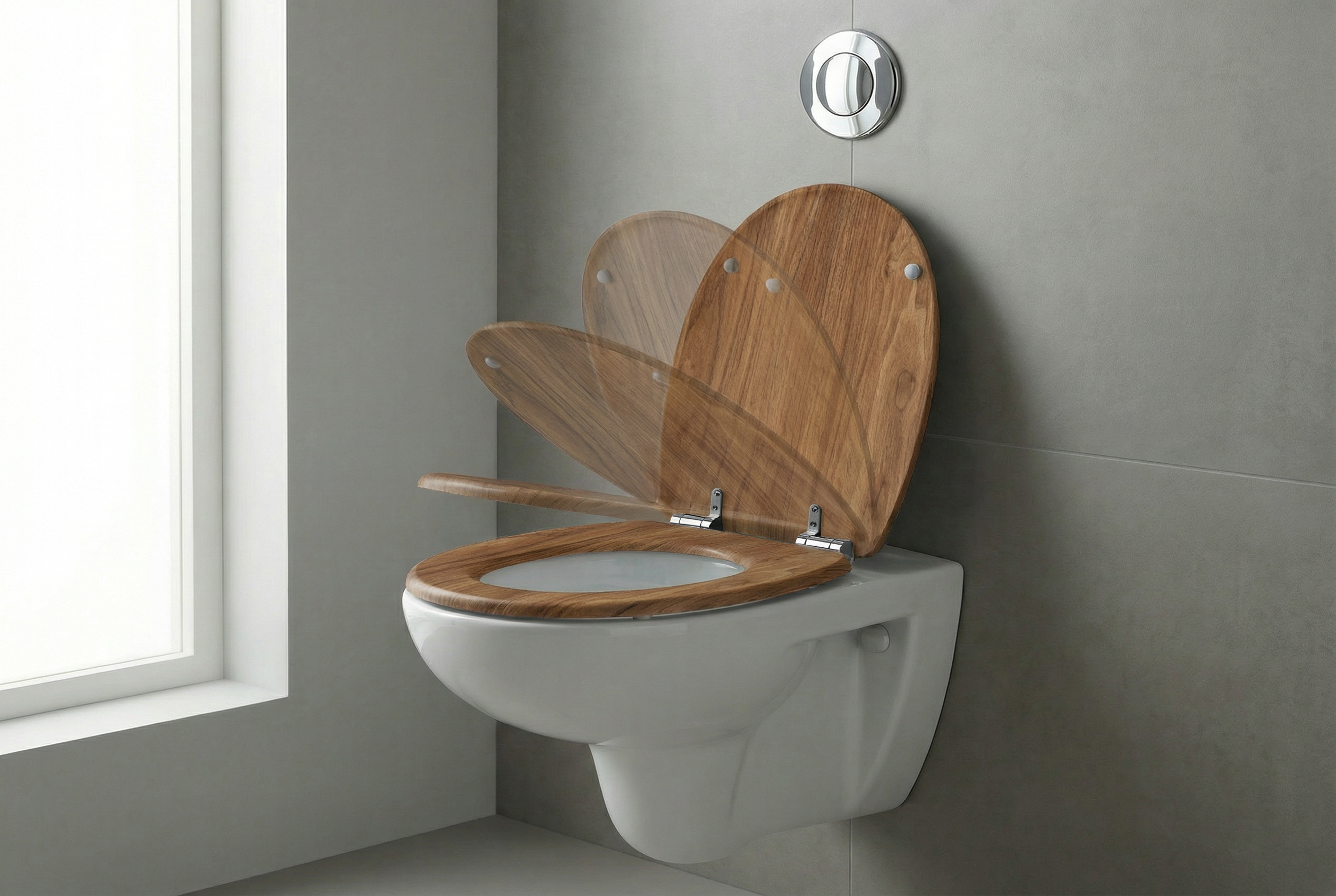
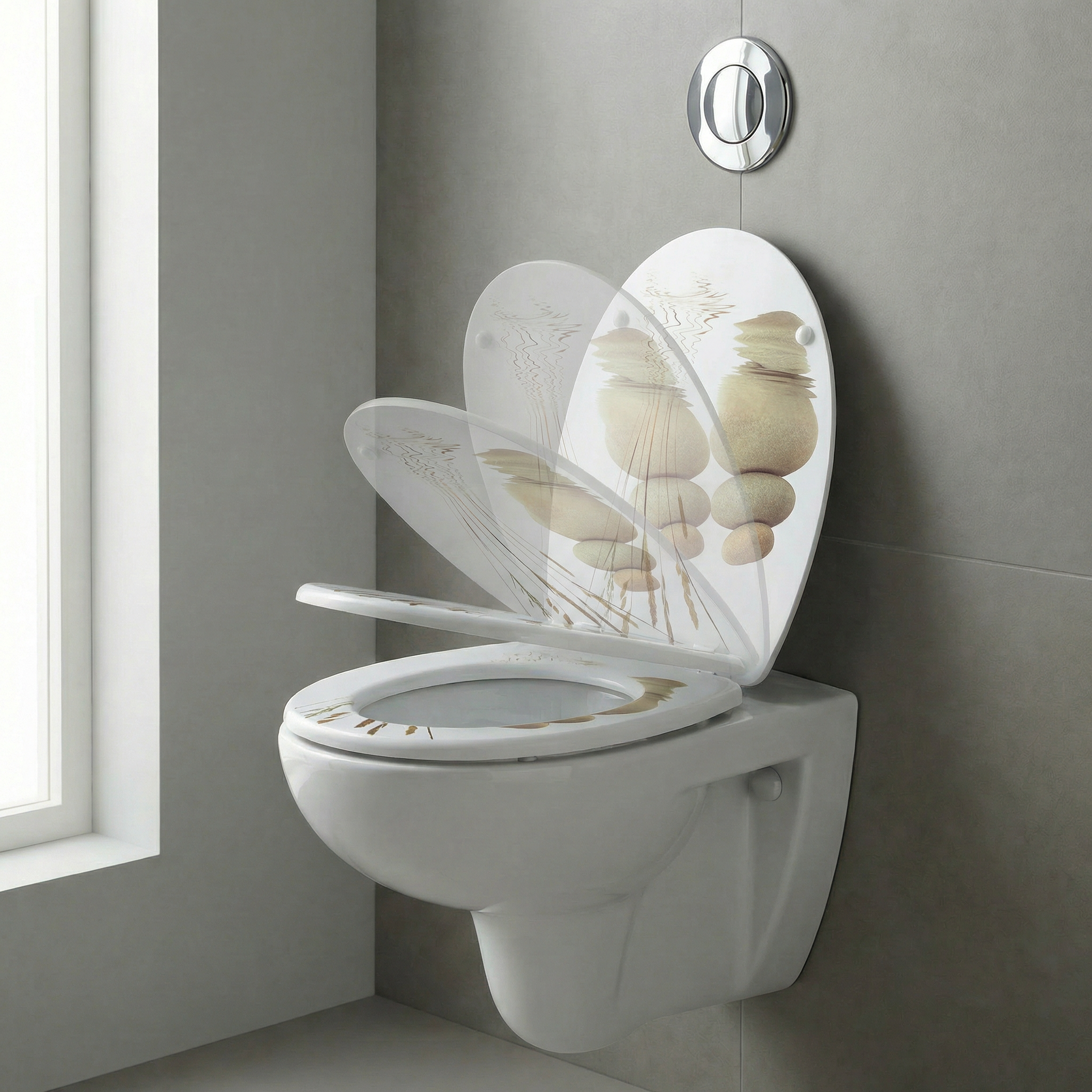
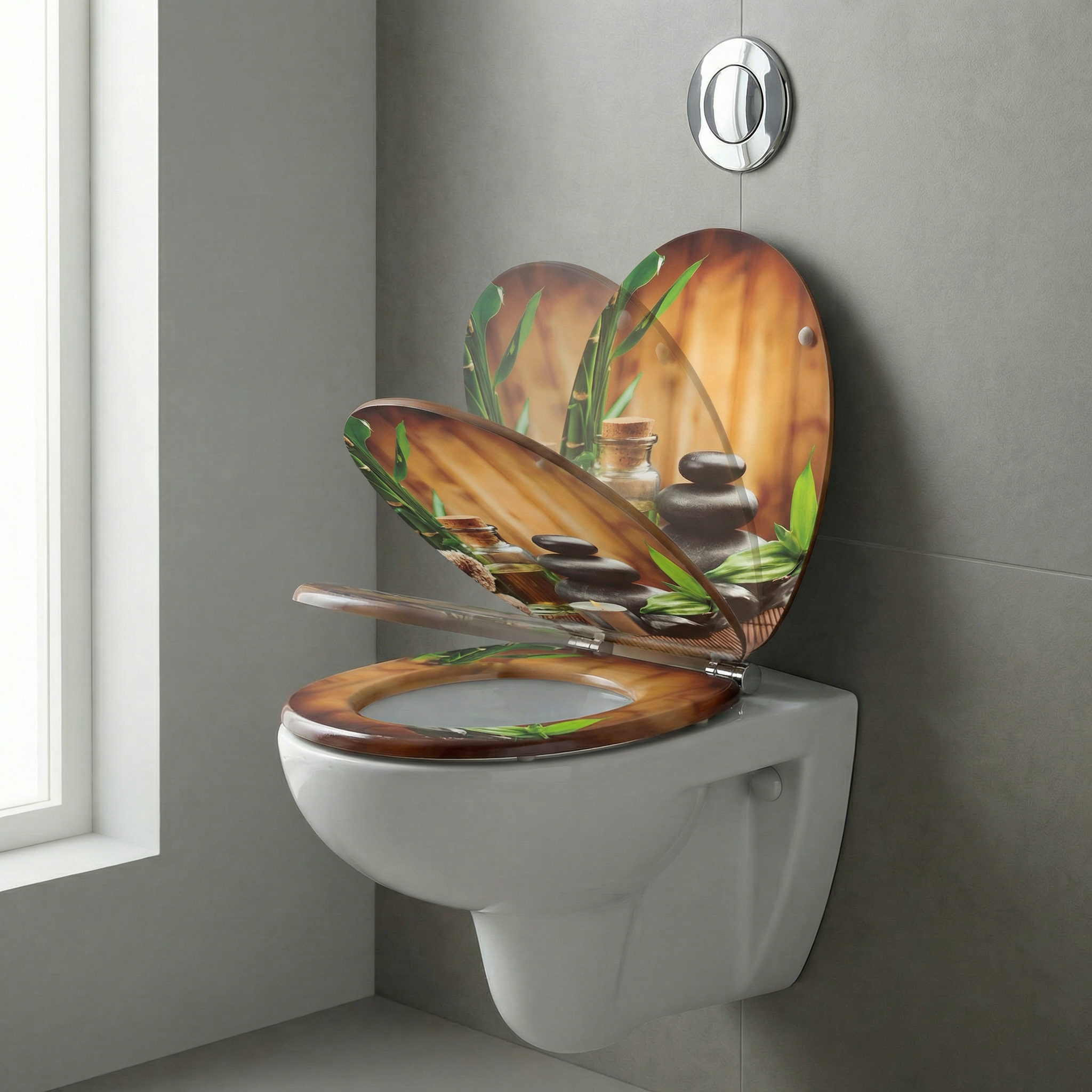
The soft-close mechanism, also known as a slow-close or silent-close feature, has become a standard expectation in many modern bathrooms. This innovative technology prevents the toilet seat and lid from slamming shut, offering a quiet, gentle descent. It's a feature that significantly enhances user comfort and safety, while also extending the product's lifespan.
How the Soft-Close Mechanism Works
At its core, a soft-close hinge incorporates a damping system, typically a hydraulic or friction-based damper, within the hinge assembly. When the seat or lid is lowered, this damper engages, creating resistance that slows down the closing motion. The rate of descent is carefully calibrated to ensure a smooth, controlled closure without any sudden drops or impacts. This engineering marvel often involves:
- Viscous Dampers: These use a fluid (often silicone-based oil) to create resistance as internal components move. The viscosity of the fluid dictates the speed of closure.
- Friction Dampers: These rely on friction between moving parts, often involving specialized plastics or elastomers, to slow down the motion.
- Spring-Loaded Systems: While less common for pure soft-close, some systems combine springs with dampers to provide a balanced opening and closing action.
The precision engineering ensures consistent performance over thousands of cycles. For instance, a well-designed soft-close hinge can withstand upwards of 100,000 open-close cycles without significant degradation in performance, a testament to its robust construction.
Benefits for B2B Buyers and End-Users
The advantages of integrating soft-close toilet seats into your product line are multifaceted:
- Noise Reduction: Eliminates the jarring sound of a slamming toilet seat, contributing to a more peaceful bathroom environment. This is particularly appealing for households with children or those seeking a premium, spa-like experience.
- Enhanced Safety: Prevents accidental finger trapping, making it safer for children and elderly users. The controlled descent reduces the risk of injury.
- Increased Durability: By preventing impact, the soft-close mechanism reduces wear and tear on the seat, lid, and even the ceramic pan. This translates to a longer product life and fewer warranty claims.
- Perceived Value: A soft-close feature is often associated with higher quality and luxury, allowing retailers to position products at a more premium price point.
- Hygiene: Users are less likely to touch the seat as it closes, promoting better hygiene.
- WC-Sitz Scharniertypen Absenkautomatik: In German-speaking markets, the term Absenkautomatik is widely recognized and highly sought after, directly translating to 'automatic lowering mechanism', emphasizing the demand for this feature.
When sourcing, look for manufacturers like Jell Group who offer soft-close mechanisms tested to international standards, ensuring reliability and consistent performance. Our commitment to quality standards, including ISO 9001 and TÜV certifications, means you can trust the durability of our hinge systems.
The Practicality of Quick-Release Hinges: Simplifying Maintenance
While the soft-close mechanism focuses on user experience during operation, quick-release hinges address a critical aspect of toilet seat ownership: cleaning and maintenance. This feature allows for the easy removal of the toilet seat from the ceramic pan, making thorough cleaning of hard-to-reach areas simple and efficient.
How Quick-Release Hinges Work
Quick-release hinges typically employ a clever locking mechanism that can be disengaged with a simple push of a button, a lift, or a twist. The most common designs include:
- Push-Button Release: A button on the hinge base, when pressed, releases the seat from its mounting posts.
- Lift-and-Pull Release: The seat can be lifted vertically off the posts once it's in a certain open position, or by pulling a small lever.
- Twist-and-Lock: Some designs involve twisting a component to unlock the seat from its anchors.
Regardless of the specific mechanism, the goal is the same: to allow the user to detach the entire seat assembly in seconds, without the need for tools. This ease of removal is crucial for maintaining optimal hygiene around the hinge area, which is often a breeding ground for bacteria and grime.
Benefits for B2B Buyers and End-Users
The advantages of quick-release hinges are equally compelling:
- Superior Hygiene: Facilitates thorough cleaning of the entire toilet bowl and seat, including the often-neglected areas around the hinges. This is a significant selling point for health-conscious consumers and commercial establishments.
- Ease of Maintenance: Simplifies the cleaning process, saving time and effort for the end-user. This reduces the need for harsh chemicals and prolonged scrubbing.
- Reduced Odor Buildup: By allowing for better cleaning, quick-release seats help prevent the accumulation of odor-causing bacteria.
- Damage Prevention: When cleaning, there's no need to strain or force brushes into tight spaces, reducing the risk of accidental damage to the seat or ceramic.
- Replacement Simplicity: Should a seat need replacing, a quick-release system makes the process incredibly straightforward, often requiring no tools.
Combining quick-release with a soft-close mechanism creates a highly desirable product that offers both convenience and superior hygiene. This dual functionality is a powerful selling point for B2B partners, enabling them to offer premium solutions to their customer base.
Material Matters: How Hinge Materials Impact Performance
The material used for the hinges themselves is as critical as the mechanism. Common materials include:
- Stainless Steel: Offers excellent durability, corrosion resistance, and a premium aesthetic. Ideal for high-traffic environments or areas with high humidity. Many of Jell Group's premium hinges utilize high-grade stainless steel.
- Chrome-Plated Brass or Zinc Alloy: Provides a polished look and good corrosion resistance, often used in mid-range to premium seats.
- High-Grade Plastics (e.g., Nylon, ABS): Economical, lightweight, and resistant to certain chemicals. Often used in conjunction with metal components for specific parts of the hinge mechanism.
The choice of material directly impacts the hinge's lifespan, resistance to cleaning agents, and overall aesthetic appeal. Jell Group ensures that all hinge components, regardless of material, meet stringent quality and durability standards, tested for resistance to common bathroom chemicals and mechanical stress.
Installation and Compatibility: Key Considerations for B2B Buyers
For distributors and retailers, understanding installation requirements and compatibility is vital to minimize returns and maximize customer satisfaction. Modern toilet seat hinges are designed for relatively straightforward installation, but variations exist.
Top-Fix vs. Bottom-Fix Hinges
- Top-Fix Hinges: These are installed from the top of the toilet pan, with bolts that expand or lock into place from above. They are ideal for back-to-wall toilets or those with concealed cisterns where access to the underside of the pan is limited. Many quick-release and soft-close seats utilize top-fix systems for convenience.
- Bottom-Fix Hinges: These require access to the underside of the toilet pan to tighten nuts onto the bolts. They are common on traditional close-coupled toilets.
Adjustability and Universal Fit
While true universal fit is rare due to the vast array of toilet pan shapes and sizes, many hinge designs offer significant adjustability. This includes:
- Adjustable Bolt Spacing: Allows the hinges to accommodate different distances between the mounting holes on the toilet pan. Standard spacing often ranges from 130mm to 170mm, but flexibility is key.
- Lateral Adjustment: Enables the seat to be moved slightly left or right to align perfectly with the pan.
- Forward/Backward Adjustment: Some hinges allow the seat to be moved slightly forward or backward to achieve the ideal overhang.
When selecting products, inquire about the range of adjustability offered by the hinges. Jell Group's extensive experience in OEM/ODM allows us to design hinges that cater to specific market requirements and a wide range of ceramic designs, ensuring broad compatibility for our B2B partners.
Smart Bidet Toilet Seats: Integrating Advanced Hinge Technology
The rise of smart bidet toilet seats introduces another layer of complexity and opportunity for hinge technology. These advanced seats, which combine the functions of a toilet seat with a bidet, often feature sophisticated electronics, heating elements, and water delivery systems. The hinges for smart bidet seats must not only provide soft-close and quick-release functionality but also be robust enough to support the additional weight and integrate seamlessly with the seat's internal components.
For example, a smart bidet seat might require hinges that can withstand slightly higher loads due to internal mechanisms, while still allowing for easy removal for cleaning. The design must also consider cable management for power and water connections, ensuring that the quick-release function doesn't compromise these vital links. Jell Group, as a manufacturer of smart bidet toilet seats, has developed specialized hinge solutions that meet these demanding requirements, ensuring both functionality and durability.
Market Trends and Future Outlook for Toilet Seat Hinge Technology
The sanitaryware market is constantly evolving, driven by consumer demand for comfort, hygiene, and sustainability. Here are some key trends influencing hinge technology:
- Increased Demand for Hygiene Features: Post-pandemic, there's a heightened focus on cleanliness. Quick-release hinges will continue to be a strong selling point.
- Sustainability: Manufacturers are exploring more eco-friendly materials for hinges and packaging, aligning with certifications like FSC for MDF seats.
- Smart Home Integration: As bathrooms become 'smarter,' hinges might see integration with sensors for usage tracking or maintenance alerts, though this is still nascent.
- Customization: OEM/ODM capabilities will remain crucial, allowing B2B buyers to offer unique hinge designs or finishes that match specific bathroom aesthetics.
- Durability and Longevity: Consumers expect products to last. Hinge systems that offer superior durability and extended warranty periods will gain market share.
Jell Group stays ahead of these trends, continuously investing in R&D to bring innovative and market-relevant solutions to our partners. Our presence with warehouses in Germany (Mönchengladbach) and Poland (Łódź) ensures efficient distribution and support for our European clients, facilitating quick access to the latest hinge technologies.
Choosing the Right Partner: Why Jell Group Stands Out
Selecting the right manufacturing partner is critical for B2B success. Jell Group offers a compelling proposition for distributors, retailers, and importers seeking high-quality toilet seats with advanced hinge technology:
- Extensive Product Range: From traditional MDF to modern UF and PP seats, including advanced smart bidet toilet seats, we offer a diverse portfolio. Our our product range showcases our versatility.
- OEM/ODM Expertise: Our ability to customize products, including hinge designs and specifications, allows you to differentiate your offerings in the market.
- Global Reach and Logistics: Exporting to over 50 countries and supported by warehouses in Europe, we ensure reliable supply chain management.
- Certifications and Quality Assurance: FSC, BSCI, ISO 9001, and TÜV certifications underscore our commitment to ethical manufacturing, environmental responsibility, and product excellence.
- Focus on Innovation: We continuously integrate the latest hinge technologies, such as the soft-close mechanism and quick-release, into our products to meet evolving market demands.
- Dedicated B2B Support: Our team understands the unique needs of B2B clients, providing expert advice and tailored solutions.
Partnering with Jell Group means gaining access to a manufacturer that combines Chinese manufacturing efficiency with European quality standards and logistics. Whether you're looking for standard toilet seat hinge types or specialized solutions like WC-Sitz Scharniertypen Absenkautomatik, we are equipped to be your trusted supplier.
Conclusion: Elevating Your Product Offering with Superior Hinge Technology
The choice of toilet seat hinge technology is no longer a minor detail; it's a significant factor influencing product performance, user satisfaction, and market competitiveness. The soft-close mechanism and quick-release features represent the pinnacle of modern toilet seat innovation, offering tangible benefits in terms of comfort, hygiene, safety, and durability.
For B2B buyers in Europe, the Middle East, and the Americas, understanding and prioritizing these technologies in your procurement strategy is essential. By partnering with a reputable manufacturer like Jell Group, you can ensure that your product line is equipped with the most advanced, reliable, and market-demanded hinge solutions. Our commitment to quality, innovation, and customer satisfaction makes us the ideal choice for businesses looking to elevate their sanitaryware offerings.
Invest in superior hinge technology to provide your customers with a better bathroom experience and secure your position in a dynamic market. For more information on our range of toilet seats and hinge solutions, please contact us today. Let Jell Group be your partner in delivering excellence.
FAQ: Toilet Seat Hinge Technology
What is a soft-close toilet seat mechanism?
A soft-close toilet seat mechanism is an integrated damping system within the hinges that allows the toilet seat and lid to close slowly and quietly without slamming. It typically uses hydraulic or friction-based dampers to control the descent, preventing noise, potential damage, and finger trapping. This feature significantly enhances user comfort, safety, and the longevity of the toilet seat.
How do quick-release toilet seat hinges work for cleaning?
Quick-release toilet seat hinges are designed for easy removal of the entire seat from the toilet pan, usually without the need for tools. They incorporate a simple locking mechanism, such as a push-button, a lift-and-pull action, or a twist-and-lock design, that allows the seat to be detached in seconds. This functionality greatly simplifies the cleaning process, enabling thorough access to the areas around the hinges and mounting posts, which are often difficult to clean on traditional seats, thereby improving overall hygiene.
Are soft-close and quick-release hinges compatible with all toilet types?
While many soft-close and quick-release hinges offer adjustability to fit a wide range of toilet pans, true universal compatibility is challenging due to the diverse shapes and sizes of ceramic toilets. Key factors for compatibility include the distance between the mounting holes (bolt spacing), whether the toilet requires top-fix or bottom-fix installation, and the overall shape of the pan. Reputable manufacturers like Jell Group design hinges with significant adjustability and offer various models to ensure broad compatibility. It's always recommended to check product specifications and measurements before purchasing.
What materials are commonly used for high-quality toilet seat hinges?
High-quality toilet seat hinges are typically made from durable and corrosion-resistant materials to ensure longevity and performance. Common materials include stainless steel, which offers excellent strength and resistance to rust, and chrome-plated brass or zinc alloy, which provide a premium aesthetic and good corrosion resistance. High-grade plastics like nylon or ABS are also used for specific components, often in conjunction with metal parts, offering a balance of economy and functionality. The choice of material impacts the hinge's durability, resistance to cleaning agents, and overall look and feel.
blog.relatedArticles

MDF Toilet Seats: The Ultimate B2B Buying Guide
Discover the advantages of MDF toilet seats for your business. This comprehensive guide covers material benefits, durability, aesthetics, and key considerations for B2B buyers seeking quality and value from a trusted manufacturer like Jell Group.

Toilet Seat Hinge Technology: Soft-Close vs. Quick-Release Explained
Discover the advantages of soft-close and quick-release toilet seat hinge technology. Learn how these innovations enhance user experience, hygiene, and durability. Jell Group, a leading manufacturer, offers advanced hinge solutions for your OEM/ODM needs.

Toilet Seat Quality Control: Ensuring Excellence in Every Product
Discover essential toilet seat quality control measures and testing standards vital for manufacturers and buyers. Learn about key certifications and how Jell Group prioritizes product integrity for global markets.

MDF Toilet Seats: Your Ultimate B2B Buying Guide
Discover the benefits of MDF toilet seats and how Jell Group, a leading Chinese manufacturer, can be your trusted partner. Learn about quality, customization, and certifications for your business.