UF vs MDF Toilet Seat: Choosing the Right Material for Your Market
As a B2B buyer in the sanitary ware industry, navigating the myriad options for toilet seats can be a complex task. The choice of material significantly impacts product performance, durability, aesthetics, and ultimately, customer satisfaction. Among the most popular materials, UF (Urea-Formaldehyde), often referred to as Duroplast, and MDF (Medium-Density Fibreboard) stand out. Understanding the nuanced differences between these two materials is crucial for making strategic purchasing decisions that align with your market's demands and your business objectives. This comprehensive guide provides an in-depth UF vs MDF toilet seat comparison, offering insights for distributors, retailers, and importers across Europe, the Middle East, and the Americas.
At Jell Group, with over a decade of experience as a leading toilet seat manufacturer, we've observed firsthand the evolving preferences and technical requirements of global markets. Our expertise in producing high-quality UF, MDF, and PP toilet seats, alongside smart bidet seats, positions us uniquely to offer this detailed analysis. We aim to equip you with the knowledge to select the optimal toilet seat material, whether you're focusing on the robust demands of commercial installations or the aesthetic appeal for residential markets.
Understanding UF (Urea-Formaldehyde) Toilet Seats: The Duroplast Advantage
UF toilet seats, commonly known as Duroplast toilet seats, are manufactured from a thermosetting plastic material. The production process involves combining urea-formaldehyde resin with cellulose fibers under high pressure and temperature. This chemical reaction creates a hard, dense, and non-porous material that is highly valued in the sanitary industry for its exceptional properties.
Key Characteristics and Benefits of UF Toilet Seats:
- Exceptional Durability and Scratch Resistance: UF material is inherently very hard, making it highly resistant to scratches, abrasions, and impact. This longevity is a significant selling point for consumers seeking a durable product that maintains its pristine appearance over time.
- Hygienic Properties: The non-porous surface of UF toilet seats prevents the absorption of moisture and bacteria, making them incredibly hygienic and easy to clean. This feature is particularly appealing in healthcare settings, public restrooms, and any environment where cleanliness is paramount. Many UF seats also incorporate antibacterial additives for enhanced hygiene.
- Chemical Resistance: UF material exhibits excellent resistance to common household cleaning agents and disinfectants, ensuring that the seat's finish remains intact even with regular cleaning.
- UV Resistance and Color Stability: Unlike some plastics, UF is highly resistant to UV radiation, preventing yellowing or discoloration over time, especially in bathrooms with ample natural light. The color is integrated throughout the material, not just a surface coating, ensuring long-lasting vibrancy.
- Premium Look and Feel: UF toilet seats often have a ceramic-like appearance and a solid, substantial feel, conveying a sense of quality and luxury. This aesthetic appeal can command a higher price point and cater to a more discerning customer base.
- Soft-Close Functionality: Due to their solid construction, UF seats are perfectly suited for integrated soft-close hinges, a highly sought-after feature that prevents slamming and reduces wear and tear.
- Environmental Considerations: While a synthetic material, the thermosetting nature of UF means it does not melt or deform under heat, and its long lifespan contributes to reduced waste. Some manufacturers are also exploring more sustainable formulations.
Market Suitability for UF Toilet Seats:
UF toilet seats are ideal for markets prioritizing durability, hygiene, and a premium aesthetic. They are particularly well-suited for:
- High-traffic commercial environments: Hotels, restaurants, offices, and public facilities benefit from their robustness and ease of cleaning.
- Residential markets seeking quality: Homeowners looking for a long-lasting, hygienic, and aesthetically pleasing toilet seat will often opt for UF.
- Healthcare facilities: Hospitals and clinics value the hygienic, non-porous surface and chemical resistance.
- Luxury bathrooms: The solid feel and elegant finish complement high-end bathroom designs.
In Europe, especially in countries like Germany, the demand for Duroplast WC-Sitz is consistently high due to a strong emphasis on quality and longevity. Similarly, in the Americas, the premium segment often favors UF for its superior attributes.

Exploring MDF (Medium-Density Fibreboard) Toilet Seats: The Classic Choice
MDF toilet seats are crafted from Medium-Density Fibreboard, an engineered wood product made by breaking down hardwood or softwood residuals into wood fibers, combining them with wax and a resin binder, and forming panels by applying high temperature and pressure. These panels are then cut, shaped, and coated to create the finished toilet seat.
Key Characteristics and Benefits of MDF Toilet Seats:
- Affordability: One of the primary advantages of MDF toilet seats is their cost-effectiveness. They are generally more economical to produce than UF seats, making them an attractive option for budget-conscious consumers and mass-market distribution.
- Warmth and Comfort: MDF seats tend to feel warmer to the touch than UF seats, which can be a comfort factor, especially in colder climates. Their wooden core also provides a slightly more 'natural' feel.
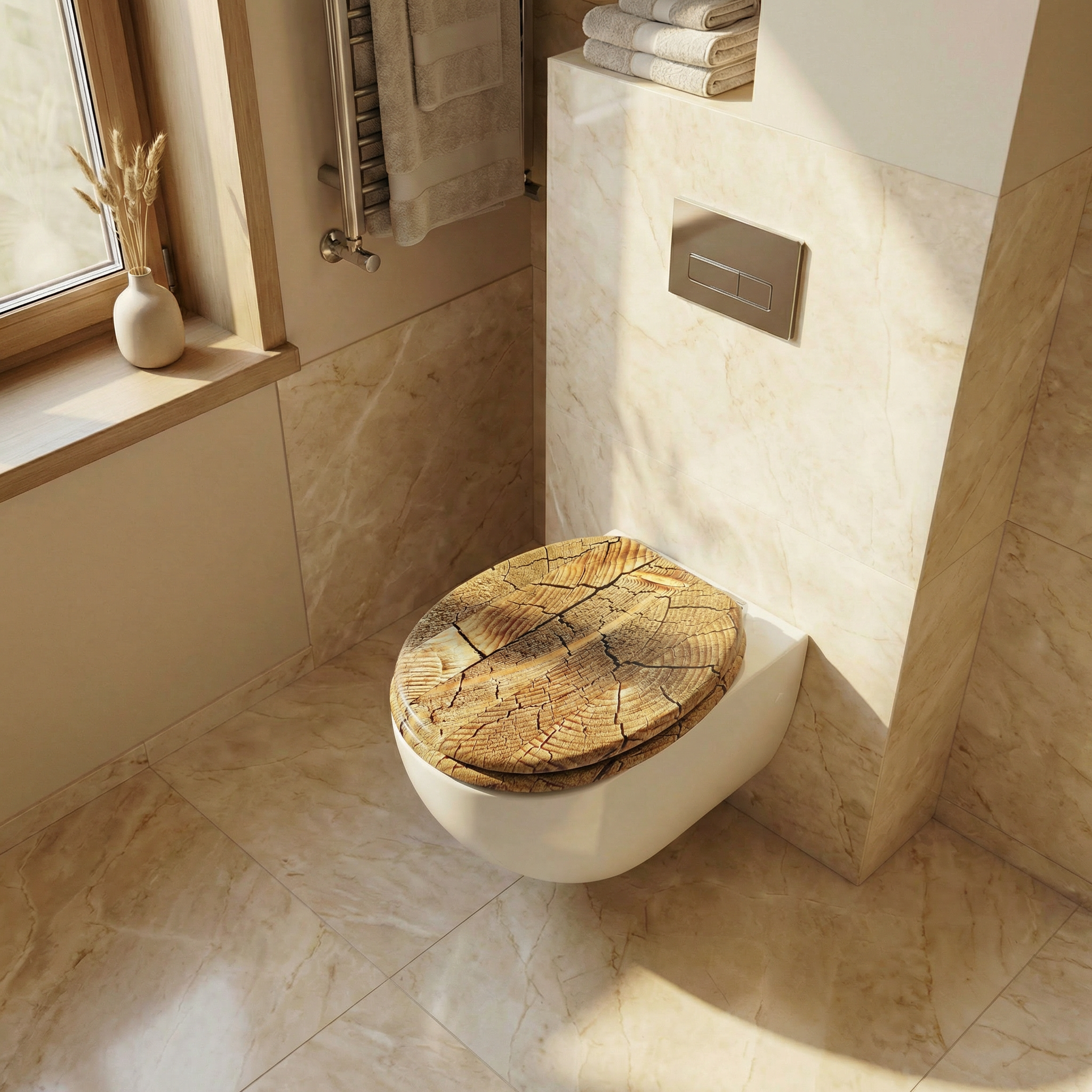
- Versatility in Design and Finish: MDF can be easily cut, routed, and shaped, allowing for a wide variety of designs and profiles. They are typically finished with multiple layers of paint or lacquer, offering a broad spectrum of colors and finishes, including wood-grain effects. This design flexibility is a significant advantage for retailers offering diverse aesthetic options.
- Solid Feel: Despite being an engineered wood product, MDF seats offer a substantial and solid feel, which many consumers appreciate.
- Ease of Installation: Generally, MDF seats are straightforward to install, often coming with standard hinge fittings.
Considerations and Limitations of MDF Toilet Seats:
- Water Sensitivity: The main drawback of MDF is its susceptibility to water damage. While coated, prolonged exposure to moisture, especially if the coating is compromised, can lead to swelling, warping, and delamination. This makes them less suitable for environments with high humidity or where they might be frequently splashed.
- Durability of Finish: The painted or lacquered finish, while aesthetically pleasing, can be prone to chipping or scratching over time, especially with heavy use or harsh cleaning agents. Once the protective layer is breached, the underlying MDF becomes vulnerable to moisture.
- Hygienic Concerns: If the surface finish is damaged, the porous nature of MDF can make it more challenging to clean thoroughly and potentially harbor bacteria, though modern coatings significantly mitigate this.
- Weight: MDF seats are typically heavier than UF seats, which can be a factor in shipping costs and handling, although it also contributes to their solid feel.
Market Suitability for MDF Toilet Seats:
MDF toilet seats excel in markets where affordability, design versatility, and a classic aesthetic are key drivers. They are well-suited for:
- Budget-conscious residential markets: Homeowners seeking an economical replacement or a specific color/finish will often choose MDF.
- Mass-market retail: Their lower price point makes them attractive for large retail chains and DIY stores.
- Rental properties: Where cost-effectiveness and easy replacement are priorities.
- Markets with traditional design preferences: The classic look and feel often appeal to specific regional tastes.
In regions where cost is a primary consideration, such as certain parts of the Middle East and Latin America, MDF seats can represent a significant portion of the market. Similarly, for retailers in Europe looking to offer a broad range of price points, MDF remains a viable option.
UF vs MDF Toilet Seat Comparison: A Side-by-Side Analysis
To further clarify the differences, let's look at a direct comparaison abattant WC UF MDF across key attributes:
| Feature | UF (Urea-Formaldehyde) / Duroplast | MDF (Medium-Density Fibreboard) |
|---|---|---|
| Material Composition | Thermosetting resin, cellulose fibers | Wood fibers, wax, resin binder |
| Durability | Excellent; highly scratch and impact resistant | Good; surface finish can scratch/chip |
| Hygienic Properties | Superior; non-porous, antibacterial options, easy to clean | Good; depends on intact surface coating; can be porous if damaged |
| Water Resistance | Excellent; completely waterproof | Fair; susceptible to swelling/warping if coating is compromised |
| Aesthetics/Finish | Ceramic-like, solid, high-gloss, color-stable | Painted/lacquered, wide range of colors/patterns, can mimic wood |
| Feel | Solid, substantial, cooler to touch | Solid, warm to touch |
| UV Resistance | Excellent; resistant to yellowing | Good; finish can fade or discolor over time if exposed |
| Chemical Resistance | Excellent; resistant to most cleaning agents | Good; harsh chemicals can damage finish |
| Soft-Close Compatibility | Highly compatible and common | Compatible, but less common than with UF |
| Price Point | Higher (premium segment) | Lower (economical segment) |
| Target Market | Premium, commercial, healthcare, high-traffic | Budget, mass-market, residential, design-flexible |
| Environmental Impact | Long lifespan, non-recyclable (thermoset) | Wood-based, can be made from recycled wood, but often not recyclable post-coating |
This table highlights that while both materials serve the fundamental purpose of a toilet seat, they cater to distinct market segments and consumer expectations. Your choice should be guided by a clear understanding of your target audience's priorities.
Strategic Sourcing: OEM/ODM Capabilities and Global Logistics
For B2B buyers, the material choice is only one piece of the puzzle. Equally important is partnering with a manufacturer who can meet your specific needs in terms of design, quality, and logistics. Jell Group, established in 2009, offers extensive OEM/ODM capabilities for both UF and MDF toilet seats, allowing you to customize products to your brand's specifications. Whether you require specific hinge types, unique color matching, or branded packaging, our experienced team can deliver tailored solutions.
Our commitment to quality is underscored by our certifications, including FSC, BSCI, ISO 9001, and TÜV. These certifications assure you of responsible sourcing, ethical manufacturing practices, and consistent product quality, which are vital for building consumer trust and complying with international standards.
Furthermore, our robust logistics network is designed to support global distribution. With warehouses strategically located in Germany (Mönchengladbach) and Poland (Łódź), we can offer efficient and cost-effective shipping solutions to our European partners, reducing lead times and optimizing supply chain management. For clients in the Middle East and the Americas, our established export channels to over 50 countries ensure reliable delivery.
Making the Right Choice: Factors to Consider
When deciding between UF and MDF toilet seats, consider the following factors:
- Target Market Demographics: Are your customers budget-conscious, or do they prioritize premium features and durability? For a high-end market, UF is often the superior choice. For mass-market appeal, MDF offers a competitive edge.
- Application Environment: Will the toilet seats be used in a high-traffic public restroom, a luxury hotel, or a residential home? UF's hygiene and durability make it ideal for demanding environments.
- Aesthetic Preferences: Does your market prefer the sleek, ceramic-like finish of Duroplast, or the warmth and design versatility of painted MDF?
- Price Point and Profit Margins: Evaluate the cost of goods, shipping, and your desired profit margins for each material type. MDF generally allows for lower retail prices, while UF can command higher margins in the premium segment.
- Warranty and Returns: Consider the expected lifespan and potential for warranty claims. UF seats typically have a longer lifespan and fewer issues related to material degradation.
- Sustainability Goals: While both have environmental considerations, some buyers might prefer the wood-based nature of MDF (if sustainably sourced) or the extreme longevity of UF.
- Logistics and Inventory: Factor in the weight differences (MDF is heavier) when calculating shipping costs and warehouse storage.
By carefully weighing these factors in the context of your specific business model and market, you can make an informed decision that enhances your product portfolio and strengthens your position in the sanitary ware market.
The Future of Toilet Seat Materials: Innovation and Trends
The sanitary ware industry is constantly evolving, with new materials and technologies emerging. While UF and MDF remain staples, manufacturers like Jell Group are also investing in research and development. For instance, the rise of smart bidet toilet seats often incorporates advanced UF materials for their robust and hygienic properties, integrating electronic components seamlessly. We also see continued innovation in coatings for MDF to improve water resistance and durability, as well as the exploration of recycled materials and more eco-friendly resins for both UF and MDF production.
Staying abreast of these trends and partnering with a forward-thinking manufacturer is key to maintaining a competitive edge. Jell Group is committed to continuous improvement, offering not just standard products but also innovative solutions that anticipate future market demands.
Conclusion: Partnering for Success in Toilet Seat Distribution
Choosing between UF and MDF toilet seats is a strategic decision that impacts your product offering, market positioning, and customer satisfaction. The UF vs MDF toilet seat comparison reveals that while UF (Duroplast) excels in durability, hygiene, and premium feel, MDF offers affordability and design flexibility. Both materials have their place in the global market, catering to different segments and preferences.
As a leading manufacturer, Jell Group (Hubei Jell Sanitary Co., Ltd.) is your reliable partner, providing high-quality UF, MDF, and PP toilet seats with comprehensive OEM/ODM services. Our global reach, certified quality standards, and efficient logistics infrastructure, including warehouses in Germany and Poland, are designed to support your business growth. We invite you to explore our product range and leverage our expertise to optimize your inventory and meet the diverse needs of your B2B clients across Europe, the Middle East, and the Americas.
For personalized consultations or to discuss your specific requirements, please contact us today. Let Jell Group be the foundation of your success in the sanitary ware market, ensuring your product offerings are always of the highest quality standards.
FAQ: Frequently Asked Questions about Toilet Seat Materials
What is the main difference between UF and MDF toilet seats?
The main difference lies in their material composition and properties. UF (Urea-Formaldehyde), also known as Duroplast, is a thermosetting plastic that is extremely hard, non-porous, highly scratch-resistant, and completely waterproof, offering superior hygiene and durability. MDF (Medium-Density Fibreboard) is an engineered wood product, which is more affordable, offers warmth, and greater design versatility, but is more susceptible to water damage if its protective coating is compromised.
Which material is more hygienic, UF or MDF?
UF toilet seats are generally considered more hygienic. Their non-porous surface prevents the absorption of moisture and bacteria, making them very easy to clean and resistant to stains. While MDF seats with intact coatings are also hygienic, any damage to the surface can expose the porous wood fibers, making them harder to sanitize effectively.
Are UF toilet seats more expensive than MDF toilet seats?
Yes, typically, UF toilet seats are more expensive than MDF toilet seats. The manufacturing process and the superior material properties of UF contribute to a higher production cost. MDF seats offer a more budget-friendly option, making them popular in mass-market segments where cost-effectiveness is a primary concern.
Can Jell Group provide custom designs for both UF and MDF toilet seats?
Absolutely. Jell Group specializes in OEM/ODM capabilities for both UF and MDF toilet seats. We can work with B2B buyers to develop custom designs, specific colors, unique hinge mechanisms, and branded packaging to meet your exact market requirements and brand specifications. Our extensive experience and flexible manufacturing processes ensure tailored solutions for your business.
blog.relatedArticles

MDF Toilet Seats: The Ultimate B2B Buying Guide
Discover the advantages of MDF toilet seats for your business. This comprehensive guide covers material benefits, durability, aesthetics, and key considerations for B2B buyers seeking quality and value from a trusted manufacturer like Jell Group.

MDF Toilet Seats: Your Ultimate B2B Buying Guide
Discover the benefits of MDF toilet seats and how Jell Group, a leading Chinese manufacturer, can be your trusted partner. Learn about quality, customization, and certifications for your business.
Launch Your Private Label Toilet Seat Brand with Jell Group
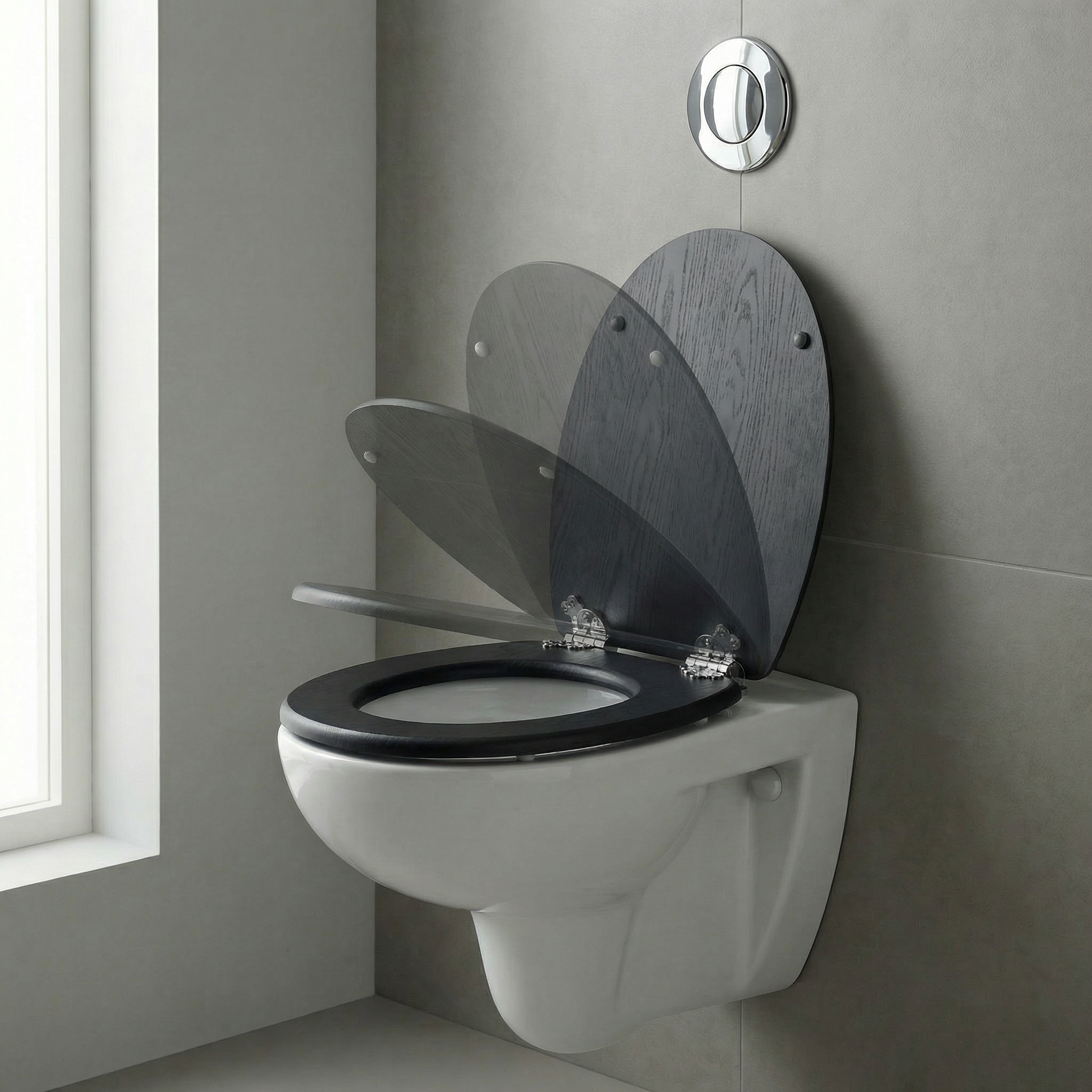
Discover how to successfully launch your own private label toilet seat brand. Learn about market opportunities, product selection, manufacturing partnerships, branding, and distribution strategies. Jell Group offers expert OEM/ODM solutions for a seamless launch.
Toilet Seat Warranties: Your Guide to Quality Guarantees
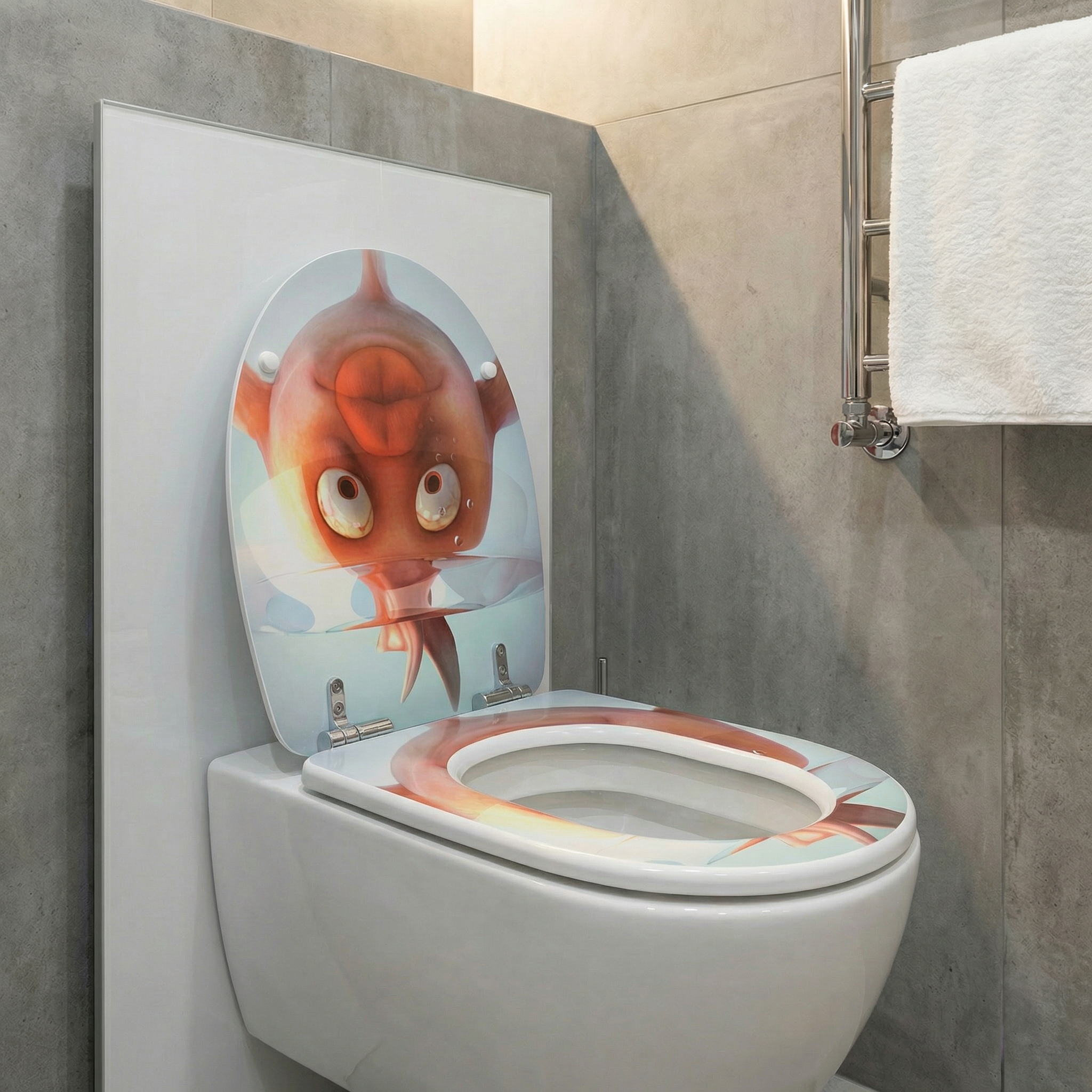
Navigate toilet seat warranties with confidence. Understand common terms, what's covered, and how Jell Group's commitment to quality ensures lasting value for your business. Essential knowledge for B2B buyers seeking reliable bathroom fixtures.