The Definitive Toilet Seat Size Measurement Guide for B2B Professionals
In the competitive world of sanitaryware, precision is not just a preference; it's a prerequisite for success. For distributors, retailers, and importers across Europe, the Middle East, and the Americas, understanding the nuances of toilet seat sizing is paramount. A perfectly fitting toilet seat enhances user comfort, improves hygiene, and significantly reduces costly returns and customer dissatisfaction. This comprehensive toilet seat size measurement guide is designed to equip B2B professionals with the knowledge and tools needed to confidently navigate the vast array of toilet pan designs and ensure optimal product selection for their clientele. We'll delve into the critical dimensions, common challenges, and best practices, including specific guidance on WC-Sitz Maße Messanleitung and guide mesure taille abattant WC, to streamline your procurement process and solidify your reputation as a reliable supplier.
As a leading manufacturer of high-quality toilet seats since 2009, Jell Group understands the intricacies involved in producing and supplying toilet seats that meet diverse market demands. Our expertise, honed through years of OEM/ODM partnerships and exports to over 50 countries, informs this guide, offering practical, actionable insights that go beyond basic measurements.
Why Accurate Toilet Seat Sizing Matters for Your Business
The seemingly simple task of choosing a toilet seat can quickly become complex due to the myriad of toilet pan shapes and sizes available globally. For B2B buyers, this complexity translates into several critical business implications:
- Reduced Returns and Logistics Costs: Incorrectly sized toilet seats are a primary reason for customer returns. Each return incurs shipping, handling, and restocking costs, eroding profit margins. Accurate sizing minimizes this burden.
- Enhanced Customer Satisfaction and Loyalty: A perfectly fitting toilet seat is a subtle yet significant factor in customer satisfaction. It reflects attention to detail and product quality, fostering loyalty and positive reviews.
- Streamlined Inventory Management: Knowing the exact dimensions required for various toilet pan types allows for more efficient inventory planning, reducing overstocking of slow-moving sizes and ensuring availability of popular ones.
- Competitive Advantage: Offering a wide range of accurately sized toilet seats, backed by expert advice, positions your business as a knowledgeable and reliable source, distinguishing you from competitors.
- Compliance with Standards: In some regions, specific dimensions or compatibility with certain toilet pan standards might be expected, making precise measurement crucial for market entry and compliance.
Understanding the fundamental principles of toilet seat size measurement guide is not just about avoiding mistakes; it's about building a robust, customer-centric business model.
The Essential Tools for Precise Measurement
Before diving into the measurements, ensure you have the right tools at hand. Accuracy is key, and using appropriate instruments will prevent errors that could lead to costly discrepancies.
- Tape Measure or Ruler: A flexible tape measure is ideal for curved surfaces, while a rigid ruler can be useful for straight edges. Ensure it's long enough to cover the maximum dimensions of a toilet seat (typically up to 50-60 cm).
- Pencil or Marker: For marking reference points if needed.
- Paper and Pen: To record your measurements clearly and systematically.
- Camera (Optional but Recommended): Taking photos of the toilet pan from different angles, especially the hinge area, can be invaluable for cross-referencing and communicating details to your supplier.
These simple tools, combined with a methodical approach, form the foundation of an effective WC-Sitz Maße Messanleitung.
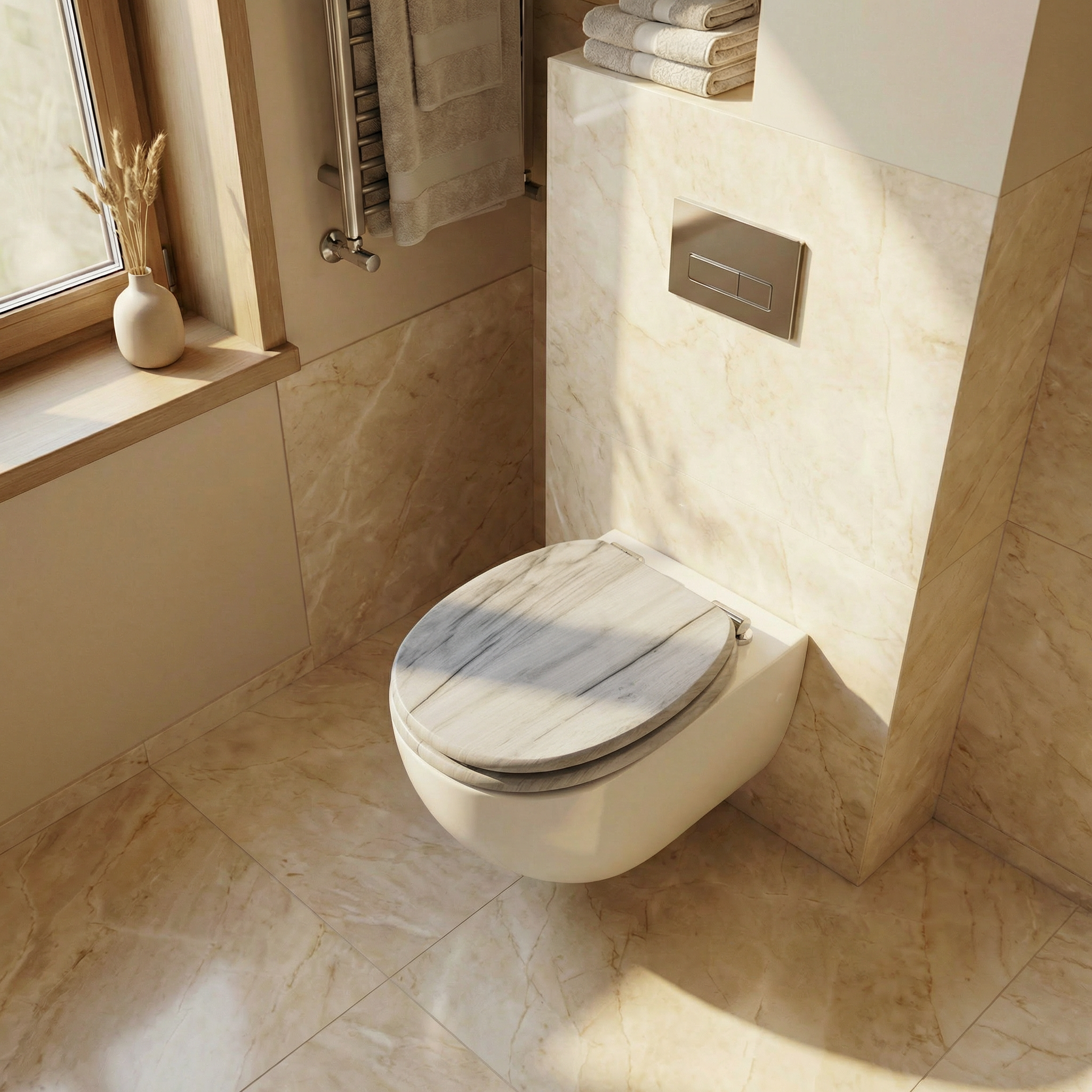
Key Dimensions: What to Measure and How
There are four primary dimensions that dictate the fit of a toilet seat. Each must be measured with precision. It's crucial to measure the toilet pan itself, not the old toilet seat, as the old seat might already be ill-fitting or distorted.
1. Length (L): From Hinge Holes to Front Rim
This is arguably the most critical measurement. It determines how far the seat extends over the front of the toilet pan.
- How to Measure: Place one end of your tape measure at the midpoint between the two hinge bolt holes at the back of the toilet pan. Extend the tape measure straight forward to the very front outer edge (rim) of the toilet pan.
- Important Note: Ensure the tape measure follows the contour of the pan if it's not a perfectly flat surface, especially for D-shaped or square toilets. Record this measurement in millimeters (mm) or centimeters (cm).
- Typical Range: Most standard toilet pans have a length between 420 mm and 470 mm.
2. Width (W): Widest Point of the Pan
The width measurement ensures the seat covers the entire pan without overhanging excessively or being too narrow.
- How to Measure: Identify the widest point of the toilet pan. This is usually across the middle, perpendicular to the length measurement. Place your tape measure across this widest point, from one outer edge of the rim to the other.
- Important Note: Do not measure the inner rim. Always measure the outer edges.
- Typical Range: Standard widths generally fall between 350 mm and 380 mm.
3. Hinge Hole Distance (H): Center-to-Center
This measurement is crucial for the installation mechanism and ensures the seat's hinges align perfectly with the toilet pan's mounting holes.
- How to Measure: Measure the distance from the center of one hinge bolt hole to the center of the other hinge bolt hole.
- Important Note: This measurement must be exact. Even a few millimeters of discrepancy can prevent proper installation.
- Typical Range: Common hinge distances are 155 mm, 165 mm, and 215 mm, though variations exist. Many modern seats offer adjustable hinges, but knowing the pan's fixed distance is still vital.
4. Hinge Hole to Back of Pan (B): Clearance for Seat and Cistern
This less commonly cited but equally important measurement ensures there's enough space between the hinge holes and the cistern for the seat to open fully without hitting the cistern.
- How to Measure: Measure from the center of the hinge bolt holes straight back to the very back edge of the toilet pan, where it meets the wall or cistern.
- Important Note: This measurement helps determine if a top-fix or bottom-fix hinge system is more suitable and if the seat design offers sufficient clearance.
- Typical Range: This can vary significantly depending on the toilet design, but generally, a minimum of 40-50 mm is preferred for comfortable seat operation.
These four measurements form the core of any reliable guide mesure taille abattant WC.
Understanding Toilet Pan Shapes and Their Impact on Seat Selection
Beyond the numerical measurements, the shape of the toilet pan plays a significant role in determining the correct seat. While some seats are universal (within certain size ranges), many are designed for specific pan shapes. Recognizing these shapes is vital for your B2B clients.
- Round/Oval: These are traditional shapes, often found in older installations or compact bathrooms. They are characterized by a circular or gently curved front.
- D-Shaped/Soft Close: Increasingly popular, these pans have a straight back edge and a curved front, resembling the letter 'D'. Many modern soft-close seats are designed for these.
- Square: A contemporary design, featuring sharper angles and a more geometric look. These require specific square-shaped seats.
- U-Shaped: Similar to D-shaped but with a more pronounced 'U' curve at the front.
- Specific/Designer Shapes: Some high-end or older toilet models have unique, proprietary shapes that may require custom-made or brand-specific seats. This is where OEM capabilities, like those offered by Jell Group, become invaluable.
When measuring, always consider the overall silhouette of the pan. A photo sent to your supplier, along with the dimensions, can prevent misunderstandings.
Navigating European Specifics: WC-Sitz Maße Messanleitung
The European market, particularly Germany, Austria, and Switzerland, often uses the term WC-Sitz Maße Messanleitung, emphasizing the importance of precise measurement for toilet seats. While the core principles remain the same, there are some regional considerations:
- Standardization: While there isn't a single universal standard, many European manufacturers adhere to common dimensions for widely used pan shapes. However, variations exist, especially with older or designer models.
- Top-Fix vs. Bottom-Fix Hinges: Many modern European toilets are 'back-to-wall' or 'wall-hung', meaning access to the underside of the pan for bottom-fix hinges is impossible. This necessitates top-fix hinge systems, where the bolts are tightened from above. Always confirm the hinge type required. Jell Group offers both top-fix and bottom-fix options across our range.
- Material Preferences: While MDF and PP are popular, UF (Urea-Formaldehyde) seats are highly favored in Europe for their ceramic-like feel, scratch resistance, and hygienic properties. This preference often influences the seat design and hinge mechanisms.
- Adjustability: Many European-style seats feature highly adjustable hinges (both forward/backward and side-to-side) to accommodate minor variations in pan dimensions, offering greater flexibility for retailers and consumers.
For B2B buyers targeting the European market, a deep understanding of these nuances, combined with a robust toilet seat size measurement guide, is critical for successful market penetration.
Advanced Considerations for B2B Procurement
Beyond the basic measurements, several advanced factors can influence your toilet seat procurement strategy:
1. Hinge Type and Functionality
The hinge mechanism is a critical component affecting durability, ease of cleaning, and user experience.
- Standard Hinges: Basic metal or plastic hinges.
- Soft-Close Hinges: A highly desirable feature, especially in residential and hospitality settings. These hinges use a hydraulic dampening system to close the seat and lid slowly and silently, preventing slamming and extending product life. Jell Group specializes in high-quality soft-close mechanisms.
- Quick-Release Hinges: Allow the seat to be easily detached from the pan for thorough cleaning, a significant selling point for hygiene-conscious consumers.
- Adjustable Hinges: Offer flexibility in fitting, accommodating slight variations in hinge hole distance and allowing for forward/backward adjustment to align the seat perfectly with the pan's front rim.
- Top-Fix vs. Bottom-Fix: As discussed, determine if the toilet pan allows access from underneath (bottom-fix) or requires installation from above (top-fix).
2. Material Selection
The choice of material impacts durability, aesthetics, price point, and target market.
- MDF (Medium-Density Fiberboard): Cost-effective, warm to the touch, and offers a traditional look. Often chosen for entry-level or replacement markets.
- PP (Polypropylene): Lightweight, durable, and resistant to chemicals. A popular choice for budget-friendly and commercial applications.
- UF (Urea-Formaldehyde): Premium material, ceramic-like feel, highly scratch-resistant, non-porous for superior hygiene, and offers a high-gloss finish. Ideal for mid-to-high-end markets and preferred in many European countries.
- Smart Bidet Toilet Seats: A growing segment, offering integrated washing and drying functions. These require precise sizing and often come with specific installation requirements. Jell Group offers a range of smart bidet toilet seats, combining advanced technology with ergonomic design.
Your material choice should align with your target market's preferences and price sensitivity. Jell Group's diverse product portfolio, including MDF, UF, and PP toilet seats, ensures you can meet these varied demands.
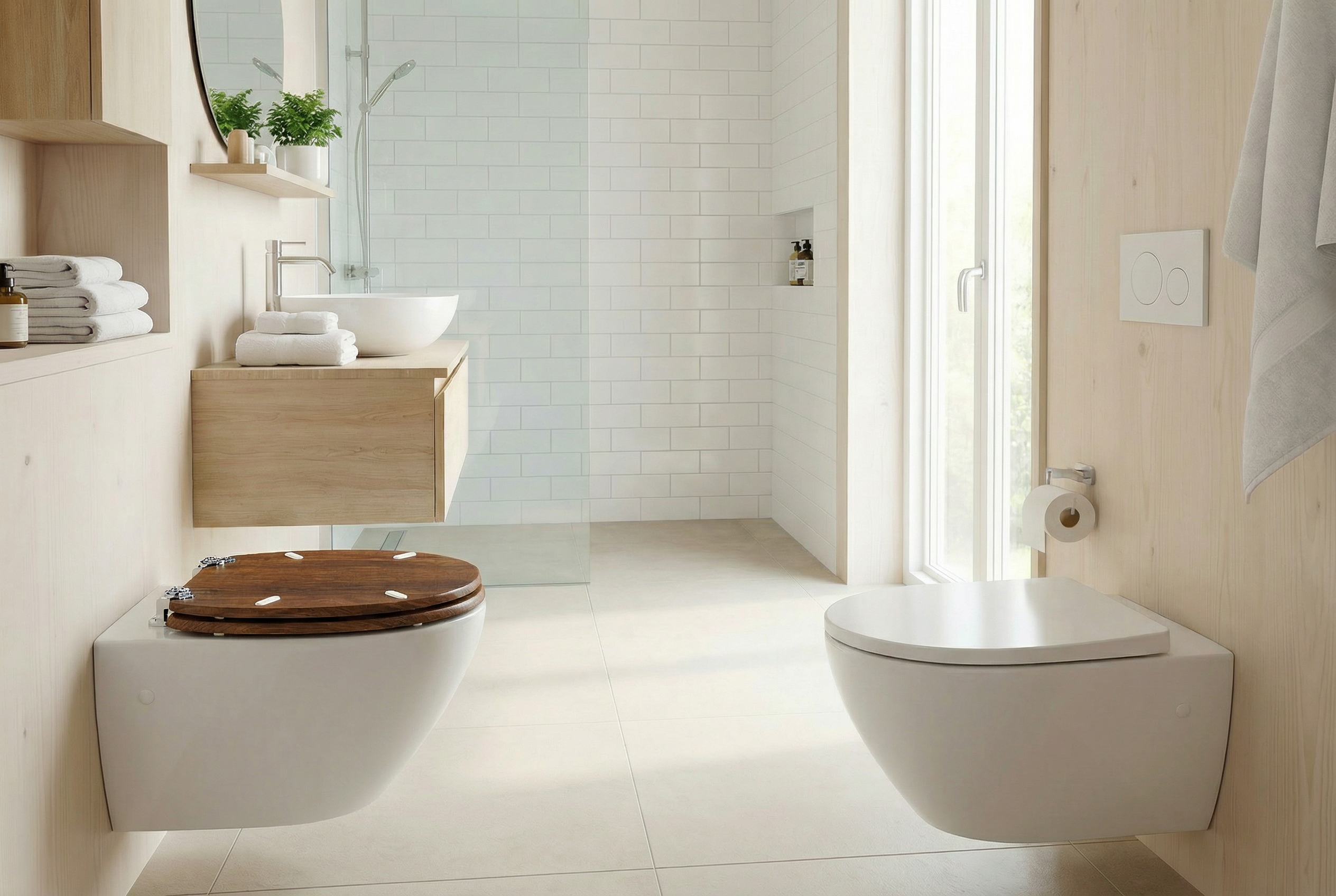
3. OEM/ODM Capabilities and Customization
For large distributors and retailers, the ability to offer unique products under their own brand is a significant advantage. This is where OEM (Original Equipment Manufacturer) and ODM (Original Design Manufacturer) services become crucial.
- OEM: Manufacturing products based on your specific designs and specifications. This allows for brand consistency and unique product offerings.
- ODM: Developing new products based on your concept or market needs, from design to production. This is ideal for creating innovative solutions or filling specific market gaps.
Jell Group's robust OEM/ODM capabilities mean we can produce toilet seats tailored to your exact requirements, whether it's a specific shape, color, material, or hinge system. This flexibility is particularly valuable when dealing with proprietary toilet pan designs or seeking to differentiate your brand in the marketplace. We can assist with creating a custom toilet seat size measurement guide for your specific product lines.
4. Quality Certifications and Compliance
For international trade, especially into Europe and the Americas, certifications are non-negotiable.
- FSC (Forest Stewardship Council): Ensures wood-based products (like MDF) come from sustainably managed forests, appealing to environmentally conscious consumers.
- BSCI (Business Social Compliance Initiative): Demonstrates commitment to ethical labor practices in the supply chain.
- ISO 9001: Certifies a robust quality management system, ensuring consistent product quality.
- TÜV: A widely recognized German certification for product safety and quality, highly valued in European markets.
Jell Group proudly holds these certifications, providing assurance of our product quality and ethical manufacturing processes. This commitment to standards translates into reliable products for your customers and fewer compliance headaches for your business.
Practical Steps for Your Team: Implementing a Robust Measurement Protocol
To ensure consistency and accuracy across your operations, implement a clear, step-by-step protocol for your sales and procurement teams:
- Train Your Staff: Educate all relevant personnel on the four key measurements (Length, Width, Hinge Hole Distance, Hinge Hole to Back of Pan) and the different toilet pan shapes. Provide hands-on training with various toilet pan models.
- Standardize Measurement Forms: Develop a standardized form or digital template for recording measurements. Include spaces for all four dimensions, pan shape, hinge type, and any special notes or photos.
- Utilize Visual Aids: Create a visual toilet seat size measurement guide with diagrams and examples of different toilet pan shapes. This can be invaluable for both internal training and customer support.
- Leverage Supplier Expertise: Work closely with manufacturers like Jell Group. Provide them with your measurements, photos, and any specific requirements. Our technical team can often identify the best fit or advise on customization options.
- Feedback Loop: Establish a system to collect feedback on seat fit from your customers. This data can help refine your product selection and measurement protocols over time.
By integrating a rigorous WC-Sitz Maße Messanleitung into your business processes, you empower your team to make informed decisions and provide superior service.
Case Study: Reducing Returns with Precision Sizing
A large European sanitaryware distributor faced a persistent issue of 15% returns on toilet seats, primarily due to incorrect sizing. This was impacting their profitability and customer satisfaction scores. They partnered with Jell Group to implement a new procurement and sales strategy focused on precise measurement.
Actions Taken:
- Jell Group provided a detailed toilet seat size measurement guide and conducted virtual training sessions for the distributor's sales and customer service teams, focusing on the four key dimensions and pan shapes.
- The distributor adopted a standardized measurement form, requiring customers to submit all four measurements and a photo of their toilet pan.
- Jell Group's R&D team cross-referenced these measurements with their extensive database of toilet pan designs, recommending specific models or suggesting minor adjustments to hinge designs for optimal fit.
- For frequently ordered custom shapes, Jell Group developed OEM products with slightly adjustable hinges to accommodate minor pan variations.
Results:
- Within 12 months, the toilet seat return rate dropped from 15% to under 3%.
- Customer satisfaction scores for toilet seat purchases increased by 25%.
- The distributor reported a 10% increase in repeat business for sanitaryware, attributing it to the improved product fit and reduced hassle for customers.
- Logistics costs associated with returns decreased by over 70%, significantly boosting profitability.
This case study underscores the tangible benefits of a meticulous approach to toilet seat size measurement guide and strong manufacturer partnership.
Conclusion: Partnering for Precision and Profitability
Mastering the art of toilet seat sizing is more than just a technical skill; it's a strategic imperative for B2B buyers in the sanitaryware industry. By diligently applying a comprehensive toilet seat size measurement guide, understanding the nuances of different toilet pan shapes, and leveraging the expertise of a reputable manufacturer, you can significantly enhance your operational efficiency, reduce costs, and build lasting customer relationships.
Jell Group (Hubei Jell Sanitary Co., Ltd.) stands as your trusted partner in this endeavor. With our extensive experience since 2009, state-of-the-art manufacturing facilities, diverse product range (MDF, UF, PP, and smart bidet toilet seats), and robust OEM/ODM capabilities, we are equipped to meet your most demanding requirements. Our commitment to quality, backed by FSC, BSCI, ISO 9001, and TÜV certifications, ensures that every product you receive is of the highest standard. With warehouses in Germany (Mönchengladbach) and Poland (Łódź), we offer efficient logistics and support for our European partners.
Don't let incorrect sizing be a bottleneck for your business. Empower your team with this definitive guide, and partner with Jell Group for precision, reliability, and profitability. Explore our product range today or contact us to discuss your specific needs and learn more about our quality standards and custom solutions.
FAQ: Frequently Asked Questions about Toilet Seat Sizing
Q1: Can I just measure my old toilet seat instead of the pan?
A1: While it might seem easier, it's generally not recommended. Your old toilet seat might already be ill-fitting, distorted from use, or a different shape than the original pan. Always measure the toilet pan itself to ensure the most accurate fit for a new seat. This is a crucial part of any reliable toilet seat size measurement guide.
Q2: What if my toilet pan has an unusual shape or proprietary dimensions?
A2: For unusual or proprietary toilet pan shapes, standard measurements might not be sufficient. In such cases, it's best to take detailed photos of the pan from multiple angles, along with all four key measurements (length, width, hinge hole distance, and hinge hole to back). Provide these details to your manufacturer (like Jell Group), who can often identify the correct seat from their database or offer OEM/ODM solutions for custom designs. This is where a comprehensive guide mesure taille abattant WC truly shines.
Q3: What's the difference between top-fix and bottom-fix hinges, and how do I know which one I need?
A3: Bottom-fix hinges are installed by inserting bolts through the hinge holes from above and tightening nuts from underneath the toilet pan. This requires access to the underside of the pan. Top-fix hinges are installed entirely from above, using expanding rubber bungs or specialized fixings that tighten from the top. You need top-fix hinges if your toilet is 'back-to-wall' or 'wall-hung' and there's no access to the underside of the pan. Always check the installation method of the toilet pan before ordering. Jell Group offers both options to suit various toilet designs, as detailed in our WC-Sitz Maße Messanleitung.
Q4: How important is the 'Hinge Hole to Back of Pan' measurement?
A4: This measurement, though often overlooked, is very important. It ensures that when the toilet seat is fully open, the lid doesn't hit the cistern or wall behind it. If this distance is too short, the seat may not open completely, or it could cause damage over time. It also helps in selecting seats with appropriate hinge adjustments to ensure the seat sits correctly on the pan without gaps or overhangs at the back. It's a key detail for a perfect fit and functionality, especially when following a detailed toilet seat size measurement guide.
blog.relatedArticles

Toilet Seat Quality Control: Ensuring Excellence in Every Product
Discover essential toilet seat quality control measures and testing standards vital for manufacturers and buyers. Learn about key certifications and how Jell Group prioritizes product integrity for global markets.
Choosing the Perfect Hotel Bathroom Toilet Seat
Discover essential factors for selecting durable, stylish, and hygienic toilet seats for your hotel or hospitality project. Learn about materials, features, and supplier considerations for a superior guest experience.

MDF Toilet Seats: The Ultimate B2B Buying Guide
Discover the advantages of MDF toilet seats for your business. This comprehensive guide covers material benefits, durability, aesthetics, and key considerations for B2B buyers seeking quality and value from a trusted manufacturer like Jell Group.

MDF Toilet Seats: Your Ultimate B2B Buying Guide
Discover the benefits of MDF toilet seats and how Jell Group, a leading Chinese manufacturer, can be your trusted partner. Learn about quality, customization, and certifications for your business.