German Bathroom Renovation Market 2026: Trends and Toilet Seat Demand
The German bathroom renovation market is poised for continued growth through 2026, driven by an aging population, rising sustainability concerns, and a desire for modern, accessible spaces. This evolving landscape presents significant opportunities for high-quality, sustainably manufactured toilet seats that meet discerning German consumer preferences.
Germany has long been recognized for its meticulous standards and appreciation for quality, particularly within the home improvement sector. The bathroom, as a focal point of personal hygiene and relaxation, is no exception. As we look towards 2026, several converging trends are shaping the German bathroom renovation market, directly impacting the demand for various bathroom components, including toilet seats.
Key Drivers of the German Bathroom Renovation Market in 2026
Several overarching factors are contributing to the sustained dynamism of the German bathroom renovation market:
- Demographic Shifts: Germany's aging population is a significant driver. As individuals age, there is an increasing need for bathrooms that are not only aesthetically pleasing but also safe, accessible, and comfortable. This translates to a demand for features like walk-in showers, raised toilet seats, and integrated support systems.
- Sustainability and Eco-Consciousness: German consumers are highly aware of environmental issues. This translates into a strong preference for products made from sustainable materials, those with low water consumption, and those manufactured through environmentally responsible processes. Energy efficiency and durability are also key considerations.
- Technological Advancements: The integration of smart technology in bathrooms is on the rise. While this might seem distant for toilet seats, features like heated seats, bidet functions, and even soft-close mechanisms are becoming more commonplace and desired.
- Desire for Modernization and Comfort: Beyond necessity, many German homeowners are undertaking renovations to update outdated bathrooms, improve comfort, and increase the overall value of their properties. This includes a focus on design aesthetics, premium materials, and enhanced functionality.
- Increased Disposable Income (Projected): While economic forecasts can fluctuate, a general trend towards stable or increasing disposable income among a significant portion of the German population supports investment in home improvements, including extensive bathroom renovations.
Evolving Consumer Preferences for Toilet Seats
Within this dynamic market, toilet seats are experiencing a shift in demand, moving beyond basic functionality to encompass a broader range of attributes:
- Material Quality and Durability: German consumers expect products to last. This places a premium on high-quality materials. For toilet seats, this means a strong preference for robust and durable options. Medium-Density Fiberboard (MDF), when manufactured to high standards, offers an excellent balance of aesthetics, durability, and cost-effectiveness. Manufacturers like Jell Group, established in 2009 in Jingmen, Hubei, have built a reputation for producing high-quality MDF toilet seats that meet international standards, making them a trusted choice for the European market.
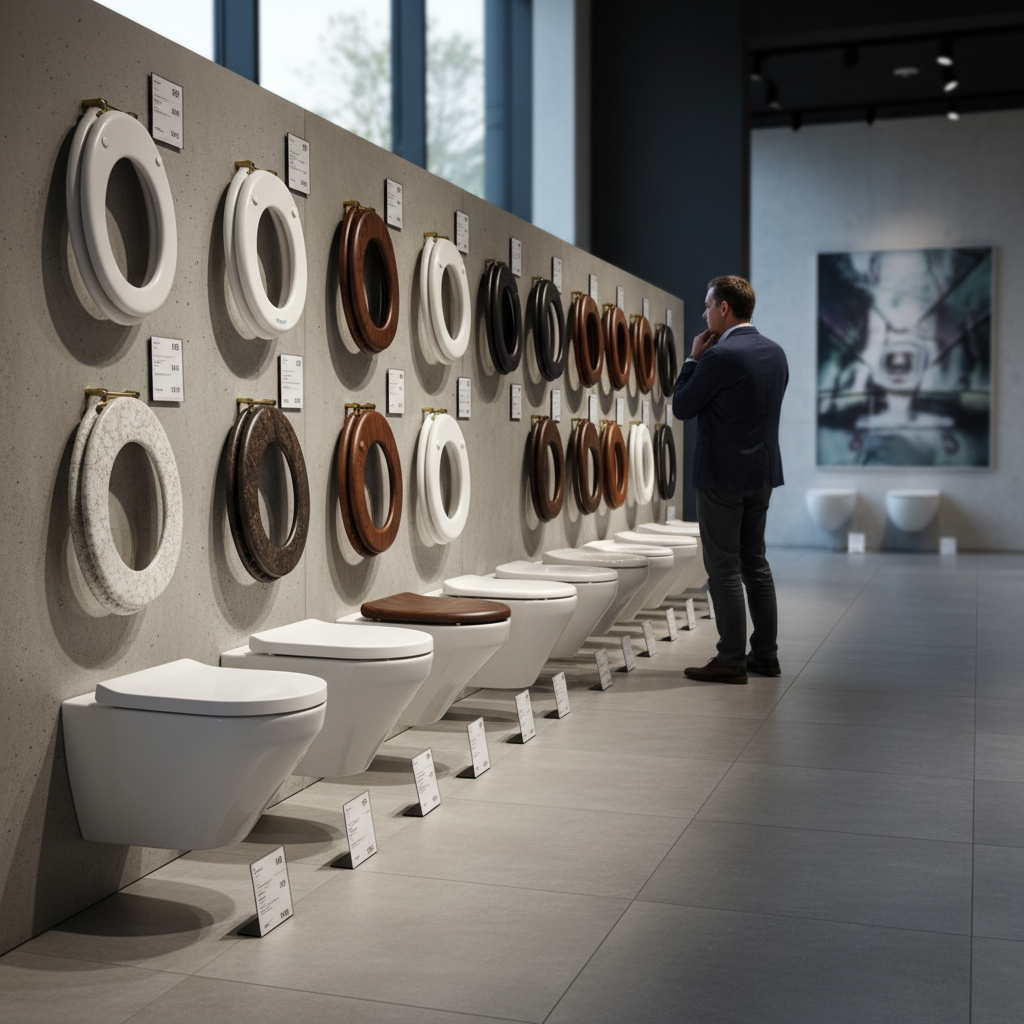
- Aesthetics and Design: The toilet seat is no longer an afterthought. It's an integral part of the overall bathroom design. Consumers are looking for seats that complement their chosen tile, vanity, and fixture styles. This includes a wide range of colors, finishes (matte, gloss), and shapes (round, D-shape).
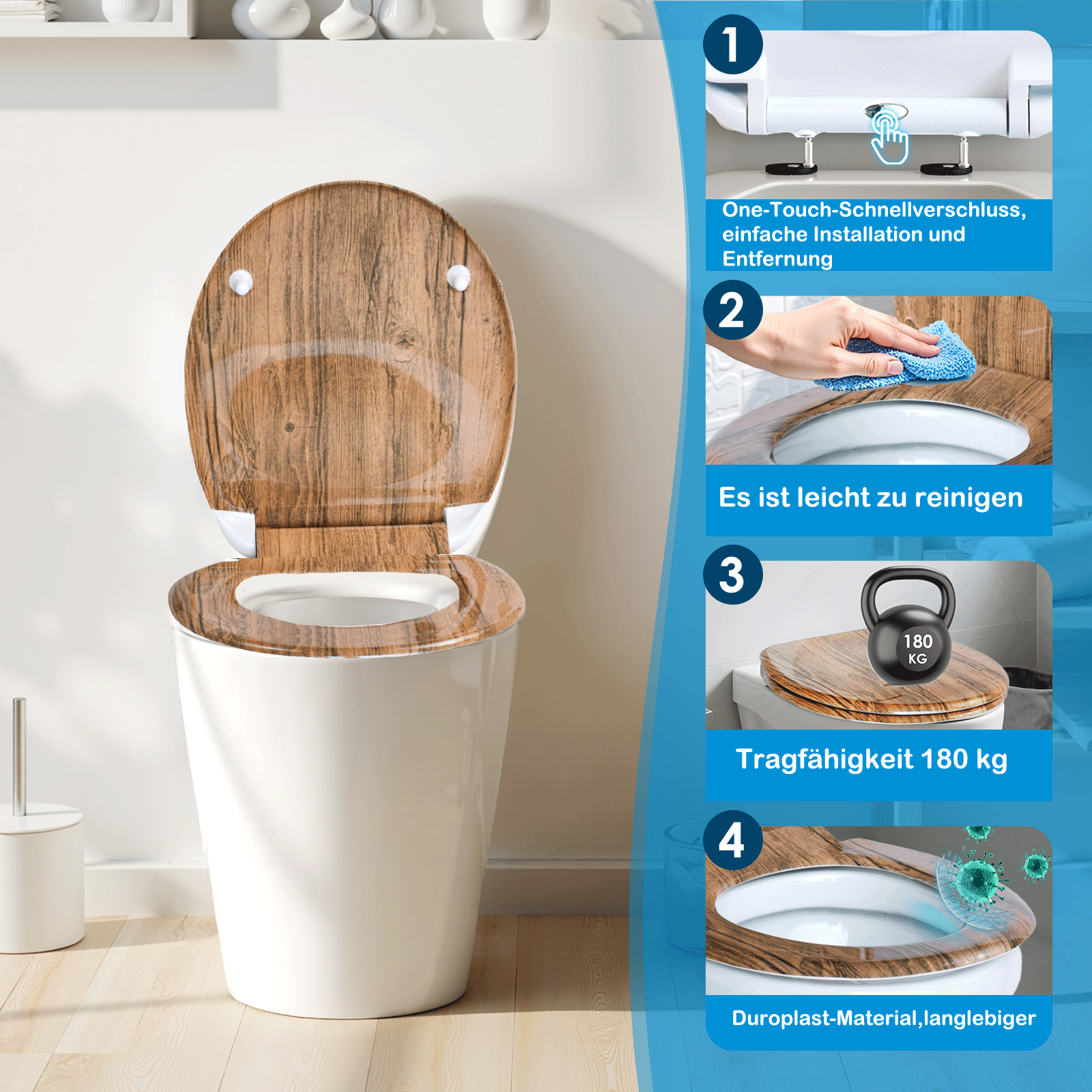
- Hygiene and Ease of Cleaning: With heightened awareness of hygiene, toilet seats that are easy to clean and maintain are highly sought after. Features like quick-release mechanisms for easier seat removal and non-porous surfaces contribute to this demand.
- Comfort and Ergonomics: The comfort of a toilet seat is increasingly important, especially for longer-term use or in households with elderly individuals. Ergonomically designed seats that provide adequate support are gaining traction.
- Sustainability Certifications: As mentioned, sustainability is paramount. Toilet seat manufacturers that can demonstrate their commitment through certifications like FSC (Forest Stewardship Council) for responsibly sourced wood, and adherence to environmental regulations like CARB (California Air Resources Board) for formaldehyde emissions, will have a significant competitive advantage.
- Safety and Compliance: Adherence to European safety standards is non-negotiable. Certifications such as TUV (Technischer Überwachungsverein) and CE marking are essential indicators of product safety and compliance, reassuring German buyers of a product's quality and reliability.
The Role of MDF Toilet Seats in the German Market
Medium-Density Fiberboard (MDF) has emerged as a popular material for toilet seats due to its versatility and cost-effectiveness. When manufactured with advanced techniques and high-quality resins, MDF toilet seats can offer:
- Smooth, Paintable Surfaces: MDF provides an excellent base for a wide range of finishes and colors, allowing for extensive customization to match diverse bathroom décors.
- Durability and Stability: High-density MDF, properly treated and coated, is resistant to moisture and warping, ensuring longevity.
- Cost-Effectiveness: Compared to solid wood or certain plastics, MDF offers a more budget-friendly option without compromising significantly on quality or aesthetics, making it attractive for renovation projects of all scales.
For manufacturers, producing MDF toilet seats that meet stringent German quality expectations requires a robust manufacturing process. This includes precise material selection, advanced pressing techniques, and high-quality finishing to ensure durability, hygiene, and aesthetic appeal. Jell Group, with its extensive experience and commitment to quality control, is well-positioned to supply the German market with premium MDF toilet seats that align with these demands.
Market Opportunities for Toilet Seat Manufacturers
The German bathroom renovation market in 2026 presents a fertile ground for toilet seat manufacturers who can adapt to evolving consumer needs and regulatory requirements. Key opportunities include:
- Focus on Sustainable Sourcing and Production: Highlighting FSC certifications and eco-friendly manufacturing processes will resonate strongly with German consumers and businesses.
- Offering a Diverse Range of Designs and Finishes: Catering to the aesthetic preferences of the German market with a wide selection of colors, shapes, and finishes is crucial.
- Emphasizing Durability and Hygiene Features: Products that are built to last and are easy to maintain will be favored. Features like soft-close hinges and quick-release mechanisms are becoming standard expectations.
- Leveraging Certifications for Trust and Credibility: Obtaining and prominently displaying certifications such as TUV, BSCI (Business Social Compliance Initiative), CARB, and CE marking will build trust and demonstrate a commitment to quality and ethical production.
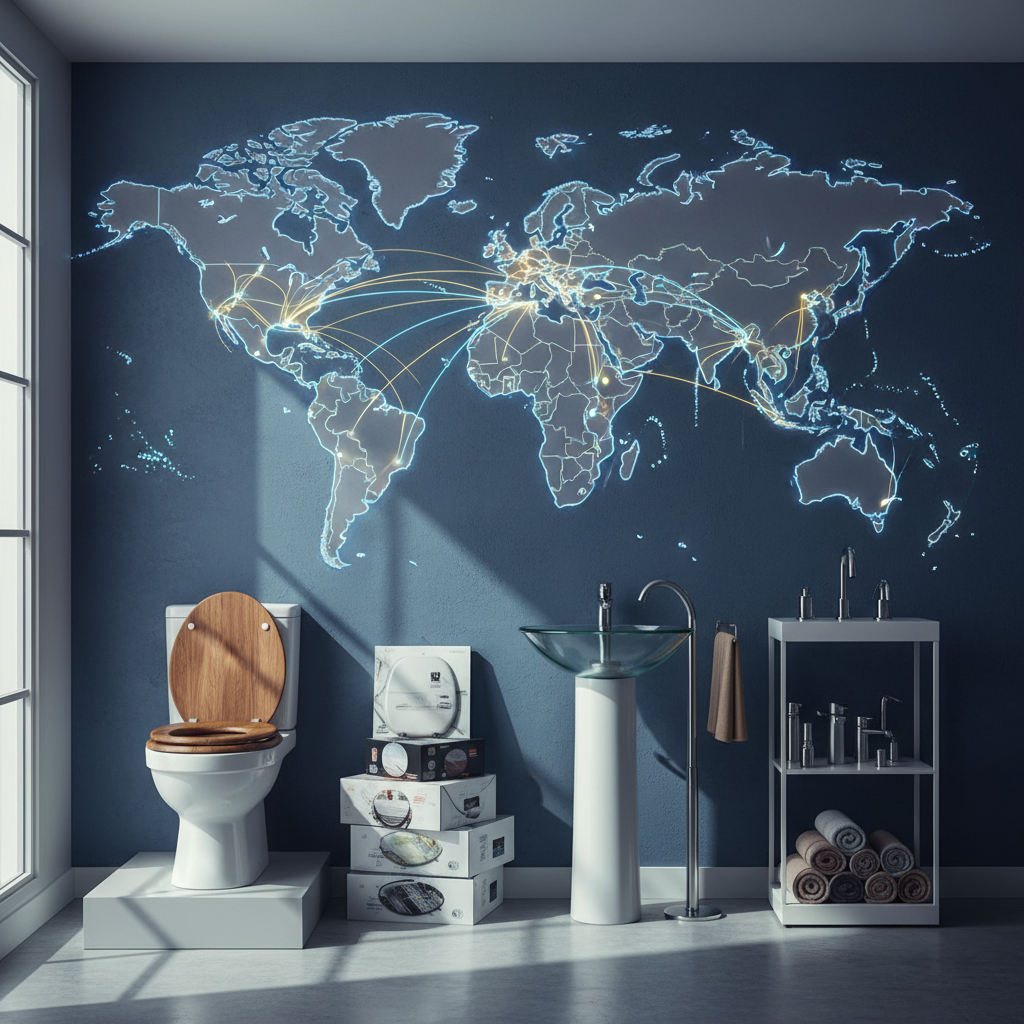
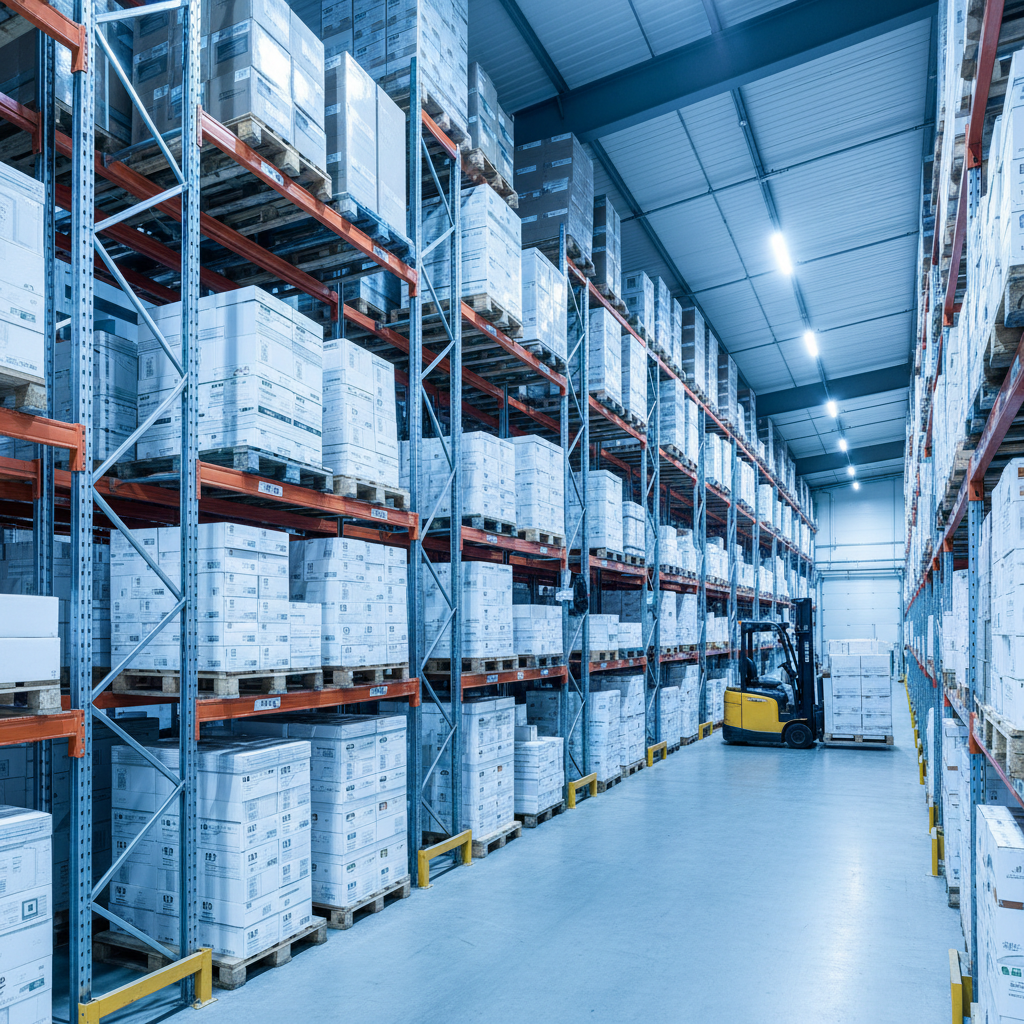
- Ensuring Efficient Logistics for the EU Market: For international manufacturers, establishing a strong logistical network is vital. Having European warehouses, such as those maintained by Jell Group in Germany and Poland, ensures rapid and cost-effective delivery throughout the EU, a significant advantage for B2B clients.
Technical Considerations for High-Demand Toilet Seats
When supplying the German market, technical specifications are paramount. Manufacturers should pay close attention to:
- Material Density and Composition: Ensuring the MDF used meets specific density requirements for durability and structural integrity.
- Finishing Durability: The coating and finishing of the toilet seat must be resistant to moisture, cleaning agents, and UV light to prevent discoloration and degradation.
- Hinge Mechanism Quality: The hinge mechanism, especially for soft-close functions, must be robust and reliable for long-term use.
- Dimensions and Fitment: Offering a range of standard dimensions and ensuring compatibility with common toilet bowl designs is essential.
- Formaldehyde Emission Standards: Strict adherence to CARB standards or equivalent European regulations is a must.
Conclusion: Preparing for the 2026 Market
The German bathroom renovation market in 2026 is set to be a landscape of informed consumers prioritizing quality, sustainability, and modern functionality. For toilet seat manufacturers, success will hinge on their ability to meet these evolving demands. By focusing on high-quality materials like responsibly sourced MDF, adhering to stringent international certifications (FSC, TUV, BSCI, CARB, CE), and ensuring efficient logistics with European warehousing, businesses can position themselves as reliable partners for the German market.
Jell Group, with its established expertise, commitment to quality, and strategic European presence, is ready to support your business needs in this growing market. We understand the intricacies of European standards and consumer expectations, offering a reliable supply of premium MDF toilet seats.
To explore how Jell Group can contribute to your success in the German bathroom renovation market, please reach out to our sales team at [email protected].
Key Takeaways for B2B Partners:
The German bathroom renovation market in 2026 will be characterized by:
| Trend | Impact on Toilet Seats | Manufacturer Focus |
|---|---|---|
| Aging Population & Accessibility | Demand for comfort, ergonomic designs, and potentially higher seats. | Offer comfortable, stable designs; explore ergonomic features. |
| Sustainability & Eco-Consciousness | Preference for certified sustainable materials (FSC), low-VOC finishes. | Highlight FSC certification, eco-friendly production, and compliance (CARB). |
| Modernization & Aesthetics | Demand for diverse designs, colors, and finishes to match decor. | Provide a wide aesthetic range; ensure high-quality, durable finishes. |
| Hygiene & Ease of Maintenance | Preference for easy-to-clean surfaces and quick-release mechanisms. | Focus on non-porous materials and user-friendly maintenance features. |
| Technological Integration (Emerging) | Growing interest in features like soft-close, heated seats. | Innovate with reliable soft-close mechanisms; explore smart features for future demand. |
Partnering with a manufacturer that understands these nuances is crucial. Jell Group is committed to delivering products that meet and exceed these expectations, backed by our certifications and robust supply chain.

blog.relatedArticles
Netherlands Bathroom Renovation Trends: What Dutch Consumers Want in Toilet Seats
Explore the latest Netherlands bathroom renovation market trends, focusing on Dutch consumer preferences for toilet seats. Discover how sustainability, smart features, and design influence purchasing decisions in this evolving market.
Bathroom Renovation 2026: Toilet Seat Upgrade Ideas for Modern Spaces
Planning a bathroom renovation in 2026? Discover innovative toilet seat upgrade ideas that blend aesthetics, hygiene, and smart technology. Elevate your bathroom's functionality and style with Jell Group's premium solutions.
Luxury Bathroom Design Trends: Premium Toilet Seats for High-End Projects
Explore the latest luxury bathroom design trends and discover how premium toilet seats are becoming essential elements for high-end projects. Learn about smart features, sustainable materials, and bespoke designs that elevate the modern bathroom experience for discerning clients and B2B buyers.
Importing MDF Toilet Seats to Bahrain: Market Demand & Logistics
Explore the burgeoning market for MDF toilet seats in Bahrain, covering key demand drivers, logistical considerations, and regulatory aspects for successful import. Discover how Jell Group facilitates smooth B2B operations for MDF toilet seat Bahrain import.
Industry Case Studies
Thomas M. — Home & Living GmbH
Finding a reliable toilet seat supplier who could provide consistent quality, FSC certification for the German market, and fast restocking through local warehousing. Previous suppliers had inconsistent quality and long lead times from China.
Stefan H. — Heim & Bad Vertrieb GmbH
Kaufland and REWE operate on razor-thin margins with massive volume requirements. Products must meet German retail packaging standards, include multilingual EU labeling, and maintain consistent quality across hundreds of thousands of units.
Klaus W. — Badausstattung Meister GmbH
Supplying three major German DIY chains simultaneously requires massive production capacity, strict DIN quality standards, German-language packaging, and the ability to manage different private label requirements for each chain.