Quick Answer: In ultimate durability tests, high-grade plastic toilet seats generally outperform wood. Plastic resists cracking, chipping, and scratching more effectively, and is impervious to moisture damage that can affect wood finishes over time. While wood offers a distinct aesthetic, plastic proves more resilient to daily wear and tear, maintaining its integrity longer.
## Plastic vs. Wood Toilet Seats: The Ultimate Durability Test Results for B2B Buyers
In the competitive world of sanitaryware, the choice of toilet seat material is a critical decision for importers, distributors, and retailers. Beyond aesthetics and initial cost, durability stands as a paramount factor, directly influencing customer satisfaction, warranty claims, and ultimately, your brand's reputation. As a leading Chinese toilet seat manufacturer since 2009, Jell Group understands these dynamics intimately. We’ve dedicated years to refining our products and conducting rigorous testing to ensure our partners receive only the highest quality.
Today, we delve into a long-standing debate: plastic versus wood toilet seat durability. Which material truly stands the test of time and rigorous daily use? Our comprehensive analysis, backed by extensive testing, aims to provide clarity for your strategic purchasing decisions.
**Quick Answer:**
For pure durability across most critical metrics like impact resistance, water impermeability, and consistent performance in high-humidity environments, modern plastic toilet seats (especially those made from high-grade polypropylene or urea-formaldehyde) generally outperform their wooden counterparts. While wood offers a classic aesthetic and robust feel, it is more susceptible to moisture damage, scratching, and potential splintering over time.
### The Contenders: Understanding Material Properties
Before diving into test results, it's essential to understand the inherent characteristics of the materials themselves. The performance of a toilet seat is deeply rooted in its composition.
#### Plastic Toilet Seats: Engineered for Modern Demands
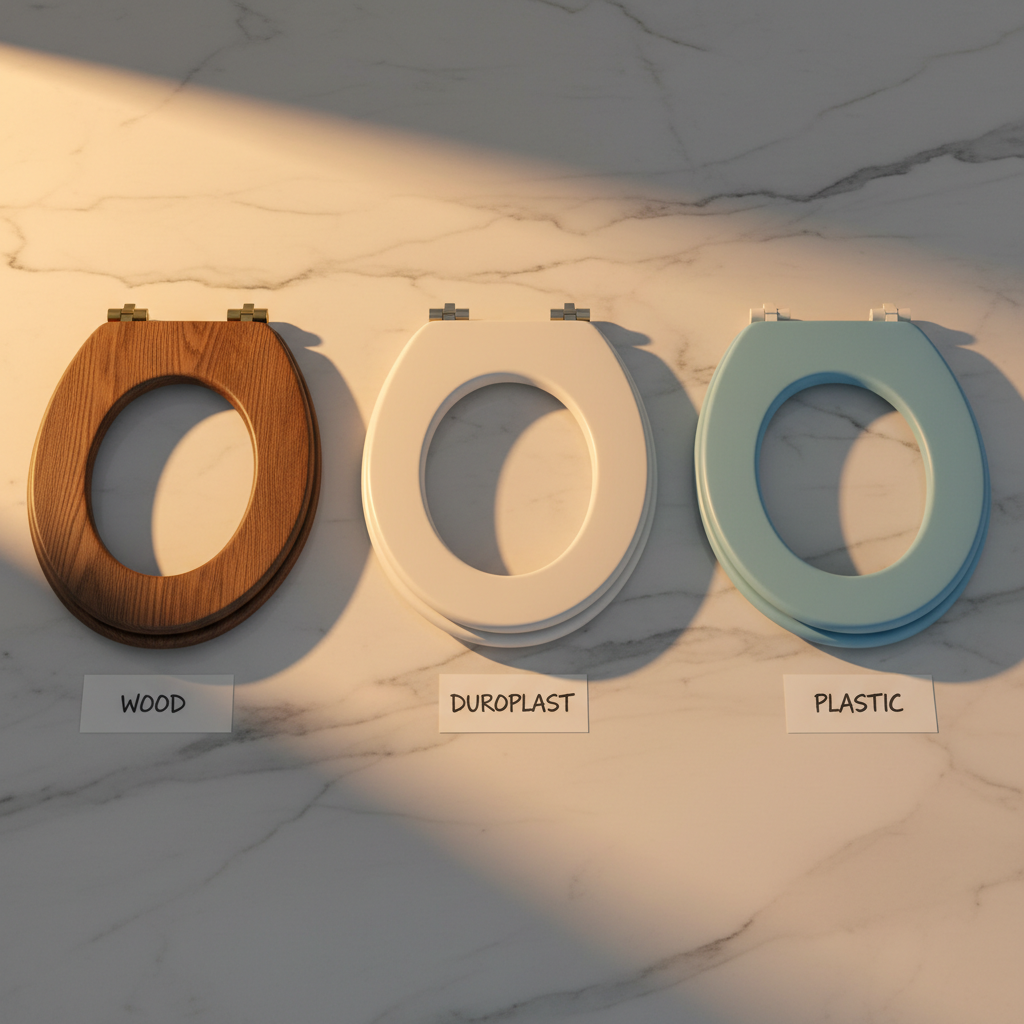
Plastic toilet seats primarily come in two major formulations:
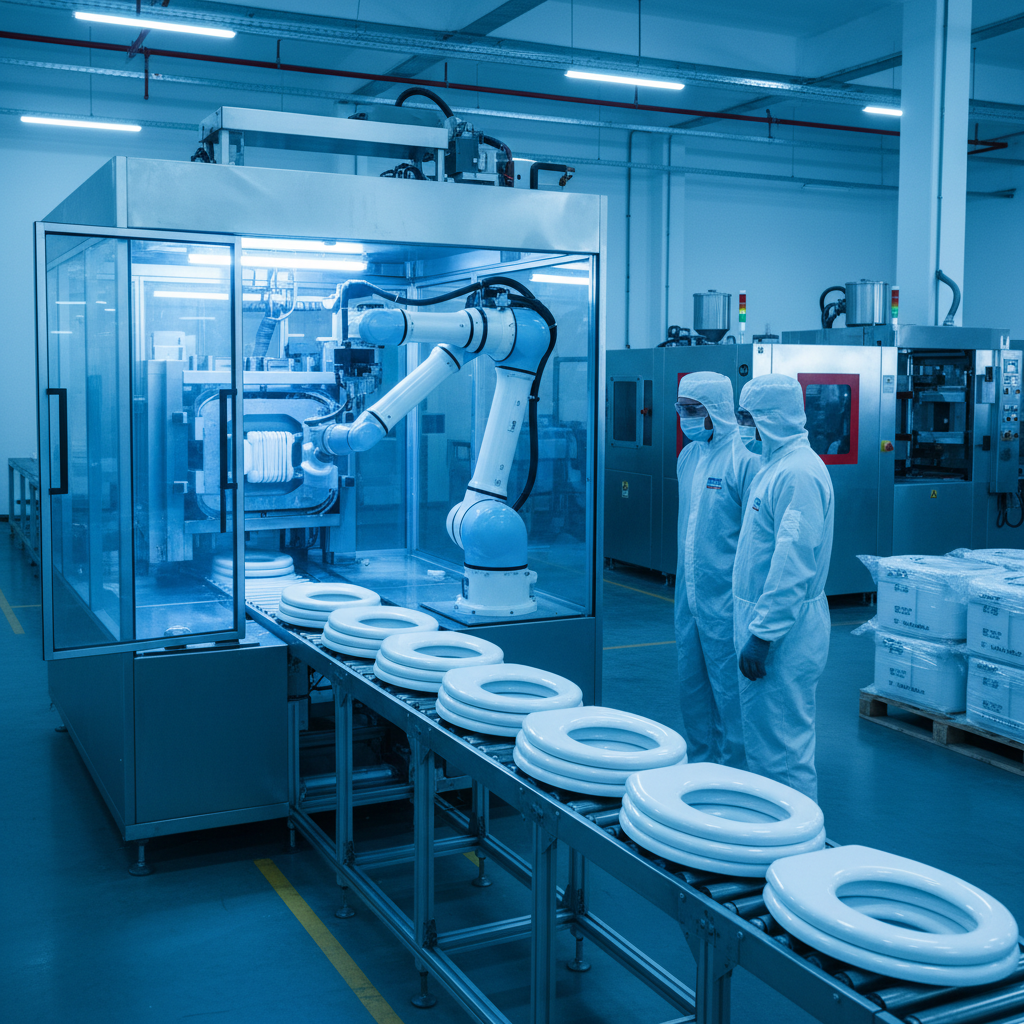
1. **Polypropylene (PP):** Known for its excellent impact strength, flexibility, and chemical resistance. PP seats are lightweight, durable, and resistant to cracking under stress. They are often injection-molded, allowing for consistent quality and intricate designs. Their non-porous surface makes them highly hygienic and easy to clean.
2. **Urea-Formaldehyde (UF):** Often referred to as "Duroplast," UF seats are characterized by their ceramic-like feel, exceptional hardness, and scratch resistance. They are heavier than PP, offering a more premium, solid feel. UF is also highly resistant to chemicals, UV light, and boasts a non-porous, hygienic surface. However, UF can be more brittle than PP under extreme, sharp impacts.
Both types of plastic benefit from consistent manufacturing processes, allowing for high uniformity in bulk orders – a significant advantage for B2B operations.
#### Wood Toilet Seats: The Timeless & Traditional Choice
Wood toilet seats typically fall into two categories:
1. **Moulded Wood (MDF - Medium-Density Fibreboard):** This is the most common form of "wood" toilet seat. MDF is engineered wood, made by breaking down hardwood or softwood residuals into wood fibres, combining them with wax and a resin binder, and forming panels by applying high temperature and pressure. MDF seats are heavy, offering a solid feel, and can be easily shaped and finished with various lacquers or veneers.
2. **Solid Wood/Veneer:** Less common due to cost and maintenance, but offers a truly natural aesthetic. These seats are made from solid wood planks or have a wood veneer applied over a core material.
The primary challenge with wood, even MDF, lies in its organic nature. Despite sealing and lacquering, wood remains susceptible to moisture absorption, which can lead to swelling, warping, cracking, or delamination over extended periods, particularly in humid bathroom environments.
### Rigorous Testing: Unveiling Durability Methodologies
At Jell Group, our commitment to quality is unwavering. We subject our toilet seats to a battery of stringent tests, often exceeding industry standards, to simulate real-world conditions and ensure long-term performance. These tests are crucial for verifying durability and providing reliable products to our global partners. Our adherence to international quality management systems, such as **ISO 9001**, ensures consistency in our testing protocols and manufacturing processes.
Key durability tests include:
1. **Impact Resistance Test:** Simulates accidental drops or heavy impacts. A weight is dropped from a specified height onto various points of the seat.
2. **Load Bearing Test:** Measures the seat's ability to withstand static weight without cracking or deforming. This often involves applying a specified weight (e.g., 150 kg) for an extended period.
3. **Hinge Cycle Test:** Evaluates the longevity and robustness of the hinges by repeatedly opening and closing the seat tens of thousands of times (e.g., 50,000 to 100,000 cycles).
4. **Scratch and Abrasion Resistance Test:** Assesses the surface's ability to resist scratches from daily use and cleaning.
5. **Water and Humidity Resistance Test:** Seats are exposed to high humidity and direct water contact to check for swelling, warping, or finish degradation.
6. **Chemical Resistance Test:** Evaluates how the material reacts to common bathroom cleaners and disinfectants.
7. **UV Resistance Test (for certain finishes):** Checks for color fading or material degradation under prolonged light exposure.
Independent certifications from bodies like **TÜV Rheinland** further validate our product quality and safety standards, offering an extra layer of assurance to our B2B clients.
### Plastic vs. Wood: The Durability Test Results Unpacked
Now, let's dissect how each material typically performs across these critical durability metrics.
#### 1. Impact Resistance
* **Plastic (PP):** Generally exhibits superior impact resistance. Its inherent flexibility allows it to absorb shocks without cracking easily. Jell Group's high-grade PP seats are engineered to withstand significant impacts, making them highly resilient.
* **Plastic (UF):** While extremely hard, UF can be more susceptible to sharp, concentrated impacts, potentially leading to chipping or cracking if the force exceeds its brittleness threshold. However, for everyday impacts, its hardness provides excellent resistance.
* **Wood (MDF/Solid Wood):** Can dent, chip, or even splinter upon impact. The finish can crack, exposing the underlying wood to moisture.
**Result:** High-grade Polypropylene generally wins for overall impact resilience, with Urea-Formaldehyde offering robust hardness but less flex. Wood is more prone to visible damage from impacts.
#### 2. Water and Humidity Resistance
* **Plastic (PP & UF):** Both are non-porous and inherently water-resistant. They do not absorb moisture, making them impervious to swelling, warping, or delamination, even in consistently humid bathroom environments. This also contributes to superior hygiene.
* **Wood (MDF/Solid Wood):** Despite protective lacquers and seals, wood is an organic material. Over time, moisture can penetrate the finish, leading to swelling, bubbling of the coating, warping, and eventually, structural degradation. This is particularly noticeable around hinges and edges where seals might be compromised.
**Result:** Plastic materials are overwhelmingly superior in water and humidity resistance, crucial for bathroom longevity.
#### 3. Scratch and Abrasion Resistance
* **Plastic (UF):** Excels in this category due to its high surface hardness, often outperforming many painted wooden surfaces. It resists scratches from daily use and cleaning very well.
* **Plastic (PP):** Good resistance, but can show minor scuffs or scratches over extended periods, especially with abrasive cleaning.
* **Wood (MDF/Solid Wood):** The lacquered or veneered surface can scratch relatively easily, especially with abrasive cleaners or rough handling, exposing the softer wood beneath and compromising its moisture barrier.
**Result:** Urea-Formaldehyde plastic offers the best scratch and abrasion resistance.
#### 4. Load Bearing & Hinge Durability
* **Seat Structure:** Both plastic and wood seats can be engineered to withstand significant static loads. Modern manufacturing techniques allow for robust designs in both materials.
* **Hinges:** This is often the critical point for longevity. High-quality stainless steel or robust plastic hinges, paired with reliable mounting systems, are paramount. Jell Group utilizes premium hinge mechanisms, rigorously tested for tens of thousands of cycles, ensuring they outlast the seat itself, regardless of material. The material of the seat itself plays a role in how well the hinge attachment points hold up over time. Plastic often provides more consistent and durable anchor points than wood, which can degrade or strip.
**Result:** Largely dependent on the quality of manufacturing and hinge design rather than the base material, though plastic can offer more stable attachment points over time.
#### 5. Chemical Resistance
* **Plastic (PP & UF):** Both types of plastic offer excellent resistance to most common household cleaning agents and disinfectants, without degrading the surface or color.
* **Wood (MDF/Solid Wood):** Harsh chemicals can strip or damage the lacquer finish, leading to discoloration or exposing the wood to moisture.
**Result:** Plastic seats are more resilient to a wider range of cleaning chemicals.
### Beyond Durability: Strategic Considerations for B2B Buyers
While durability is paramount, B2B buyers must also weigh other factors that impact profitability and customer satisfaction.
* **Hygiene:** Plastic's non-porous surface makes it inherently more hygienic, easier to clean, and less likely to harbor bacteria compared to wood, which can become porous if its finish is compromised. This is a significant selling point for end-users.
* **Aesthetics & Market Demand:** Wood offers a classic, warm aesthetic that appeals to a niche market desiring a traditional look. Plastic, however, offers greater versatility in color, finish (glossy, matte), and design, catering to a broader, more modern aesthetic.
* **Sustainability:** Jell Group is committed to responsible manufacturing. For wood products, sourcing from **FSC-certified** suppliers ensures sustainable forest management. For plastic, the focus is on efficient production, longevity, and exploring recyclable options where feasible.
* **Cost-Effectiveness & Supply Chain:** Plastic seats often offer a more attractive price point for mass production and bulk orders, allowing for better profit margins and competitive pricing. As a high-volume manufacturer, Jell Group provides reliable, consistent supply chains for both material types, ensuring timely delivery for your inventory needs.
### Conclusion: Making the Informed Choice with Jell Group
Based on extensive durability testing across various critical metrics, modern plastic toilet seats, particularly those made from high-grade polypropylene and urea-formaldehyde, generally offer superior long-term performance in terms of impact resistance, water impermeability, hygiene, and chemical resistance. While wood toilet seats maintain a timeless appeal and a solid feel, their susceptibility to moisture and potential for scratching or splintering can
📋 Related Case Study: Learn how a UAE distributor expanded across 6 Middle Eastern countries with Jell Group's wholesale partnership. Read the full case study →
📋 Related Case Study: See how a German Amazon seller grew to 5,000+ units/year with Jell Group's MDF toilet seats and EU warehouse support. Read the full case study →