Toilet Seat Shapes and Sizes: Navigating the D-Shape vs. Round vs. Elongated Debate
The humble toilet seat, often overlooked, plays a significant role in bathroom comfort and design. When it comes to selecting a new toilet seat, one of the most common points of confusion revolves around its shape and size. The three dominant contenders are the round toilet seat, the elongated seat, and the increasingly popular D-shape toilet seat, particularly favored in European markets. Understanding the distinctions between these shapes is not just a matter of aesthetics; it directly impacts user comfort, the ease of installation, and the overall harmony of your bathroom space. As a leading manufacturer of high-quality toilet seats, Jell Group, established in 2009, understands the nuances of these different designs and offers a comprehensive range to meet diverse global demands. This comprehensive guide will delve deep into the characteristics, advantages, and ideal applications of each shape, empowering you to make an informed decision for your B2B clients or end-users.
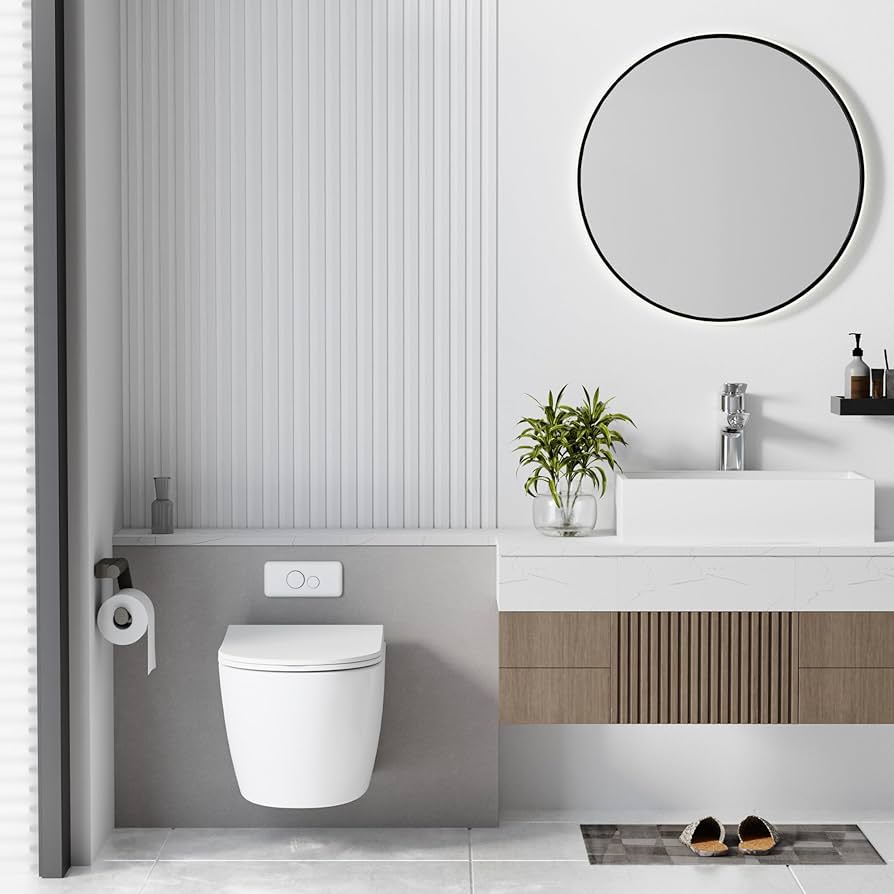
The Evolution of Toilet Seat Design
Historically, toilet bowls have evolved from simple squat designs to the more sophisticated pedestal and wall-hung models we see today. Consequently, toilet seat designs have also adapted to complement these changing forms. Early seats were often more basic, but as bathroom design became a focal point, manufacturers began offering a variety of shapes and sizes to cater to different toilet bowl contours and user preferences. The introduction of materials like durable and aesthetically pleasing MDF, innovative UF (Urea-Formaldehyde), and versatile PP (Polypropylene) by manufacturers like Jell Group has further expanded the possibilities in terms of design, functionality, and hygiene.
Understanding Toilet Seat Measurements: A Crucial First Step
Before diving into shape comparisons, it's vital to grasp how toilet seats are measured. Incorrect measurements are the most common reason for ill-fitting seats, leading to discomfort and a less-than-ideal look. The two primary measurements are:
- Mounting Hole Spacing: This is the distance between the center of the two bolt holes that attach the seat to the toilet bowl. For most standard toilets, this measurement is approximately 5.5 inches (14 cm).
- Seat Length: Measured from the center of the mounting holes to the front edge of the seat.
- Seat Width: Measured at the widest point of the seat.
Always measure your existing toilet bowl carefully. If you're specifying for a new project, consult the toilet bowl manufacturer's specifications. Jell Group's OEM/ODM services can also assist clients in determining the correct specifications for their target markets.
The Classic Contender: Round Toilet Seats
The round toilet seat is arguably the most traditional and widely recognized toilet seat shape. Its design is characterized by its curved, symmetrical form, mirroring the shape of many standard toilet bowls.
Characteristics of Round Toilet Seats:
- Shape: Symmetrical, with a generally circular appearance.
- Size: Typically shorter and more compact than elongated seats. The length from the mounting holes to the front edge is usually around 16.5 inches (42 cm).
- Compatibility: Designed to fit standard round-front toilet bowls.
Advantages of Round Toilet Seats:
- Space-Saving: Their compact nature makes them ideal for smaller bathrooms or powder rooms where space is at a premium. They tend to protrude less into the room.
- Cost-Effective: Generally, round toilet seats are often less expensive to manufacture, which can translate to lower retail prices.
- Ubiquity: They are found in a vast number of homes, making them a familiar and accessible choice.
- Aesthetics: Their classic, simple design complements traditional bathroom styles well.
Disadvantages of Round Toilet Seats:
- Comfort for Some Users: Taller individuals or those who prefer more legroom might find round seats less comfortable, as the front edge can feel restrictive.
- Hygiene Concerns: Some users perceive the open front of a round seat as less hygienic, although modern designs and materials mitigate this.
When to Choose a Round Toilet Seat:
A round toilet seat is the best choice for:
- Bathrooms with limited floor space.
- Homes with children, as the smaller size can be more manageable.
- Replacing an existing round toilet seat.
- Installations where budget is a primary consideration.
- Traditional or minimalist bathroom designs.
The Extended Comfort: Elongated Toilet Seats
The elongated toilet seat is a more modern design, characterized by its oval shape, offering greater surface area and perceived comfort.
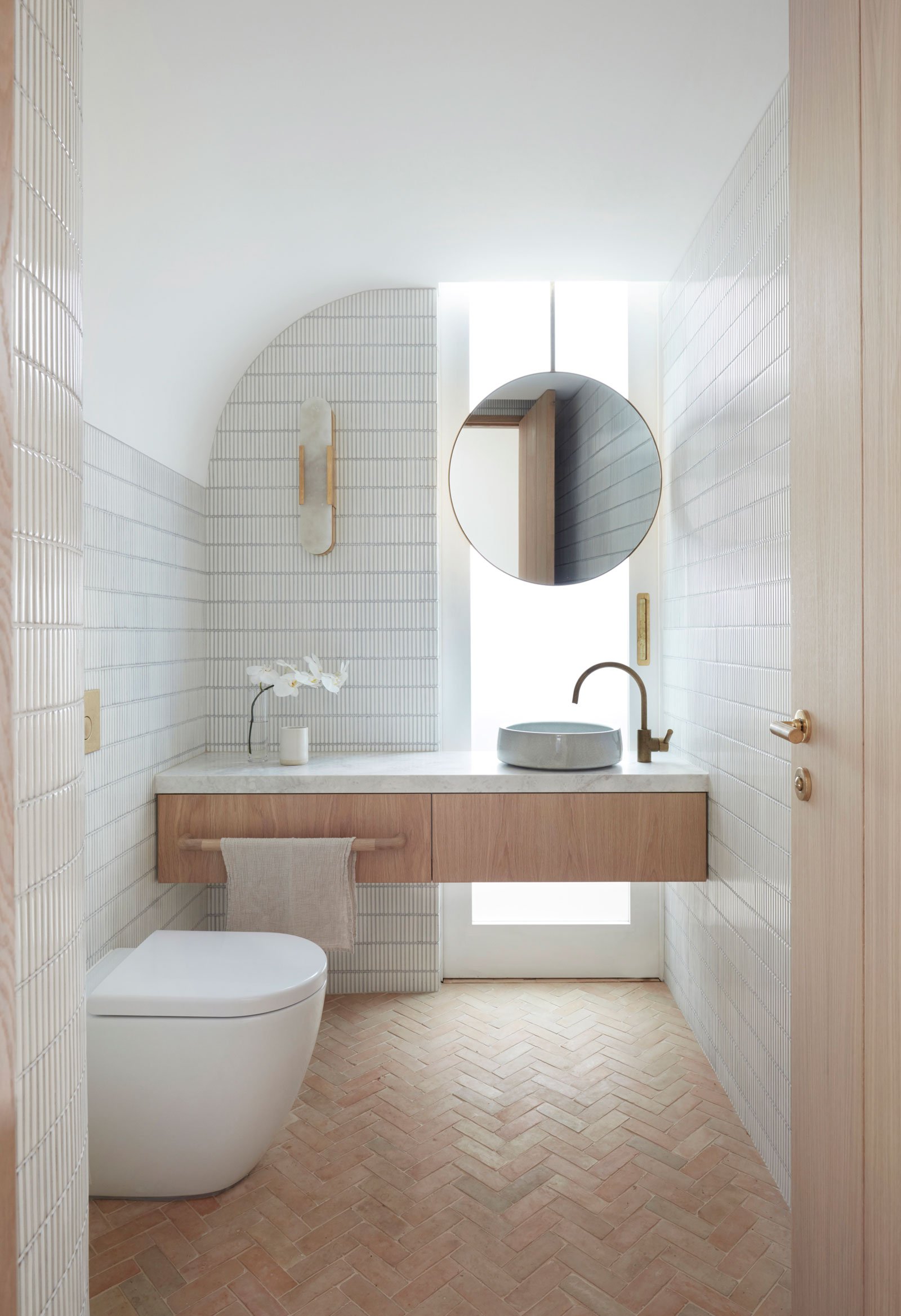
Characteristics of Elongated Toilet Seats:
- Shape: Oval, with a longer, more pronounced front.
- Size: Approximately 2 inches (5 cm) longer than round seats. The length from the mounting holes to the front edge is typically around 18.5 inches (47 cm).
- Compatibility: Designed to fit standard elongated toilet bowls, which are common in many North American and some European homes.
Advantages of Elongated Toilet Seats:
- Enhanced Comfort: The extended length provides more seating surface, offering greater comfort, especially for adults and taller individuals. It allows for more natural positioning.
- Perceived Hygiene: The design often incorporates a more enclosed front, which some users find more hygienic.
- Modern Aesthetic: Elongated seats are often associated with more contemporary bathroom designs.
- Accessibility: The increased surface area can also be beneficial for individuals with mobility issues, providing a more stable and comfortable seating experience.
Disadvantages of Elongated Toilet Seats:
- Space Requirement: They require more floor space and may not be suitable for very small bathrooms.
- Potential for Higher Cost: Manufacturing can sometimes be slightly more complex, potentially leading to a higher price point.
When to Choose an Elongated Toilet Seat:
An elongated toilet seat is ideal for:
- Main bathrooms or master ensuites where comfort is prioritized.
- Homes with predominantly adult users or taller individuals.
- Replacing an existing elongated toilet seat.
- Modern or transitional bathroom designs.
- Situations where accessibility and enhanced comfort are key considerations.
The European Favorite: D-Shape Toilet Seats
The D-shape toilet seat has gained significant traction, particularly in the European market, for its unique blend of style and functionality. It offers a distinct aesthetic that bridges the gap between round and elongated forms.
Characteristics of D-Shape Toilet Seats:
- Shape: Resembles the letter 'D'. It features a straight front edge with rounded corners, connecting to a curved back that fits around the toilet bowl.
- Size: Often comparable in length to elongated seats but with a more streamlined front. The specific dimensions can vary, but they are designed to fit specific bowl shapes common in European designs.
- Compatibility: Primarily designed for D-shaped or modern, streamlined toilet bowls. These are increasingly common in new European builds and renovations.
Advantages of D-Shape Toilet Seats:
- Modern Aesthetics: The sleek, contemporary design is a major draw, fitting seamlessly into modern and minimalist bathroom décor. The European style toilet seat often incorporates this design.
- Optimized Space Utilization: While offering good seating comfort, the straighter front can sometimes feel less intrusive in the room compared to a fully round seat, especially when the toilet is close to the door or vanity.
- Ease of Cleaning: The smooth lines and often integrated hinges of D-shape seats can make them easier to clean and maintain.
- User Comfort: Provides a comfortable seating experience, often perceived as more supportive than a traditional round seat due to the straighter front.
- Growing Popularity: Its prevalence in new European designs means it's becoming a standard, making it a smart choice for markets influenced by European trends.
Disadvantages of D-Shape Toilet Seats:
- Specific Bowl Compatibility: Requires specific D-shaped or compatible toilet bowls. They are not interchangeable with standard round or elongated bowls.
- Availability: While growing, the selection might be less extensive than for round or elongated seats in some regions outside of Europe.
When to Choose a D-Shape Toilet Seat:
A D-shape toilet seat is an excellent choice for:
- Modern, minimalist, or Scandinavian-inspired bathrooms.
- New constructions or renovations featuring contemporary toilet designs, especially those influenced by European trends.
- Users who appreciate a sleek, uncluttered aesthetic.
- Situations where a balance between comfort and space efficiency is desired.
Jell Group: Your Trusted Partner for Quality Toilet Seats
At Jell Group, we pride ourselves on being a leading manufacturer of high-quality toilet seats, serving global markets since 2009. Our expertise spans the production of MDF, UF, and PP toilet seats, catering to all major shapes and sizes, including round, elongated, and the increasingly popular D-shape toilet seat. We understand the importance of precision, durability, and aesthetic appeal in the bathroom fixtures industry. Our commitment to quality is underscored by our various certifications, including FSC, BSCI, TUV, CARB, and CE, ensuring that our products meet stringent international standards. Furthermore, our strategic EU warehouses in Germany and Poland allow us to provide efficient logistics and timely delivery to our European partners. Whether you require standard products or customized solutions through our OEM/ODM services, Jell Group is equipped to meet your needs with reliability and excellence.
Material Matters: MDF, UF, and PP
The choice of material significantly impacts the look, feel, and longevity of a toilet seat. Jell Group works with the most popular and effective materials:
- MDF (Medium-Density Fiberboard): Known for its smooth surface, excellent paint adhesion, and a premium feel. MDF seats are often chosen for their aesthetic versatility, allowing for a wide range of finishes and colors. They are durable but should be kept away from excessive moisture.
- UF (Urea-Formaldehyde): A thermosetting plastic that is exceptionally hard, scratch-resistant, and non-porous. UF seats are highly durable, hygienic, and resistant to staining and fading. They offer a sleek, modern appearance.
- PP (Polypropylene): A versatile and lightweight plastic that is impact-resistant and cost-effective. PP seats are often used for more budget-friendly options and are known for their ease of cleaning and durability against everyday use.
Each material offers distinct advantages, and Jell Group can advise on the best option for specific market requirements and price points.
Comparing the Shapes: A Quick Reference Table
To summarize the key differences, here’s a comparative table:
| Feature | Round Toilet Seat | Elongated Toilet Seat | D-Shape Toilet Seat |
|---|---|---|---|
| Shape | Symmetrical, circular | Oval, longer | 'D' shape, straight front, rounded corners |
| Typical Length (from mounting holes) | ~16.5 inches (42 cm) | ~18.5 inches (47 cm) | Similar to elongated, varies |
| Best For | Small bathrooms, children, budget-conscious | Adults, comfort seekers, larger bathrooms | Modern bathrooms, European style, space efficiency |
| Common Compatibility | Standard round-front bowls | Standard elongated bowls | Specific D-shaped or modern bowls |
| Aesthetic | Classic, traditional | Modern, spacious | Sleek, contemporary, European |
Factors to Consider When Choosing: Beyond Shape
While shape is a primary consideration, several other factors are crucial when selecting or manufacturing toilet seats:
- Hinge Type: Soft-close hinges are a popular feature, preventing slamming and reducing noise. Quick-release hinges simplify cleaning. Jell Group offers various hinge options.
- Color and Finish: From classic white to bold colors and wood-effect finishes, the aesthetic possibilities are vast.
- Durability and Material Quality: Ensuring the seat withstands regular use and maintains its appearance is paramount. Certifications like TUV and CARB are indicators of quality.
- Ease of Installation: Simple and clear installation instructions enhance user satisfaction.
- User Demographics: Consider the primary users – children, adults, elderly, or those with specific accessibility needs.
- Bathroom Size and Layout: As discussed, the physical space available is a key determinant.
The Growing Influence of European Design
European bathroom design often emphasizes clean lines, minimalist aesthetics, and efficient use of space. The European style toilet seat, particularly the D-shape toilet seat, embodies these principles. Its streamlined form and modern appeal have made it a popular choice for new builds and renovations across the continent and increasingly in other global markets adopting similar design trends. Jell Group is at the forefront of supplying these contemporary designs, ensuring our partners have access to the latest trends.
Conclusion: The Perfect Fit for Every Need
Selecting the right toilet seat shape – whether round toilet seat, elongated, or D-shape toilet seat – is a decision that balances comfort, functionality, and design. Understanding the specific dimensions and characteristics of each type, along with the materials and features offered, is key to making an informed choice. Jell Group, with its extensive experience, diverse product range, and commitment to quality, stands ready to be your reliable manufacturing partner. We offer a comprehensive product range designed to meet the demands of various markets, backed by rigorous certifications and efficient logistics. For tailored solutions and expert advice, contact us today to discuss your specific requirements.
Frequently Asked Questions (FAQ)
Q1: How do I know if I need a round or elongated toilet seat?
The easiest way to determine this is to measure your current toilet bowl. Measure the distance from the center of the bolt holes to the front edge of the bowl. If it's approximately 16.5 inches (42 cm), you likely have a round toilet. If it's around 18.5 inches (47 cm), you likely have an elongated toilet. Visually, round bowls are more circular, while elongated bowls are more oval-shaped.
Q2: Are D-shape toilet seats only for European toilets?
While D-shape toilet seats are particularly popular in Europe and designed to fit many modern European toilet bowl designs, their use is not exclusive to the continent. As contemporary bathroom styles gain global popularity, D-shaped bowls and seats are becoming more common in other regions as well. The key is to match the D-shape seat to a compatible D-shaped or similarly contoured toilet bowl.
Q3: Can I replace a round toilet seat with an elongated one, or vice versa?
Generally, no. Toilet seats are designed to fit specific toilet bowl shapes. A round seat will not fit properly on an elongated bowl, and an elongated seat will overhang or not fit correctly on a round bowl. The mounting hole spacing is usually the same (around 5.5 inches), but the overall length and shape are critical for a proper fit. Always ensure you purchase a seat that matches the shape of your existing toilet bowl.
Q4: What are the benefits of soft-close toilet seats?
Soft-close toilet seats feature a mechanism that allows the seat and lid to close slowly and silently, preventing them from slamming shut. This offers several benefits: it reduces noise, prevents potential damage to the seat or toilet bowl from impact, enhances safety by eliminating the risk of pinched fingers, and adds a touch of luxury and comfort to the bathroom experience. Jell Group offers a variety of models equipped with this popular feature.
blog.relatedArticles
Wheelchair Accessible Toilet Seats: ADA Compliant Options for Disabled Users
Discover essential ADA compliant toilet seat options for disabled users and wheelchair accessibility. Learn about features, materials, and how Jell Group provides high-quality, durable solutions for enhanced bathroom safety and independence.
Carbon Footprint of Toilet Seat Manufacturing: MDF vs. UF vs. PP
Understanding the environmental impact of toilet seat production is crucial for B2B buyers. This article delves into the carbon footprint of MDF, UF, and PP toilet seats, offering a comprehensive comparison to help you make sustainable sourcing decisions for your business.
Antimicrobial Toilet Seat Coatings: Silver Ion Technology for Healthcare
Discover how advanced antimicrobial toilet seat coatings, particularly those utilizing silver ion technology, are revolutionizing hygiene standards in healthcare settings. Learn about their benefits, efficacy, and why they are essential for infection control.

Luxury Bathroom Design Trends: Premium Toilet Seats for High-End Projects
Explore the latest luxury bathroom design trends and discover how premium toilet seats are becoming essential elements for high-end projects. Learn about smart features, sustainable materials, and bespoke designs that elevate the modern bathroom experience for discerning clients and B2B buyers.
Industry Case Studies
Jennifer M. — American Bath Essentials Inc.
The US market requires CARB2 (California Air Resources Board) compliance for MDF products, specific UPC barcoding, and EPA-compliant packaging. Home Depot's vendor requirements are among the strictest in US retail.
Jan K. — Łazienka Plus Sp. z o.o.
Competing in Allegro's highly price-sensitive bathroom category required a supplier who could deliver quality products at competitive FOB prices, with local warehousing to enable same-day dispatch. Previous suppliers couldn't match the price-quality balance needed.
Pierre D. — Maison & Confort SARL
The French market demands elegant design and premium presentation. Finding a manufacturer who could produce artistic printed MDF toilet seats with French-language packaging and competitive pricing for marketplace selling.